
2026 U.S. Summer Shatters 132-Year Heat Record, Driven by Unusually Warm Nights
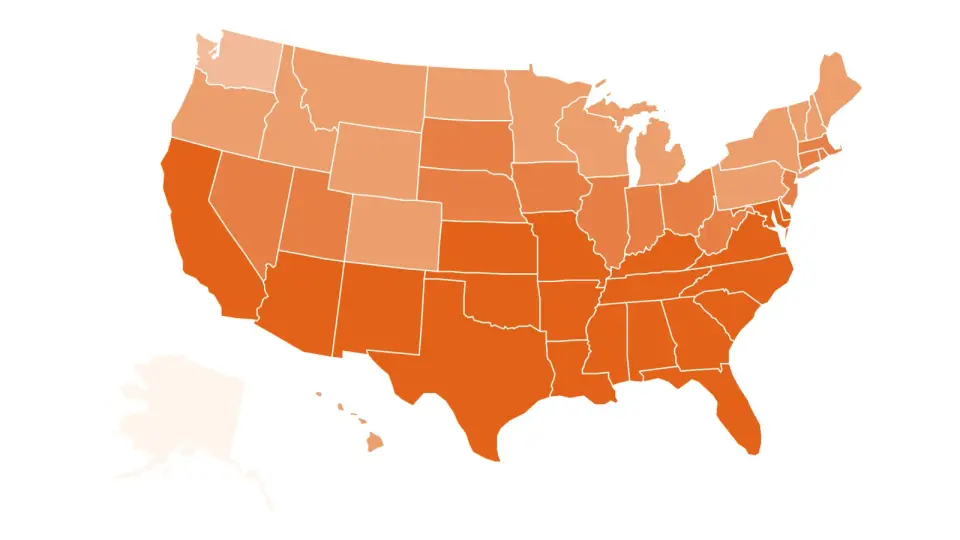
NOAA confirmed that the 2026 summer was the warmest on record for the contiguous United States, with an average temperature of 74.4°F. The record was driven by unusually high nighttime temperatures, surpassing the 1936 Dust Bowl era by 0.4°F. Drought affected nearly 60% of the country, and a strengthening El Niño is expected to intensify extreme weather into 2027.
Key points
- NOAA reported the June-August 2026 average temperature was 74.4°F, 3.0°F above the 20th-century average and 0.4°F hotter than the previous records set in 1936 and 2021.
- The record was primarily driven by unusually warm nighttime minimum temperatures, which spanned most of the continental U.S., rather than just daytime highs.
- Four states—Colorado, Utah, Arizona, and New Mexico—broke their own summer temperature records, coinciding with record-low water levels in Lake Mead and Lake Powell.
- By September 1, approximately 59% of the contiguous U.S. was experiencing drought, with Texas and Oklahoma receiving less than 30% of their usual August rainfall.
- A strengthening El Niño, potentially the most intense in decades, is expected to peak between October and December 2026 and persist into early 2027, potentially driving further record heat.
Background
This record follows a 2026 July that was already confirmed as the hottest month on record since 1895. Earlier coverage noted that all 48 contiguous states posted above-average temperatures in July, with overnight lows playing a significant role. The current El Niño development, forecast to reach 'super' strength, was identified in August 2026 as a major driver for continued extreme weather patterns.
How outlets are covering it
While all sources agree on the record-breaking nature of the summer, they emphasize different drivers. The Washington Post highlights the role of warm nights, particularly in the West, as the primary factor. France 24 and Al Jazeera emphasize the link to human-caused climate change and fossil fuel emissions, with France 24 noting that the 2026 record was driven by warm overnight lows due to increased atmospheric moisture, unlike the 1936 record which was driven by daytime highs. Al Jazeera focuses on the concurrent drought and the potential for the current El Niño to push 2026 past 2024 as the hottest year on record. USA Today provides a state-by-state analysis, noting that while only a few states broke their own records, every state in the lower 48 was hotter than its historic average.
Why it matters
The record underscores the accelerating trend of extreme heat in the U.S., with four of the five hottest summers occurring in the past five years. The combination of high temperatures and drought strains water resources, energy infrastructure, and public health systems. The strengthening El Niño signals that these extreme conditions may persist or worsen into 2027, increasing the risk of wildfires and further climate-related disruptions.
What to watch
NOAA expects a warmer-than-usual September across much of the U.S., with drought persisting or worsening in several regions. The El Niño is predicted to peak between October and December 2026, potentially bringing more extreme heat, drought, and flooding globally. Scientists warn that without significant reductions in carbon emissions, such record-breaking summers will become increasingly common.
- Hottest summer ever? US breaks longstanding record usatoday.com
- The U.S. just saw its warmest summer on record. See where extreme heat dominated. The Washington Post
- US records hottest summer in 132 years aljazeera.com
- 'Alarm bells ringing': US summer heat shatters record France 24
- The US just had its hottest summer on record, beating the Dust Bowl era CNN
Want the full story? Read the original reporting
Read on usatoday.com