
Record El Niño Drives Massive Kelvin Wave Toward California Coast
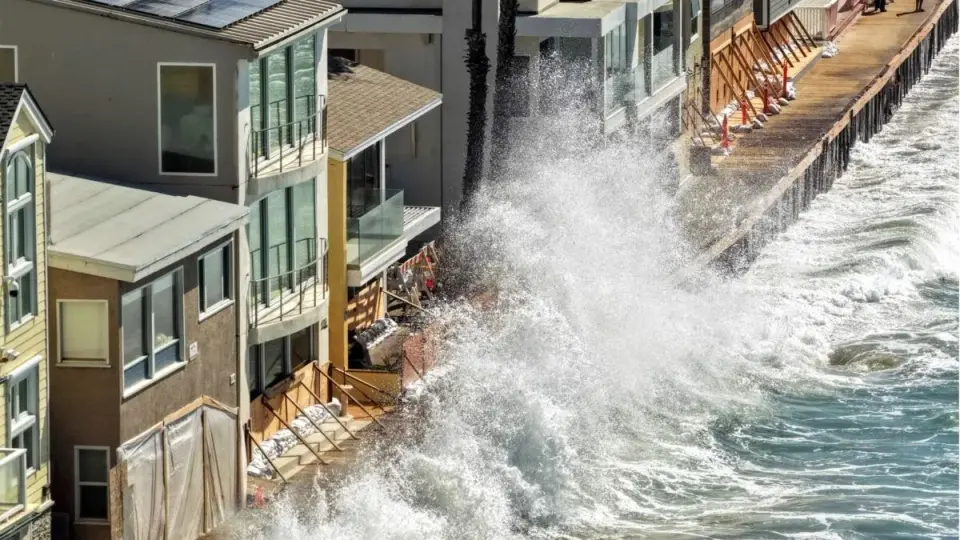
A planetary-scale Kelvin wave, triggered by a record-breaking El Niño, is approaching California. This slow-moving pulse of warm water is expected to raise sea levels by up to a foot, compounding existing marine heatwaves and erosion risks. Governor Gavin Newsom has declared a state of emergency to prepare for potential flooding and storm surges through winter 2027.
Key points
- El Niño conditions have weakened equatorial trade winds, releasing a massive pulse of warm water from the western Pacific.
- The Kelvin wave travels east along the equator before turning north along the North American coast, reaching California in early October.
- The influx of warm water causes thermal expansion, potentially raising local sea levels by 6 to 12 inches.
- California’s governor declared a state of emergency on September 21, mobilizing resources for coastal defense and flood preparedness.
- The elevated sea levels are expected to persist through winter 2026 and into spring 2027, coinciding with high tides and potential storms.
Background
Our archive from September 2026 noted that this Kelvin wave was first forecast to raise California’s sea levels by approximately 6 inches, with arrival expected in late September or early October. Recent updates confirm the wave is progressing as predicted, with the current El Niño event described as the strongest in over a millennium.
How outlets are covering it
Gizmodo emphasizes the temporary nature of the Kelvin wave but highlights how it exacerbates long-term climate change impacts, such as land subsidence and marine heatwaves. The Guardian focuses on the planetary scale of the wave and the compounding risks of storm surges during high tides, noting that past El Niño winters suggest potential for unprecedented damage. The Weather Network provides a technical explanation of the wave’s mechanics, noting that while the phenomenon is natural, the current intensity and speed may exceed historical records. All sources agree on the imminent threat but differ in emphasis: Gizmodo links it to broader climate trends, The Guardian highlights immediate storm risks, and The Weather Network focuses on the physical mechanics of the wave.
Why it matters
The arrival of this Kelvin wave threatens to significantly increase coastal flooding and erosion in California. Combined with record-breaking El Niño conditions, it could lead to historic sea levels and severe weather impacts, necessitating immediate emergency preparedness and long-term adaptation strategies for coastal communities.
What to watch
Monitor sea level data in early October to confirm the Kelvin wave’s arrival. Watch for updates on storm activity and high tide events in November and December, which could compound the elevated sea levels. Follow state and local emergency management updates for any additional preparedness measures or warnings.
- El Niño’s Dreaded ‘Kelvin Wave’ Is About to Hit California Gizmodo
- Concern mounts over slow-moving, planetary-scale ‘Kelvin’ wave heading for California The Guardian
- See How El Niño Is Washing Ashore in California The New York Times
- What are Kelvin waves, and could they reach San Diego? fox5sandiego.com
- What is a 'planetary-scale Kelvin wave', and why is California worried? The Weather Network
Want the full story? Read the original reporting
Read on Gizmodo