
Florida’s Property Tax Cuts Force Local Budgets to Seek State Aid
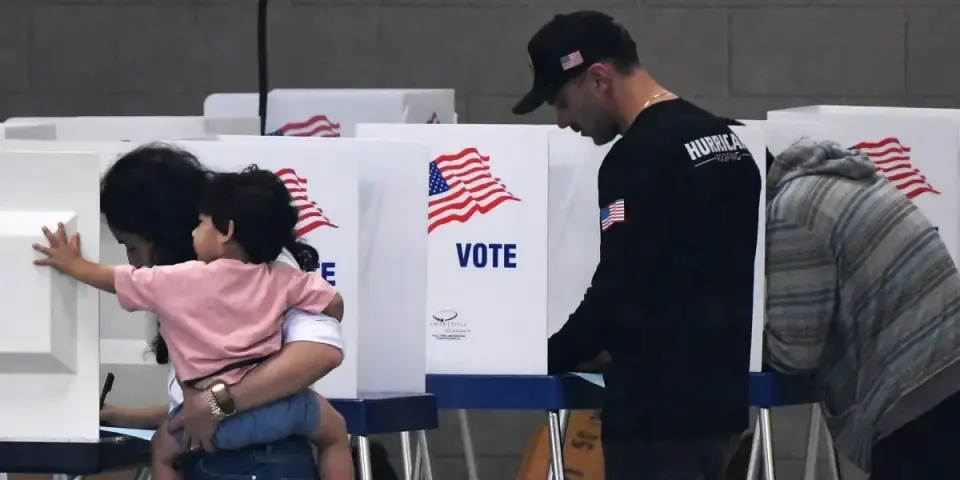
Florida voters approved Amendment 3, which raises the homestead tax exemption to $250,000 by 2028. While this lowers bills for homeowners, it threatens to drain local government revenue by billions, forcing cities to cut services or seek state funding.
Key points
- Amendment 3 passed with 62% support, increasing the non-school homestead exemption to $150,000 in 2027 and $250,000 in 2028.
- Florida TaxWatch estimates the measure will reduce local revenue by $4.9 billion in the first year and $45.8 billion over five years.
- Sanford, Florida, expects an $18% budget shortfall, prompting officials to consider fire fees and cutting arts spending.
- New residents arriving after December 31, 2026, face a five-year wait for the full exemption, a provision some officials deem potentially unconstitutional.
- Governor-elect Byron Donalds plans further property tax reforms, while critics warn the shift will increase local dependence on state funding.
Background
Our earlier coverage noted that Amendment 3 required a 60% supermajority to pass, a threshold it cleared easily. Previous reports highlighted the tension between homeowner savings and the potential collapse of local services like police and infrastructure due to the massive revenue loss.
How outlets are covering it
Fortune highlights the immediate budget crises in cities like Sanford, where officials are debating unpopular fire fees. Newsweek focuses on the political implications for Governor-elect Byron Donalds, noting that while he supports the cuts, experts fear he will face backlash if services degrade. The Tampa Bay Times offers a more critical view, arguing the amendment is 'draconian' and will eliminate funding for arts and libraries, suggesting a future amendment is needed to restore local control. Gulf Coast News emphasizes the residency deadline, warning that new movers must establish residency by December 31 to avoid a five-year wait for benefits, a rule Lee County officials question on constitutional grounds.
Why it matters
The amendment fundamentally shifts the financial burden from property owners to local governments and potentially the state. If local budgets collapse, essential services may be cut, or residents may face higher fees elsewhere. The outcome will test the political resilience of the incoming administration and determine whether Florida’s tax structure becomes more centralized or fragmented.
What to watch
The amendment takes effect on January 1, 2027, with tax notices reflecting the changes in August 2027. Governor-elect Donalds is expected to propose further reforms through the Florida Taxation and Budget Reform Commission next year. Local governments will likely vote on new fees or service cuts in the coming months to address projected shortfalls.
- After Florida voted to slash property taxes, towns looking to fill budget holes may end up relying on the state: ‘The bailout comes with a leash’ Fortune
- Will Florida need a new amendment to counteract Amendment 3? | Letters Tampa Bay Times
- How Byron Donalds Plans to Upend Florida’s Property Tax System Newsweek
- New Florida residents have until Dec. 31 to avoid 5-year wait for bigger homestead exemption Gulf Coast News and Weather
- Amendment 3: Is Tallahassee ready to cut costs? | Opinion Tallahassee Democrat
Want the full story? Read the original reporting
Read on Fortune