
Energy Secretary Wright Predicts Post-Labor Day Gas Price Drops Amid Record Highs
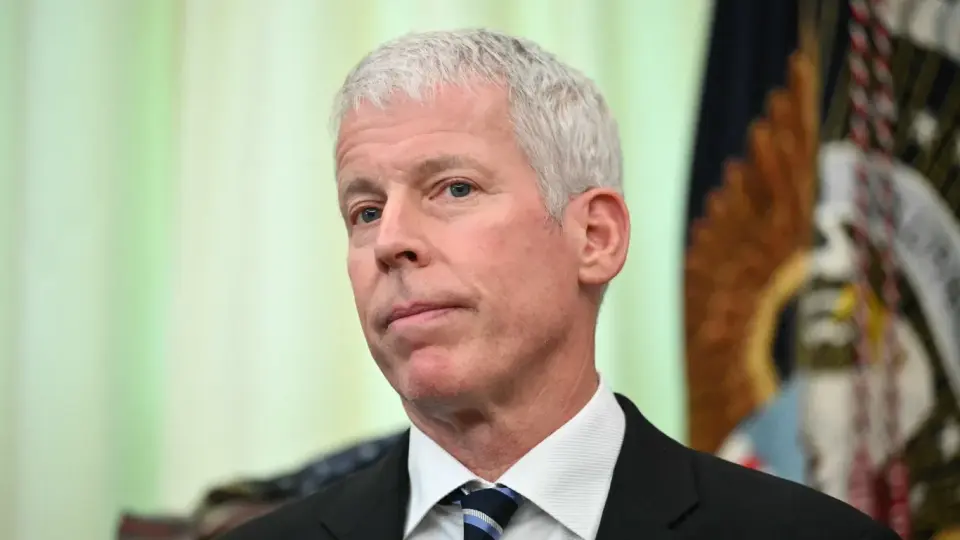
Energy Secretary Chris Wright stated that U.S. gasoline prices are likely to decline following Labor Day, citing seasonal demand drops and increased production. This outlook contrasts with current record-high pump prices and elevated diesel costs, which are driving inflation and consumer concern.
Key points
- Chris Wright appeared on multiple Sunday news programs to argue that gasoline prices will likely fall after Labor Day.
- Wright cited the end of the summer driving season, which typically reduces demand, and recent administrative moves to ease environmental requirements for summer fuel blends.
- U.S. regular gasoline prices averaged $4.15 per gallon on Sunday, according to AAA data, marking a record high for the period.
- Wright noted that gasoline futures contracts are declining, suggesting market expectations for lower prices, though he acknowledged futures are volatile indicators.
- Diesel prices remain at all-time highs, impacting broader economic costs, while crude oil prices hit a six-week high above $96 per barrel.
- Recent geopolitical tensions and hostilities have driven crude oil prices higher, potentially offsetting seasonal demand drops.
Background
Gas prices have remained above $4 per gallon for several months, contributing to elevated inflation and reduced consumer confidence. Previous coverage noted that August averages were around $4.07 per gallon, with diesel costs climbing and airfare rising by approximately 20% compared to the previous year. These high energy costs have influenced consumer sentiment and midterm political dynamics, with the Conference Board’s consumer confidence index slipping in August due to persistent price pressures.
How outlets are covering it
Axios frames Wright’s comments as a reasoned expectation based on seasonal trends and market futures, highlighting his confidence in downward price movement. The Daily Beast, however, characterizes Wright’s stance as a 'cop-out,' criticizing him for refusing to take a definitive stance on record-high prices and instead deflecting responsibility. While Axios emphasizes the technical factors of supply and demand, The Daily Beast focuses on the political perception of Wright’s reluctance to address the immediate consumer pain caused by the price spike.
Why it matters
Gasoline prices directly impact consumer spending, inflation rates, and political sentiment. A decline in prices could ease pressure on households and businesses, potentially stabilizing consumer confidence. Conversely, if prices remain high due to geopolitical tensions, it could exacerbate inflation and influence upcoming elections. The interplay between seasonal demand and global supply shocks remains a critical factor for economic stability.
What to watch
Analysts will monitor whether gasoline prices actually decline after Labor Day as predicted by Wright. Crude oil prices may see further jumps if geopolitical conflicts escalate, potentially offsetting seasonal demand drops. The administration’s environmental policy adjustments for fuel blends will also be watched for their impact on supply and retail prices in the coming months.
- Trump's energy boss wavers on gasoline price path Axios
- Energy secretary: ‘I don’t want to have an opinion’ on rising gas prices thehill.com
- Trump Goon Offers Stunning Cop-Out on Pain at the Pump The Daily Beast
- Transcript: Energy Secretary Chris Wright on "Face the Nation with Margaret Brennan," Sept. 6, 2026 CBS News
- Gas prices set a record for Labor Day. Trump's energy secretary says they are 'more likely to go down than go up.' Yahoo
Want the full story? Read the original reporting
Read on Axios