
Analysts note limited scope of U.S.-Canada tariff impact despite escalating rhetoric
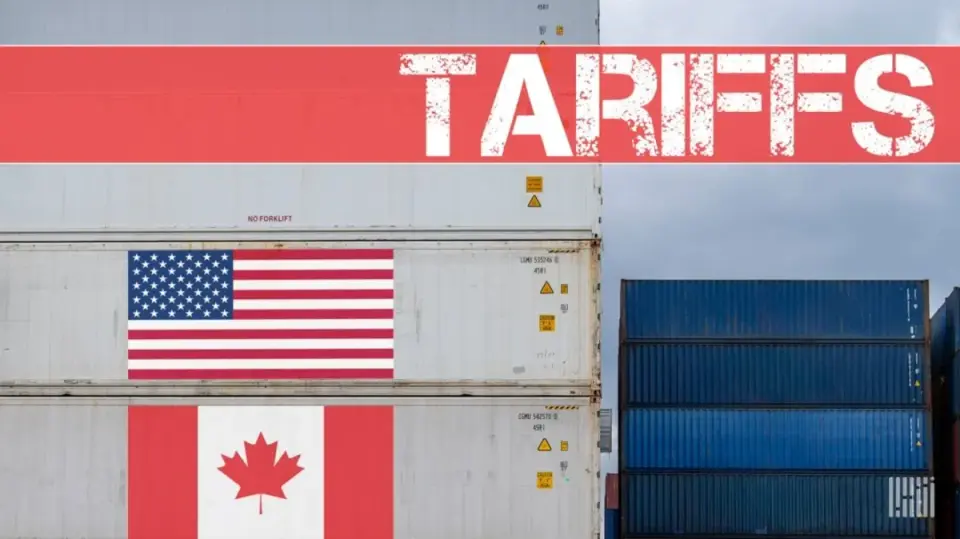
The U.S.-Canada trade dispute has intensified with new import bans and retaliatory tariffs, but experts argue the affected goods represent a small fraction of total bilateral trade. While consumer prices may rise for specific items like dairy and alcohol, the overall economic impact remains limited compared to the volume of total trade. Public opinion diverges sharply, with Canadians largely supporting retaliation against perceived sovereignty threats, while Americans oppose the measures.
Key points
- Canadian retaliatory tariffs on approximately $20 billion of U.S. goods took effect, mirroring U.S. 50% tariffs on similar Canadian imports.
- The U.S. will ban imports of certain dairy, motorcycles, and alcoholic beverages from Canada starting September 29.
- Affected goods constitute roughly 5% of Canadian exports to the U.S. and 6% of U.S. exports to Canada, according to experts.
- Canadian public support for retaliatory tariffs exceeds 70%, driven by perceptions of strength and sovereignty, while nearly 60% of Americans oppose the tariffs.
- Analysts warn that escalating rhetoric, including sovereignty-related insults, may damage long-term business relations despite limited immediate economic damage.
Background
This dispute follows stalled negotiations in August 2026, where the U.S. imposed 50% tariffs on $20 billion of Canadian goods. Canada responded with reciprocal duties, and tensions escalated with U.S. import bans on specific sectors. Previous coverage highlighted the legal basis under Section 338 of the Tariff Act and the broader political friction, including controversial remarks about Canadian sovereignty.
How outlets are covering it
Time Magazine emphasizes the consumer impact and divergent public opinion, noting that while tariffs hurt both sides, Canadians are more willing to endure costs due to perceived sovereignty threats. The Yahoo Finance source, though largely an error page, hints at market volatility, with stocks like Oracle and Adobe showing declines, possibly reflecting broader economic uncertainty. Experts cited in Time Magazine, such as Kimberly Clausing, argue that the current trade volume affected is small, but the rhetoric risks spiraling into a larger conflict. The contrast in public support—70% Canadian approval versus 60% American opposition—highlights the different political and economic stakes for each nation.
Why it matters
The U.S.-Canada trade war, while currently limited in scope, signals a potential escalation in North American trade relations. Rising consumer prices for specific goods and deteriorating diplomatic ties could have long-term economic and political consequences. The divergence in public opinion underscores the complexity of resolving the dispute, as both nations face internal pressures to maintain their positions despite the mutual economic costs.
What to watch
The U.S. import bans on Canadian dairy, motorcycles, and alcohol take effect on September 29, potentially triggering further retaliatory measures from Canada. Analysts predict that without a clear off-ramp, the dispute may escalate to affect more industries, though the immediate economic impact remains limited. Ongoing diplomatic efforts or further escalatory actions will determine whether the conflict stabilizes or widens.
- Canada trade fight not so broad for key imports: Analyst Yahoo Finance
- From pony fur to bamboo furniture, Trump’s trade war with Canada is getting even weirder CNN
- Carney says he spoke recently to Trump about Iran, Ukraine Reuters
- US banning dairy products, most alcohol and motorcycles from Canada in growing trade war AP News
- What the U.S. and Canada’s Trade War Could Mean for Prices Time Magazine
Want the full story? Read the original reporting
Read on Yahoo Finance