
Colorado River cuts threaten Arizona’s winter greens and tribal water rights
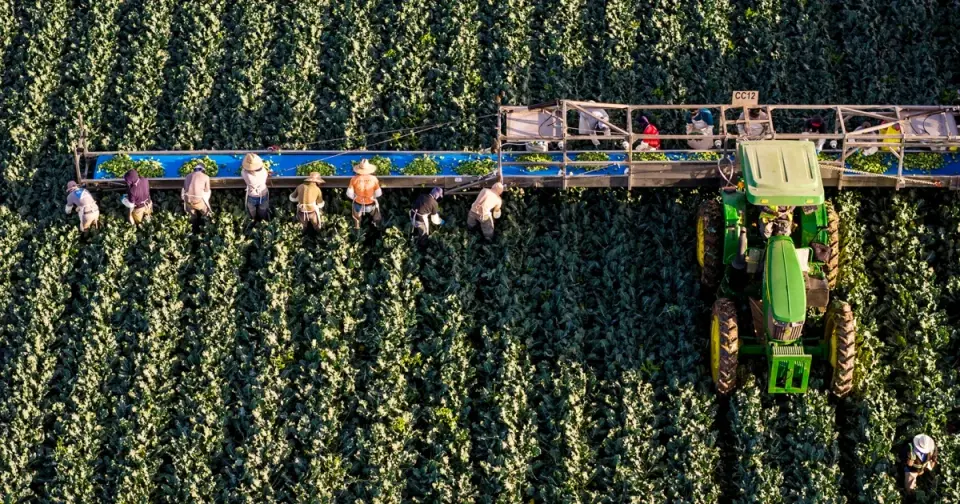
The Bureau of Reclamation has imposed mandatory two-year water cuts on Arizona, California, and Nevada, with Arizona facing the largest reduction of approximately 30% of its supply. These cuts, effective in 2027 and 2028, threaten Yuma County’s status as the source of 90% of the nation’s winter leafy greens. While senior water rights may protect some farms initially, the broader crisis risks disrupting national food supplies and exacerbating water shortages for tribal nations and urban areas.
Key points
- Arizona faces a 30% cut in Colorado River water for 2027-2028, the largest reduction among the three Lower Basin states.
- Yuma County, which supplies 90% of US winter leafy greens, relies on the river; cuts could disrupt national food security.
- Lake Mead and Lake Powell are at record lows (27% and 22% capacity, respectively), threatening hydroelectric power generation.
- Nevada has sued the federal government to block the cuts, arguing it faces a 70% reduction while Upper Basin states face none.
- Tribal nations face varied impacts; some lack quantified rights or infrastructure to access allocated water, creating a gap between legal rights and physical supply.
Background
Previous coverage noted that the federal government proposed a flexible plan to curb water use by up to 3 million acre-feet annually through 2036. Arizona had been preparing for potential cuts of up to 40% by diversifying water sources, including groundwater and the Salt River. The current mandatory plan is a response to the failure of the seven basin states to reach a long-term agreement amid a 26-year megadrought.
How outlets are covering it
NBC News emphasizes the national food security implications, noting that Yuma County’s 180,000 acres feed North America during winter. High Country News highlights the inequity for tribal nations, pointing out that the 1922 Compact excluded indigenous voices and that many tribes lack the infrastructure to use their legal water rights. CNN focuses on the legal challenge, noting Nevada’s lawsuit against the Trump administration over the steep cuts. All sources agree on the severity of the drought but differ on the primary victim: NBC focuses on agriculture, High Country News on tribal sovereignty, and CNN on inter-state legal conflict.
Why it matters
The cuts signal a shift from voluntary conservation to mandatory federal enforcement, impacting 40 million people who rely on the river for drinking water. The potential loss of winter greens could lead to price spikes and supply shortages nationwide. Furthermore, the legal battles and infrastructure gaps for tribal nations highlight systemic inequities in water management that may worsen as climate change intensifies.
What to watch
The two-year plan takes effect in 2027. Nevada’s lawsuit may delay or alter implementation. Arizona and other states may pursue further legal challenges or negotiate a long-term agreement. Farmers in Yuma may shift to drought-resistant crops like guayule, while urban areas face potential water price hikes and rationing.
- Water cuts are coming for Arizona. Is your salad on the chopping block? NBC News
- Nevada sues the Trump administration over ‘catastrophic’ water cuts as the Colorado River spirals into crisis CNN
- Nevada preached peace on the Colorado River. Now it’s suing to protect its water. grist.org
- What the new rules for a shrinking Colorado River mean for tribal nations High Country News
- San Diego region in ‘good shape’ despite Colorado River water cuts KPBS
Want the full story? Read the original reporting
Read on NBC News