
Late-September Nor'easter Sets Record Coastal Floods as El Niño Intensifies
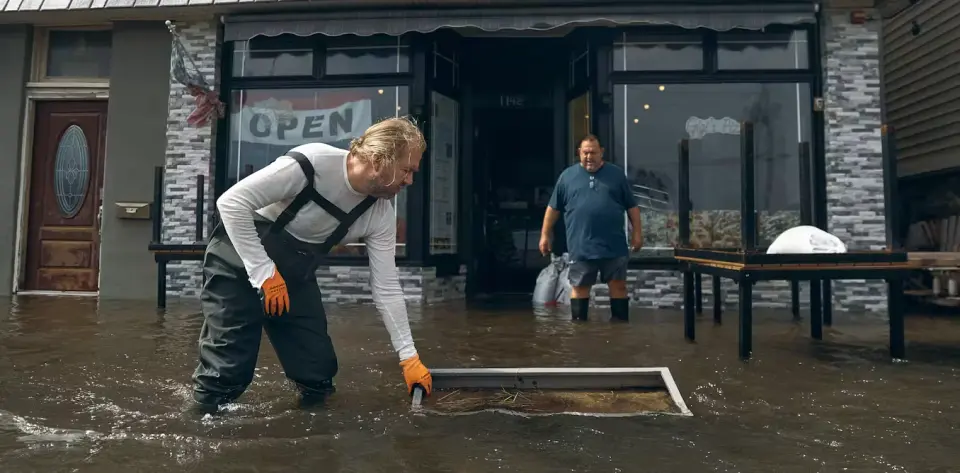
A powerful nor'easter struck the U.S. Atlantic Coast in late September 2026, causing severe flooding and erosion from North Carolina to New York. The event coincided with a strengthening El Niño, raising concerns about increased winter storm activity. Atlantic City recorded its highest water levels since Superstorm Sandy in 2012, while Rockaway Beach in Queens suffered massive sand loss, creating 14-foot cliffs. Experts attribute the extreme surge to a combination of strong onshore winds, high tides near a full moon, and accelerated sea-level rise along the mid-Atlantic. While the storm highlighted immediate vulnerabilities, it also serves as a potential indicator of the wetter, stormier conditions expected during the upcoming El Niño winter.
Key points
- The late-September 2026 nor'easter generated a significant storm surge, with Atlantic City, New Jersey, reaching its highest water level since 2012.
- Rockaway Beach in Queens experienced severe erosion, with sand dragged away to form 14-foot cliffs, and the area now resembles steep coastal cliffs.
- Ocean City, Maryland, reported its worst tidal flooding since 2012, with damaged dunes and walkways, prompting the city to seek aid for repairs.
- The surge was exacerbated by high tides coinciding with a full moon, as well as long-term sea-level rise, which is accelerating in parts of the U.S. East Coast due to post-glacial rebound.
- The storm occurred as a strong El Niño developed, which may increase the likelihood of moisture-laden storms and heavy precipitation along the East Coast this winter.
Background
This event follows a series of warnings about a strengthening El Niño that could impact weather patterns globally. In August 2026, CNN reported that a Super El Niño was rapidly strengthening, potentially becoming the strongest on record by year-end, which could lead to a stormier winter in the southern U.S. and drier conditions in the Northeast. In September 2026, California mobilized for potent El Niño-related storms, with Governor Newsom declaring a statewide emergency. Additionally, NOAA projected a greater than 90% chance of a 'very strong' El Niño for the fall/winter, which could influence temperatures and precipitation across various regions, including the Midwest and the East Coast. The current nor'easter is being analyzed in the context of these broader climate trends and the potential for increased coastal storm activity.
How outlets are covering it
The Conversation emphasizes the scientific factors behind the surge, including wind strength, storm size, coastline shape, and ocean depth, while highlighting the role of sea-level rise and El Niño in future risks. The New York Post focuses on the immediate, dramatic physical impact on Rockaway Beach, describing the transformation into cliffs and the bureaucratic challenges of repair. WBOC TV and the Baltimore Sun highlight the local impact in Ocean City, Maryland, noting the severity of the flooding and the need for aid. While all sources agree on the storm's severity, The Conversation provides a broader scientific context, whereas the local outlets focus on specific community impacts and recovery efforts.
Why it matters
The nor'easter underscores the increasing vulnerability of coastal communities to extreme weather events, particularly as sea levels rise and El Niño conditions intensify. The event serves as a warning for the upcoming winter, which may bring more moisture-laden storms and heavy precipitation to the East Coast. It also highlights the need for proactive preparedness, including insurance coverage, emergency supplies, and infrastructure resilience, to mitigate the impacts of future storms.
What to watch
Coastal communities are expected to continue recovering from the damage, with repairs to dunes and beaches taking several months. The El Niño is expected to continue influencing weather patterns through the winter, potentially leading to more above-normal precipitation and storm activity along the East Coast. Residents are advised to monitor weather forecasts, check insurance policies, and prepare emergency kits in anticipation of further severe weather events.
- Why the nor'easter’s storm surge was so high, and what it says about the El Niño winter ahead The Conversation
- Nor’easter leaves Rockaway Beach looking like steep cliffs of Ireland: ‘Almost totally gone’ New York Post
- Ocean City beaches recovering after Nor’easter over the weekend WBOC TV
- Ocean City seeks aid after worst tidal flooding since 2012 Baltimore Sun
- See nor'easter damage along South Jersey shore Courier-Post
Want the full story? Read the original reporting
Read on The Conversation