
Federal plan forces 20% water cuts for Arizona, California, and Nevada
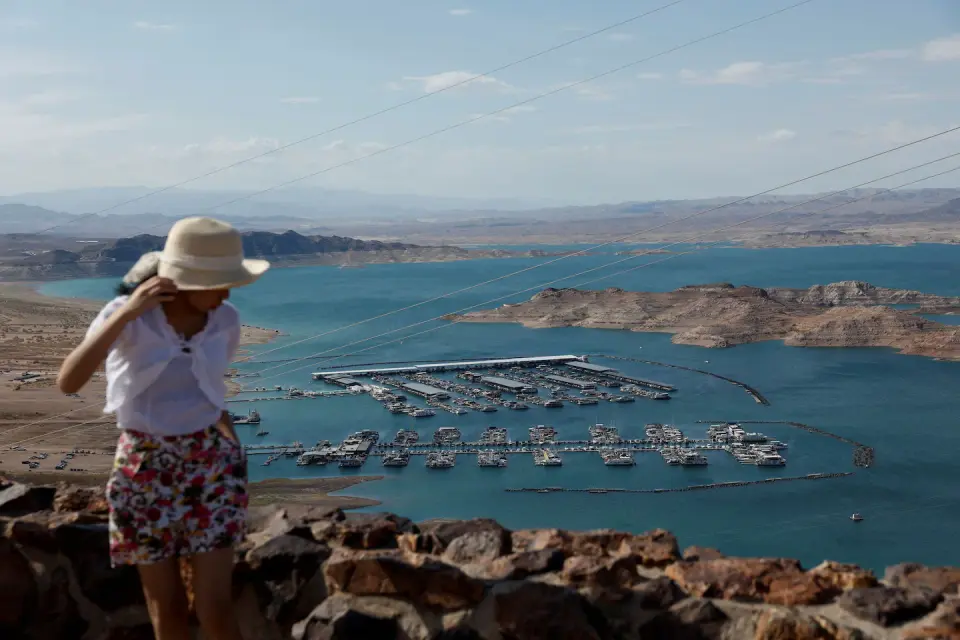
The U.S. Bureau of Reclamation has released a new operating framework for the Colorado River, requiring Arizona, California, and Nevada to reduce water usage by approximately 20% over the next two years. This move follows a stalemate among the seven basin states and aims to address historic low water levels in Lake Mead and Lake Powell. While the plan imposes immediate cuts on Lower Basin states, it leaves room for deeper reductions in the future and excludes mandatory cuts for Upper Basin states, sparking political backlash and concerns about long-term sustainability.
Key points
- Arizona, California, and Nevada must cut Colorado River water use by about 20% through 2028, according to three officials.
- The new 10-year framework through 2036 allows for cuts of up to 3 million acre-feet annually, nearly double the initial proposal.
- Lake Mead and Lake Powell are nearing record-low levels, with Mead at 1,041.17 feet and Powell at 3,522.78 feet.
- Upper Basin states (Colorado, Utah, Wyoming, New Mexico) face no mandatory cuts under this plan.
- Nevada will lose 50,000 acre-feet annually, though it uses less than its allocation due to conservation efforts.
Background
The Colorado River basin has faced a severe multi-year drought, with combined reservoir levels at their lowest since 1957. Previous temporary rules from 2007 and 2019 expired in October 2026, prompting federal intervention. Earlier reports highlighted a stalemate between Lower and Upper Basin states over how to share the burden of water cuts, with the Lower Basin arguing for broader participation and the Upper Basin citing climate-driven hydrological changes as the primary cause of reduced flow.
How outlets are covering it
The Washington Post emphasizes the mandatory 20% cuts for the three Lower Basin states and the potential for deeper reductions. The Nevada Independent highlights Nevada's disproportionate impact, noting that despite using less than its allocation, the state faces significant cuts and political pushback from Governor Joe Lombardo. ABC News focuses on the physical crisis, detailing how reservoir levels are nearing record lows and threatening hydropower generation. The Salt Lake Tribune notes that the deal excludes Upper Basin states, potentially relieving immediate pressure on Utah but leaving long-term impacts unclear. Outlets disagree on the fairness of the distribution, with Lower Basin states arguing they have already absorbed years of cuts, while Upper Basin states contend they are victims of climate change rather than overuse.
Why it matters
This plan impacts 40 million people and 5.5 million acres of cropland, affecting drinking water, agriculture, and hydropower across the Southwest. The failure to reach a consensus among all seven states risks litigation and further economic strain, while the ongoing drought and climate change threaten the long-term viability of the river system. The new framework sets a precedent for how water scarcity will be managed in the region, with potential ripple effects on energy production and regional economies.
What to watch
Federal officials are expected to finalize the framework in the coming days through a record of decision. The specific operating guidelines for 2027 and 2028 will be rewritten every two years through 2036. States may pursue litigation if they reject the plan, though legal challenges are expected to be slow and costly. Conservation efforts and potential policy shifts in agricultural and municipal water use will be critical to mitigating the impact of these cuts.
- A new Colorado River plan requires water cuts for three states. Deeper cuts are still possible. The Washington Post
- Low Lake Mead levels unearth a similar group of discoveries, except for the dead bodies KLAS 8 News Now
- Nevada's expected to lose a quarter of its Colorado River water. What happens next? The Nevada Independent
- Lake Mead, Lake Powell nearing record low levels, data shows abcnews.com
- A Colorado River deal is expected this week. How will it impact Utah? The Salt Lake Tribune
Want the full story? Read the original reporting
Read on The Washington Post