
El Niño-driven Kelvin wave to add 6 inches to California sea levels by early October
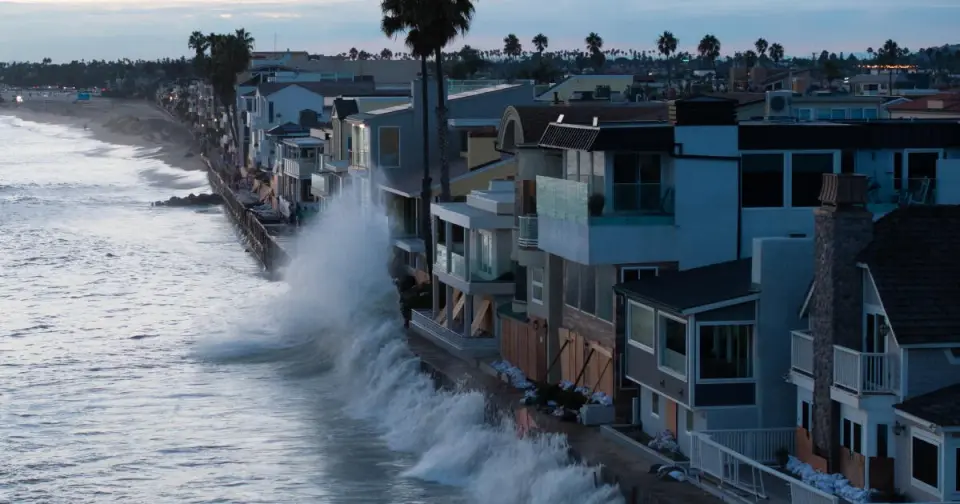
A coastally trapped Kelvin wave, fueled by a strengthening El Niño, is moving up the Pacific coast and is expected to reach Southern California in early October. This phenomenon will raise sea levels by an additional 6 to 12 inches, compounding existing climate-driven rises and marine heatwaves. The elevated water levels significantly increase the risk of severe coastal erosion and flooding when combined with winter storms or high tides.
Key points
- A coastally trapped Kelvin wave is currently traveling along the Mexican coast and is projected to enter the Gulf of California around September 19, reaching San Diego in early October.
- The wave is expected to increase sea levels off the California coast by approximately 6 inches, potentially lasting for months.
- This rise adds to the roughly 12 inches of sea level increase already experienced in California over the past 125 years due to global warming.
- NOAA forecasts a 75% chance that the current El Niño will be the strongest since 1950, with a 98% probability of 'very strong' conditions through December.
- The combination of the Kelvin wave, El Niño, and a separate marine heatwave could result in total sea level increases of up to a foot, exacerbating flood risks during storms.
Background
Recent weeks have seen significant coastal damage in Southern California, including a breached seawall in Long Beach and a sinkhole at a Malibu residence, driven by hurricane-generated swells and high tides. These events occurred against a backdrop of a strengthening El Niño, which has already contributed to record-breaking ocean temperatures and a marine heatwave unrelated to the El Niño itself. Previous archive coverage noted that while direct hurricane landfalls in California are unlikely, tropical moisture and swells have already impacted the region, prompting emergency preparations across coastal cities.
How outlets are covering it
The Los Angeles Times emphasizes the specific mechanics of the Kelvin wave, noting its origin in the western Pacific and its path through the Gulf of California, while highlighting the cumulative effect of El Niño, marine heatwaves, and long-term climate change. The Mercury News focuses on the broader implications for rainfall and flooding, citing a 70% chance of wetter-than-average conditions across California and comparing current trends to the 1997-98 El Niño. The Washington Post frames the event as a precursor to severe winter impacts, stressing the potential for combined storm and high-tide events to cause substantial damage. All sources agree on the severity of the El Niño but differ in emphasis: the LA Times details the wave's timeline, the Mercury News highlights precipitation risks, and the Washington Post focuses on the broader flood potential.
Why it matters
The arrival of the Kelvin wave marks a critical escalation in coastal risk for California. By adding several inches to already elevated sea levels, it creates a 'perfect storm' scenario where routine weather events could cause unprecedented damage to infrastructure, homes, and ecosystems. This development underscores the compounding nature of climate impacts, where multiple factors—El Niño, marine heatwaves, and long-term sea level rise—interact to amplify risks beyond what any single factor would cause alone.
What to watch
The Kelvin wave is expected to reach Southern California in early October, with the potential to last for months. As the wave arrives, officials and residents should monitor for increased erosion and flooding, particularly during high tides or storm events. NOAA and other agencies will continue to track the El Niño's strength, which may influence winter storm patterns and rainfall across the state. Emergency management agencies are already preparing for potential flooding and infrastructure damage, with a focus on coastal and low-lying areas.
- California coast braces for another battering as new El Niño-related wave emerges in Pacific Los Angeles Times
- How El Niño could bring punishing conditions to the West Coast this winter The Washington Post
- El Niño: Why chances are increasing for lots of rain this winter in the Bay Area and across California The Mercury News
- Coastal damage and a looming El Niño prompt warnings for homeowners to review insurance coverage ABC7 Los Angeles
- Super El Niño Spawns 1,000-Mile "Planetary Wave" Heading for California, Raising Sea Levels One-Foot SURFER Magazine
Want the full story? Read the original reporting
Read on Los Angeles Times