
Germany warns Russia may launch nuclear-armed satellite within 60 days
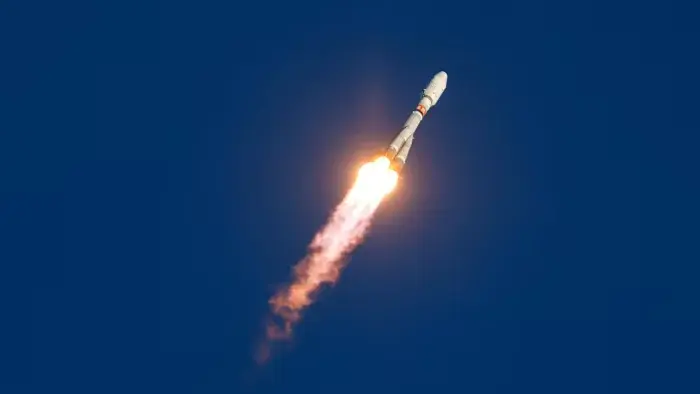
German officials are treating intelligence reports as credible that Russia may launch a nuclear-armed satellite, designated Sputnik-S, into orbit within 60 days. The move would violate the 1967 Outer Space Treaty and could disable thousands of satellites via electromagnetic pulse effects. Moscow denies the claims, calling them propaganda, while Western allies warn the weapon poses a severe threat to global communications and military infrastructure.
Key points
- German Chancellor Friedrich Merz and NATO Secretary-General Mark Rutte stated that Berlin is taking intelligence reports regarding a potential Russian nuclear space launch very seriously.
- Western intelligence agencies, including Germany’s BND and armed forces, allege that the Sputnik-S satellite has been stored in the Moscow region for several years and could be launched as early as December 2026.
- The 1967 Outer Space Treaty prohibits the placement of nuclear weapons in Earth orbit, a treaty to which Russia is a signatory, though Moscow vetoed a 2024 UN Security Council resolution reaffiring this ban.
- A nuclear detonation in low-Earth orbit could cause the rapid loss of thousands of satellites, including commercial networks like Starlink and military surveillance platforms, while creating lingering radiation belts that persist for years.
- Kremlin spokesperson Dmitry Peskov dismissed the reports as 'hardly worth taking seriously' due to vague sourcing, while the Russian embassy in Berlin labeled the allegations as part of a propaganda campaign.
Background
This development follows a declassified US Defense Intelligence Agency report in October 2026 that explicitly warned of Russia’s plans to deploy a nuclear-armed satellite. Recent studies also indicate that a single high-altitude nuclear blast could disable nearly 99% of low-Earth orbit satellites within 15 days. Russia has previously tested kinetic anti-satellite weapons and made close passes near European and US spy satellites, raising concerns about the militarization of space.
How outlets are covering it
The Financial Times and Bloomberg emphasize the immediacy of the threat, noting that intelligence was shared among NATO allies in early November. The Guardian highlights the broader context of rising space militarization, including the US Air Force’s recent admission of deploying on-orbit space control weapons. Ars Technica notes that while conventional anti-satellite weapons target individual assets, a nuclear detonation would indiscriminately damage entire satellite networks, potentially affecting China and Russia as well as the West. All sources agree that Moscow has consistently denied developing such a weapon, with the Kremlin dismissing the intelligence as unfounded.
Why it matters
The potential deployment of a nuclear weapon in space represents a significant escalation in the militarization of orbit, threatening critical global infrastructure for communications, navigation, and military operations. It challenges the long-standing norm of keeping space free from weapons of mass destruction and could trigger a new arms race in orbital domains.
What to watch
Western intelligence agencies will continue to monitor Russian launch activities at the Vostochny Cosmodrome and other sites. NATO is expected to assess its deterrence and defense posture in response to the alleged threat, while diplomatic channels may be used to address the potential treaty violation if a launch occurs.
- Russia poised to put nuclear weapon in space within 60 days, Germany warns Financial Times
- Germany taking seriously reports Russia may be planning to launch nuclear weapons into space The Guardian
- Russia may launch a nuclear-armed satellite far sooner than we thought Ars Technica
- Asked about Russian satellite reports, NATO says it constantly assesses situation Reuters
- Allies Warn Russia May Launch Nuclear Space Weapon Next Month Bloomberg.com
Want the full story? Read the original reporting
Read on Financial Times