
Iran offers to reopen Hormuz within a week if U.S. lifts blockade
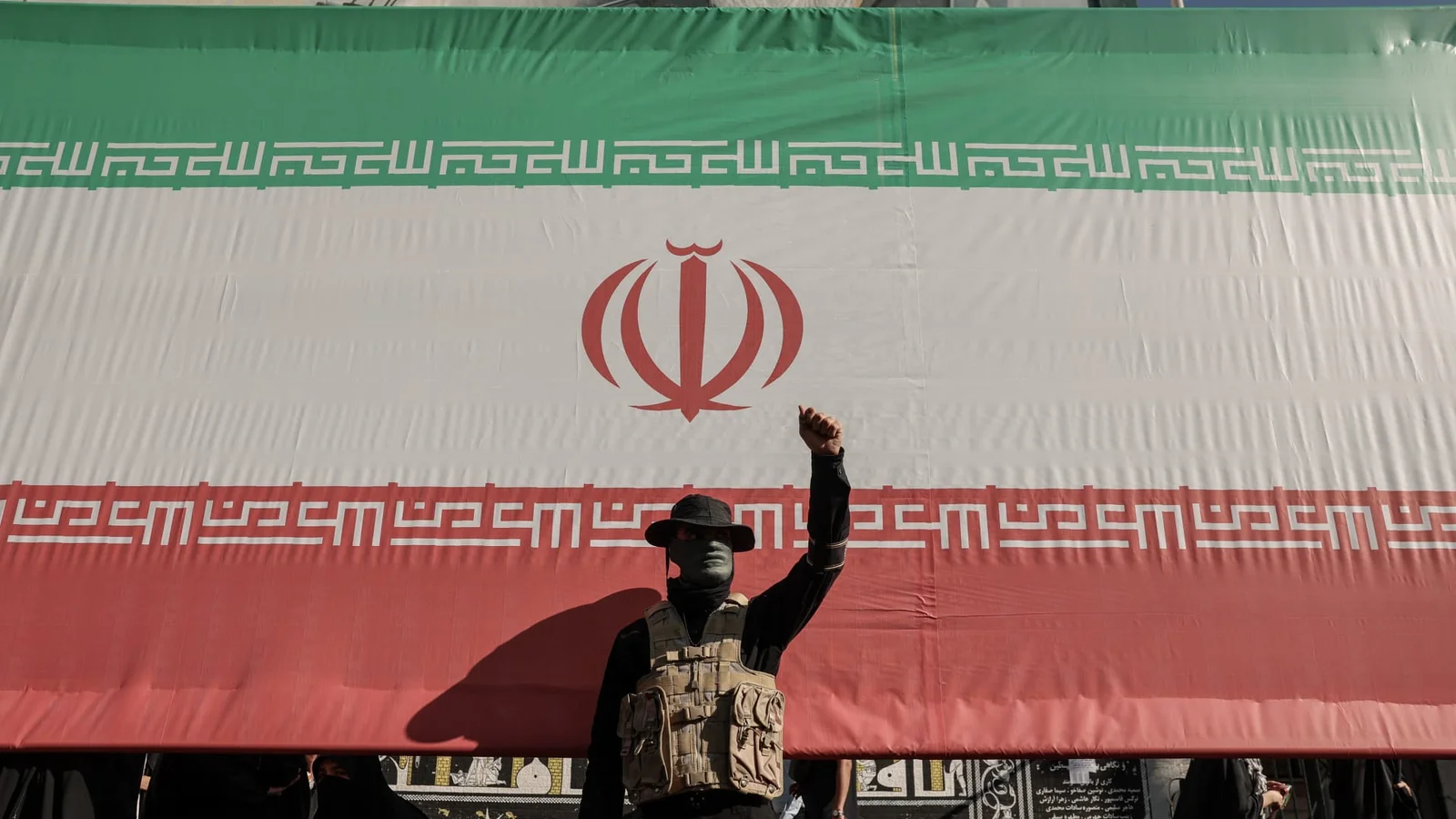
Iran has proposed reopening the Strait of Hormuz within seven days if the United States lifts its naval blockade and eases military pressure. This offer, transmitted via Qatari mediators during the UN General Assembly, seeks to revive negotiations for a permanent end to hostilities. While Tehran demands the release of frozen assets and an end to sanctions, U.S. President Donald Trump has framed the situation as a choice between a deal and further military action, expressing hope for an agreement after the November midterm elections. Current shipping through the strait remains at 38% of pre-war levels, and Iran’s crude exports have dropped to zero in September due to the blockade.
Key points
- Iran’s military described U.S. threats to 'annihilate' Tehran as a sign of 'strategic desperation,' warning it is prepared to launch more damaging strikes.
- Trump said Washington faces a choice between a deal with Iran and further military action, while Tehran has laid out conditions for ending the war and reopening the Strait of Hormuz.
- Oil prices were mixed on Wednesday, with Brent crude rising 0.7% to $99.90 per barrel and WTI falling 0.1% to $90.42 per barrel.
- Iran’s foreign ministry spokesman Esmaeil Baghaei stated that Tehran’s conditions include a halt to U.S. 'acts of aggression,' an end to the naval blockade, and the release of Iranian assets.
- A senior Iranian official said Tehran could reopen the strait within a week if the U.S. eases military pressure and lifts its blockade of Iranian ports.
Background
This development follows a nearly seven-month conflict that began after an interim peace agreement collapsed in July. Previous tensions included Trump’s declaration in August that Hormuz was under full U.S. control and Iran’s insistence that reopening required lifting sanctions and paying reparations. The current diplomatic push occurs amid a significant drop in oil flows, with confirmed transits averaging 6.98 million barrels a day, down from a pre-war baseline of 18.3 million barrels.
How outlets are covering it
CNBC and The Jerusalem Post emphasize the diplomatic channel through Qatari mediators and the specific conditions set by Iran, including the release of frozen assets. IranWire highlights the approval of the proposal by Supreme Leader Mojtaba Khamenei and the Supreme National Security Council, noting a 45-day deadline for the U.S. to lift the blockade. The Jerusalem Post also notes that Baghaei characterized Trump’s UN speech as stemming from 'desperation' rather than strength, while CNBC reports that Trump expects a deal after the November midterm elections.
Why it matters
The Strait of Hormuz carries about a fifth of global oil and gas shipments. A reopening could stabilize global energy markets and reduce oil prices, which have been volatile due to the blockade. Conversely, a failure to reach a deal could lead to further military escalation, as Iran has warned it is prepared to launch more damaging strikes if the U.S. does not ease its pressure.
What to watch
The next round of talks is expected to take place through intermediary nations in New York, with Iran’s delegation at the UN General Assembly having full authority to revive diplomatic talks. The U.S. is expected to respond to Iran’s proposal, with Trump expressing hope for an agreement after the November midterm elections. The 45-day deadline for the U.S. to lift the blockade is nearing expiration, which could trigger renewed strikes by Iran if not met.
- Iran floats conditions for Hormuz reopening as Trump says deal could come after midterms CNBC
- Trump threatens to annihilate Iran as diplomats push for deal at UN Yahoo
- Iran ready to reopen Strait of Hormuz if US eases military pressure and lifts blockade Reuters
- Tehran Offers to Reopen Strait of Hormuz Within 7 Days if U.S. Eases Blockade IranWire
- Baghaei says Iran passed conditions to end US war to Qatari mediators The Jerusalem Post
Want the full story? Read the original reporting
Read on CNBC