
Iran Proposes Reopening Strait of Hormuz in Seven Days if U.S. Lifts Blockade
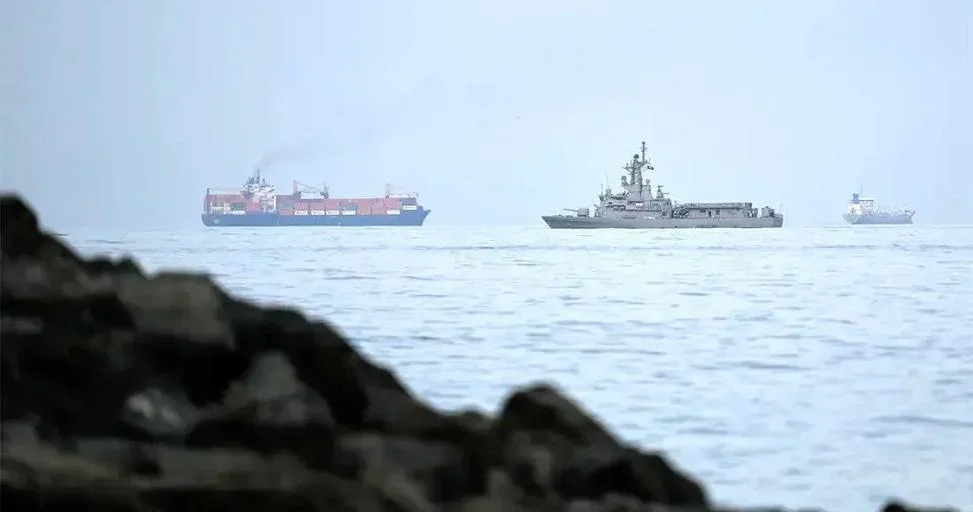
Iran has offered to reopen the Strait of Hormuz within seven days and resume negotiations with the United States, provided Washington eases its naval blockade and halts military operations. This proposal, approved by Supreme Leader Mojtaba Khamenei, was transmitted via Qatari intermediaries during the UN General Assembly. While Tehran demands the lifting of sanctions and the release of frozen assets, U.S. President Donald Trump has framed the situation as a choice between a deal and further military action, expressing hope for an agreement after the November midterm elections. Current shipping through the strait remains at 38% of pre-war levels, and Iran’s crude exports have dropped to zero in September due to the blockade.
Key points
- Iran’s Supreme National Security Council approved a proposal to reopen the Strait of Hormuz within seven days if the U.S. lifts its blockade and halts military operations.
- Tehran’s conditions include an end to U.S. 'acts of aggression,' the lifting of sanctions, and the release of frozen Iranian assets, as stated by Foreign Ministry spokesman Esmaeil Baghaei.
- The proposal was communicated to Washington via Qatari mediators in New York, with Iran’s UN delegation holding full authority to revive talks, though a direct meeting between Presidents Pezeshkian and Trump was ruled out.
- U.S. President Trump stated at the UN General Assembly that he faced a choice between a deal and 'annihilating' the Islamic Republic, while expressing confidence in a deal after the November midterm elections.
- Shipping through the Strait of Hormuz has fallen to 38% of pre-war levels, and Iran’s crude loadings have dropped to zero in September from 893,000 barrels per day in July.
- An interim peace agreement collapsed in July, and the SNSC had previously set an August 16 deadline for the U.S. to end the blockade, after which Iran reserved the right to launch renewed strikes.
Background
This development follows a seven-month conflict between the U.S. and Iran, which began with an interim peace agreement that collapsed in July 2026. Prior tensions included U.S. naval blockades that drastically reduced Iran’s oil revenues, with August loadings falling to 260,000 barrels per day. In August, President Trump claimed the U.S. would declare the Strait of Hormuz a U.S. territory, a move rejected by Iran and legal experts. The current diplomatic efforts come amid ongoing hostilities and a U.S. economic onslaught aimed at severing Iran’s financial connections.
How outlets are covering it
Iranian officials, including Foreign Ministry spokesman Esmaeil Baghaei, emphasize that their conditions for ending the war are not new but have been communicated earlier this week, framing U.S. threats as 'desperation' and 'international crimes.' In contrast, U.S. President Donald Trump has adopted a hardline stance, threatening to 'annihilate' the Islamic Republic if no deal is reached, while simultaneously expressing optimism about a post-election agreement. Regional media and CNBC highlight the economic impact of the blockade, noting that Iran’s crude exports have dried up, while Kpler data shows shipping through Hormuz is far below normal. The Jerusalem Post notes that Baghaei dismissed Trump’s UN speech as repetitive, whereas IranWire highlights the internal approval of the proposal by the Supreme Leader and the SNSC, indicating a unified stance within Tehran despite previous hardline warnings from Parliament Speaker Mohammad-Baqer Qalibaf.
Why it matters
The potential reopening of the Strait of Hormuz is critical for global energy markets, as the waterway carried about 20% of global oil and gas shipments before the war. A resolution could stabilize oil prices, which have recently drifted lower on hopes of a diplomatic opening, with Brent crude at $98.37 and WTI at $89.16 per barrel. Conversely, a failure to reach a deal could lead to renewed military strikes, as Iran has reserved the right to launch attacks if the U.S. does not lift the blockade by the August 16 deadline. The outcome will also influence regional security dynamics, particularly regarding Saudi Arabia’s shift to its Gulf coast for exports and the broader U.S. strategy of economic isolation.
What to watch
The next 45 days are critical, as the SNSC’s August 16 deadline for the U.S. to end the blockade is nearing expiration. If the U.S. does not ease the blockade, Iran may launch renewed strikes against U.S. forces. Diplomatic talks are expected to continue through Qatari mediators in New York, with potential details negotiated via intermediary nations. President Trump has indicated that a deal is more likely after the November midterm elections, suggesting a potential delay in formal negotiations. Iran’s UN delegation will continue to assert its authority to revive talks, while the U.S. may escalate military or economic pressure if no progress is made.
- Tehran Offers to Reopen Strait of Hormuz Within 7 Days if U.S. Eases Blockade IranWire
- Iran floats conditions for Hormuz reopening as Trump says deal could come after midterms CNBC
- Trump threatens to annihilate Iran as diplomats push for deal at UN Yahoo
- Iran ready to reopen Strait of Hormuz if US eases military pressure and lifts blockade Reuters
- Baghaei says Iran passed conditions to end US war to Qatari mediators The Jerusalem Post
Want the full story? Read the original reporting
Read on IranWire