
Iran’s Security Chief Outlines Three Conditions for Ceasefire, Warns of Naval Strikes
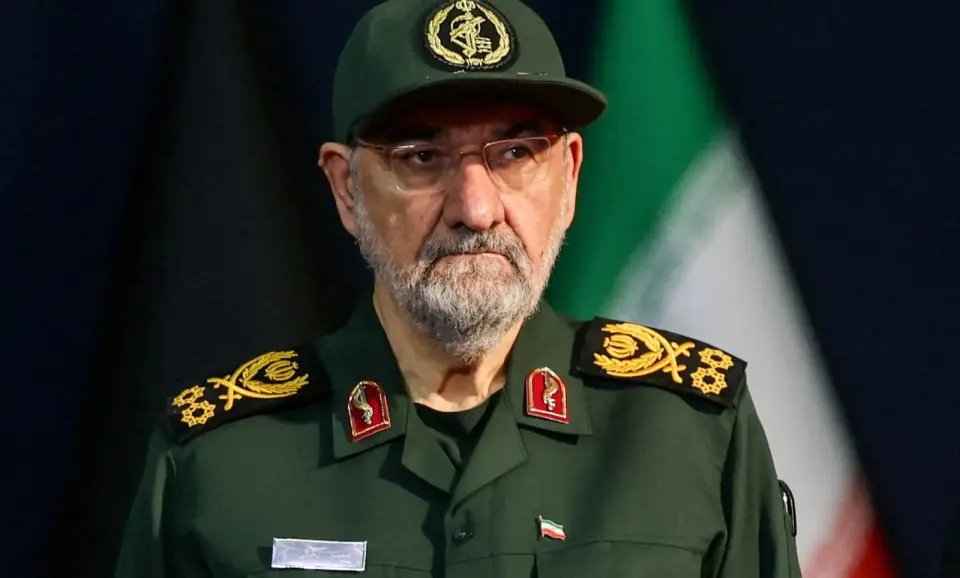
Iran’s Supreme National Security Council secretary, Mohsen Rezaei, stated that Tehran has sent Washington a formal list of conditions to end the war via Qatari mediators. The terms require an end to hostilities on all fronts, the release of frozen funds, and the lifting of the naval blockade. Rezaei warned that a new US strike is likely but emphasized Iran’s readiness for a 'decisive war,' including targeted attacks on US naval assets. While diplomatic channels remain open, the conflict continues, with Iran shifting its military focus to the Gulf and Arabian Sea.
Key points
- Mohsen Rezaei confirmed that Iran’s conditions for peace were transmitted to the US through Qatar, and Tehran is awaiting a response from President Donald Trump.
- The three core demands are an end to the war on all fronts, the release of frozen Iranian funds, and the termination of the US naval blockade.
- Rezaei stated that Iran’s military strategy has shifted to target US naval assets from the Gulf to the Arabian Sea, noting that targets further toward the Indian Ocean are out of reach.
- Iran recently test-fired a multi-warhead anti-ship missile near a US vessel, with Rezaei indicating the warheads may be subject to further development.
- Rezaei rejected US claims that Iran violated the expired memorandum of understanding by striking an oil tanker, asserting the action was a response to US strikes on Bandar Abbas.
- Iran has not decided to withdraw from the Nuclear Non-Proliferation Treaty but warned that further US pressure or UN referrals could force such a move.
Background
The current standoff follows the expiration of a memorandum of understanding last month, which had previously paused hostilities. Earlier in August, mediators including Qatar, Pakistan, and Oman were actively pressing for renewed dialogue and a reopening of the Strait of Hormuz, with Tehran insisting that any agreement required the lifting of sanctions and reparations. Recent diplomatic efforts have also seen Iran look toward China as a potential bridge to Washington, with Foreign Minister Abbas Araghchi visiting Beijing to discuss regional security and economic ties.
How outlets are covering it
Al Jazeera highlights the dual nature of Iran’s approach, combining diplomatic openness with military readiness, while noting that former Pentagon official David Des Roches views Iran’s terms as unlikely to be accepted by Washington as they resemble surrender. In contrast, Iran International focuses on the domestic and economic fallout, reporting that Democrats in the US are linking the war to rising gasoline prices ahead of midterm elections. Iran International also notes that Iranian officials are increasingly seeking China’s diplomatic support, arguing that Beijing’s neutrality and economic weight offer a stronger guarantee than previous mediators like Qatar and Pakistan.
Why it matters
The continuation of the war and the naval blockade are driving global energy prices higher, with Democrats in the US estimating the conflict has cost Americans $230 billion in increased food and gas costs. The potential for a new US strike and Iran’s focus on naval assets could further disrupt shipping in the Strait of Hormuz, exacerbating global energy crises and economic instability.
What to watch
Tehran is awaiting a response from President Trump regarding the conditions sent via Qatar. If no agreement is reached, Rezaei warned that a new US strike is 'very much on the cards,' and Iran is prepared for a decisive war involving heavy responses against US bases and commercial interests in the region.
- Iran says conditions to re-engage in talks, end war sent to US via Qatar Al Jazeera
- Iran war live: Tehran says conditions for ending war sent to US via Qatar Al Jazeera
- Signal from Tehran: Iran wants to return to the framework agreement Yahoo
- Iran's security chief lays out terms to end war, says awaiting Trump response Iran International
- Iran sends US ‘seven conditions’ for talks, warns nuclear doctrine could change Ynetnews
Want the full story? Read the original reporting
Read on Al Jazeera