
Iran Defies Trump’s Claim of US Control Over Strait of Hormuz
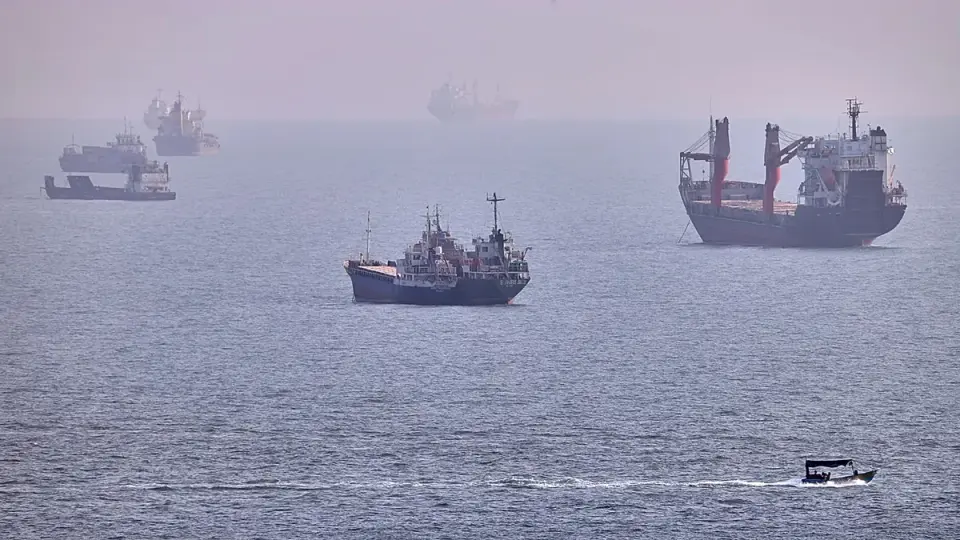
Iran has firmly rejected President Donald Trump’s assertion that the United States will declare the Strait of Hormuz a US territory, insisting the waterway remains under Iranian command. Tehran’s Deputy Foreign Minister warned that the strait will only open or close at Iran’s discretion, linking its closure to the ongoing US naval blockade. While Trump framed his comments as a victory over a 'defeated' Iran, Tehran maintains that the US is the aggressor and that the blockade must end before any reopening occurs.
Key points
- Trump stated in New York that he would soon declare the Strait of Hormuz a US territory after defeating Iran, claiming the US controls the blockade.
- Iran’s Deputy Foreign Minister, Kazem Gharibabadi, responded that the strait 'will remain Iranian' and that it will only open or close under Iranian command.
- Tehran linked the continued closure of the strait to the US refusal to accept defeat and end its naval blockade of Iranian ports.
- The strait, which carries roughly 25% of global seaborne oil, remains a central point of contention despite a June memorandum of understanding that was not fully implemented.
- Iranian Foreign Minister Abbas Araghchi blamed the US for the return to violence in the region, while the US maintains its naval blockade via the USS Abraham Lincoln.
Background
This dispute follows a series of escalating tensions since late February 2026, when the Iran war began and Tehran effectively closed the strait. A June memorandum of understanding had required Iran to reopen the waterway and halt nuclear development in exchange for the US lifting sanctions and its naval blockade. However, Iranian attacks on shipping in July triggered renewed US strikes and a tightened blockade, collapsing the provisional peace efforts. Previous archive reports from August 13 noted that Iranian military officials had already dismissed US claims of control, emphasizing that no commercial ships could pass without Iranian permission and transit fees.
How outlets are covering it
Euronews highlights the rhetorical clash between Trump’s casual claim of territorial annexation and Iran’s firm diplomatic rebuttal, noting that it was unclear how serious Trump was being. Al Jazeera provides a broader context of the ongoing conflict, emphasizing that Iran’s Foreign Minister blames the US for the return to violence and detailing the continued naval blockade enforced by the USS Abraham Lincoln. While Euronews focuses on the specific territorial dispute, Al Jazeera frames the Hormuz issue within the wider US-Israel war on Iran and the broader regional instability, including strikes in Lebanon and Gaza.
Why it matters
The Strait of Hormuz is a critical global chokepoint for oil and gas transit. Its closure or continued blockade by either side has significant implications for global energy prices and supply chains. The dispute over sovereignty and control reflects the deeper unresolved tensions between the US and Iran, with the potential for further military escalation if the blockade and closure continue.
What to watch
The situation may escalate if the US maintains its naval blockade and Iran continues to enforce its closure. Diplomatic talks, including ongoing negotiations with Oman regarding a new shipping route, may continue, but they are contingent on the US lifting its blockade. The 60-day window from the June memorandum has likely expired, and the lack of a final deal suggests a prolonged standoff.
- Iran says Strait of Hormuz 'will remain Iranian' after Trump warning Euronews.com
- Iran war live: Trump vows to make Hormuz US territory ‘pretty soon’ Al Jazeera
- Iran defiant on strait as Trump tells Americans to accept high gas prices reuters.com
- The Iran War Is Now About Who Blinks First Under Economic Pressure WSJ
- US Readies Iran Penalties as Trump Downplays Midterms Impact Bloomberg
Want the full story? Read the original reporting
Read on Euronews.com