
Iran strikes Bahrain twice as US rejects radar damage claims
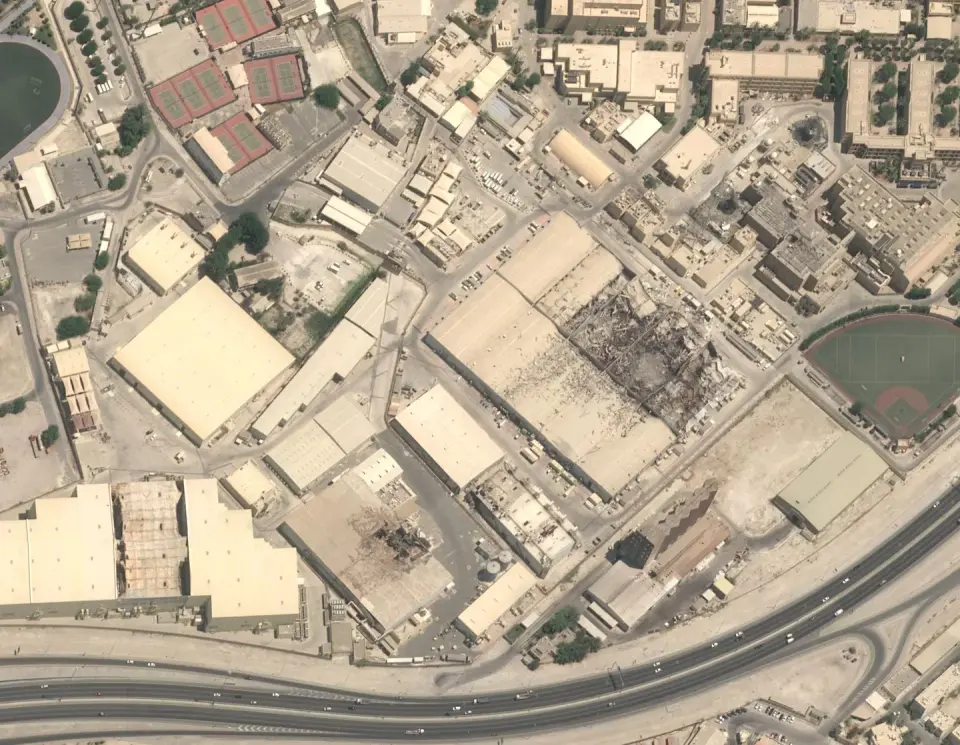
Iran launched two drone attacks on Bahrain in November 2026, marking a significant escalation after months of relative quiet. While Tehran claims it destroyed a US early-warning radar system, the US military denies any damage, stating both drones were intercepted. The strikes occur as President Trump rejects diplomatic negotiations, opting for an economic blockade instead.
Key points
- Iran’s Islamic Revolutionary Guard Corps (IRGC) claimed it destroyed a US early-warning radar in Bahrain, but US Central Command denied the claim, stating both drones were shot down with no injuries or damage.
- Bahrain’s defense forces confirmed intercepting and destroying several Iranian drones on Friday and Sunday, marking the first attacks on the nation since September.
- President Trump declared that the US does not need a deal with Iran, canceling Vice President JD Vance’s efforts to resume talks and prioritizing economic sanctions over military action.
- The International Atomic Energy Agency (IAEA) expressed concern over Iran’s refusal to allow inspections at the Isfahan Fuel Enrichment Plant, citing ongoing threats and aggression.
- The International Energy Agency reported that global oil supplies surpassed demand in October, with Gulf exports recovering to 82% of pre-war levels despite continued Iranian attacks on shipping.
Background
The US and Iran reached a preliminary agreement to end hostilities in June 2026, but it collapsed within weeks as Iranian attacks on shipping resumed and the US reinstated a naval blockade. Prior to the current escalation, major hostilities had largely ended in the summer, with fewer attacks reported on Gulf allies. Recent Houthi strikes on Saudi Arabia in October highlighted ongoing regional instability, but the current focus is on the direct confrontation between Iran and US-backed Gulf states.
How outlets are covering it
The Washington Post and CNN emphasize the escalation as a strategic move by Iran to force a resolution on its terms, noting Tehran’s frustration with the economic squeeze. The BBC and CBS News highlight the conflicting claims regarding the radar strike, with the US firmly denying damage while Iran insists on its success. CNN also notes the deepening anxiety among Gulf states, evidenced by the GCC’s new military headquarters in Kuwait, while CBS focuses on the US administration’s refusal to negotiate, with Trump declaring the war 'militarily effectively over.'
Why it matters
The strikes signal a potential breakdown in the fragile post-war status quo, threatening to reignite broader regional conflict. The US refusal to negotiate, combined with Iran’s economic desperation and the IAEA’s concerns over nuclear transparency, creates a volatile environment where miscalculation could lead to renewed large-scale hostilities.
What to watch
Iran is likely to continue targeting Gulf infrastructure and shipping to pressure the US, while the US may maintain its economic blockade and military presence. The IAEA may escalate its demands for access to the Isfahan facility, and Gulf states could further integrate their military commands in response to Iranian threats.
- Iran targets Bahrain twice after months of quiet, claiming retaliation against U.S. The Washington Post
- Iran targets US military base in Bahrain with drone attack BBC
- Live Updates: Bahrain says it intercepted Iranian attacks after Tehran claims it targeted U.S. assets CBS News
- Iran raises stakes with new drone attacks as Trump signals a waiting game CNN
- Iran says it targets US radar in Bahrain. What do we know? Al Jazeera
Want the full story? Read the original reporting
Read on The Washington Post