
Iran’s Seven-Day Hormuz Plan Meets U.S. Patience Amid Midterm Election Pressure
Iran has submitted a seven-day plan to reopen the Strait of Hormuz and resume nuclear talks, mirroring a collapsed June agreement. While Tehran seeks a deal before U.S. midterm elections, Washington maintains a hardline stance, citing its control over oil exports. The U.S. blockade has redirected 122 vessels, and oil prices dipped slightly on the news of potential negotiations.
Key points
- Iranian Foreign Minister Abbas Araghchi announced a seven-day plan to reopen the Strait of Hormuz and restart negotiations, mirroring a June memorandum of understanding.
- The U.S. blockade on the strait has redirected 122 vessels since July 14, with 40 million barrels of crude transiting under U.S. escort in the last 48 hours.
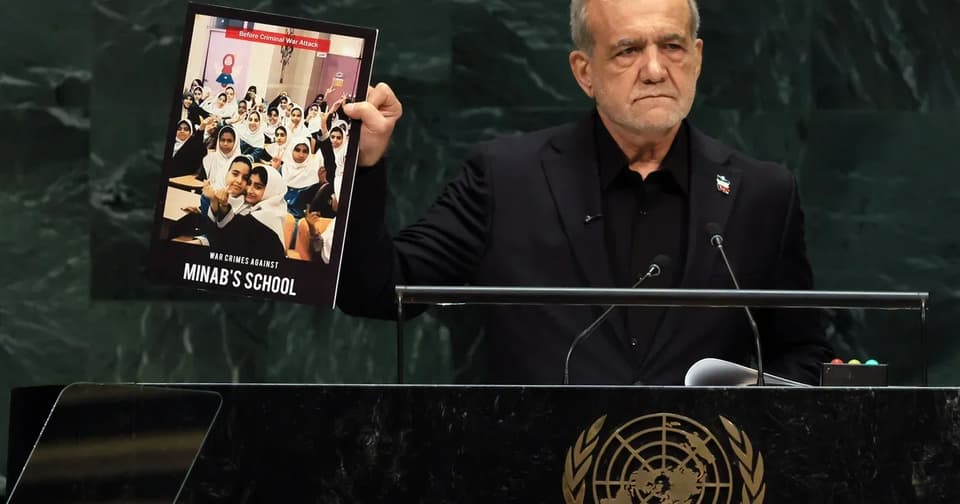
- Iranian President Masoud Pezeshkian stated Tehran wants a deal before November U.S. midterm elections, contradicting President Trump’s claim that Iran is waiting for the election outcome.
- U.S. officials described talks as 'positive and constructive' but emphasized they are not in a rush, citing their strong position in controlling oil flows.
- Oil prices fell slightly, with Brent crude trading at about $103 per barrel, down 2.5% from Thursday, on tentative hopes for a deal.
Background
The current diplomatic efforts follow a June memorandum of understanding that collapsed within weeks, with Iran accusing the U.S. of breaching the deal by maintaining a naval blockade. The U.S. blockade, reinstated on July 14, has significantly impacted oil exports, with Iran’s crude exports dropping to zero in September. The U.S. has also warned China against aiding Iran, with Ambassador David Perdue stating that any support, direct or indirect, is 'totally unacceptable.'
Why it matters
The potential reopening of the Strait of Hormuz is critical for global energy markets, as the strait is a vital route for oil exports. A successful deal could stabilize oil prices and reduce tensions in the Middle East, while a failure could lead to further escalation and economic disruption. The timing of the negotiations, ahead of U.S. midterm elections, adds political pressure to both sides.
What to watch
The next steps depend on whether the U.S. accepts Iran’s seven-day plan. If accepted, the strait could reopen within a week, followed by comprehensive nuclear talks. If rejected, the U.S. may maintain its blockade, potentially leading to further escalation. The U.S. and Iran are also discussing arrangements for the strait, including joint management with Oman and regional countries.
Want the full story? Read the original reporting
Read on cbsnews.com