
Iran’s Seven-Day Hormuz Plan Tests US Patience Amid Midterm Pressure
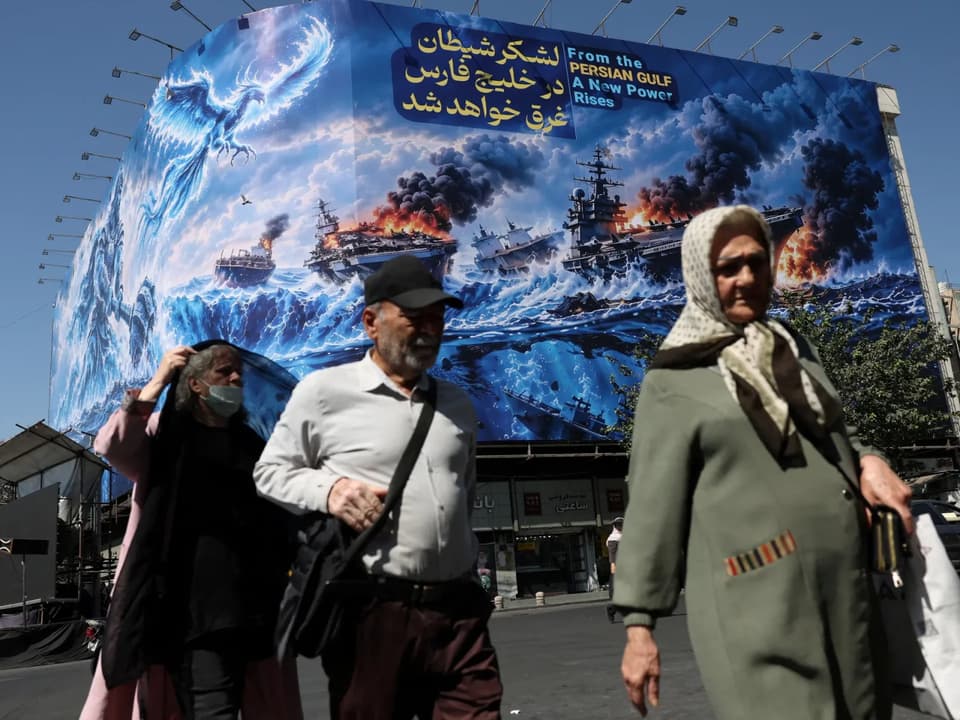
Iran has proposed a seven-day timeline to reopen the Strait of Hormuz, contingent on the US lifting its naval blockade and sanctions. The plan, mediated by Qatar at the UN General Assembly, mirrors a failed June agreement but accelerates the sequence: fighting stops, sanctions lift, the strait reopens, and nuclear talks begin. While Iran seeks a deal before US midterms to lower fuel prices, Washington insists on addressing the nuclear program first, creating a stalemate as the war enters its seventh month.
Key points
- Iran’s Foreign Minister Abbas Araghchi stated that the strait could reopen within seven days of US acceptance, following a sequence of ceasefire, sanctions relief, and asset release.
- The proposal builds on a June memorandum of understanding that collapsed in July, but condenses the timeline and changes the order of operations.
- The US demands immediate discussions on Iran’s nuclear program, while Iran refuses to engage on this topic until the blockade is lifted and strikes end.
- Analysts note that Iran is using the UN platform to pressure the US administration ahead of midterm elections, leveraging high fuel prices as a leverage point.
- Despite positive indirect contacts via Qatar, neither side has signaled a breakthrough, with the US maintaining its naval blockade and Iran remaining defiant despite economic strain.
Background
This proposal follows a failed June memorandum of understanding that briefly eased the conflict but collapsed amid renewed confrontation over shipping routes. The current standoff is part of a seven-month war, with the US claiming control of the strait and Iran insisting on economic recovery through maritime access. Previous attempts to negotiate have stalled due to disagreements over the sequencing of concessions, particularly regarding the nuclear program.
Why it matters
The Strait of Hormuz is a critical route for global oil and gas exports. Its closure has driven up energy prices, impacting both the US and Iran. A resolution could stabilize global markets and reduce economic pressure on both nations, but the deadlock over sequencing and nuclear issues suggests a prolonged stalemate. The timing also adds political urgency, as both sides weigh the impact on upcoming US elections and domestic stability.
What to watch
The US is expected to assess whether the economic pressure from high fuel prices and midterm elections will force a concession. Iran may continue to leverage its position, but analysts doubt significant sanction relief will occur. If no deal is reached, the conflict may persist through the midterms, with potential for renewed military action if negotiations fail.
Want the full story? Read the original reporting
Read on Al Jazeera