
Middle East Braces for Election-Driven Tensions as Trump Weighs Iran Strikes and Oil Spikes
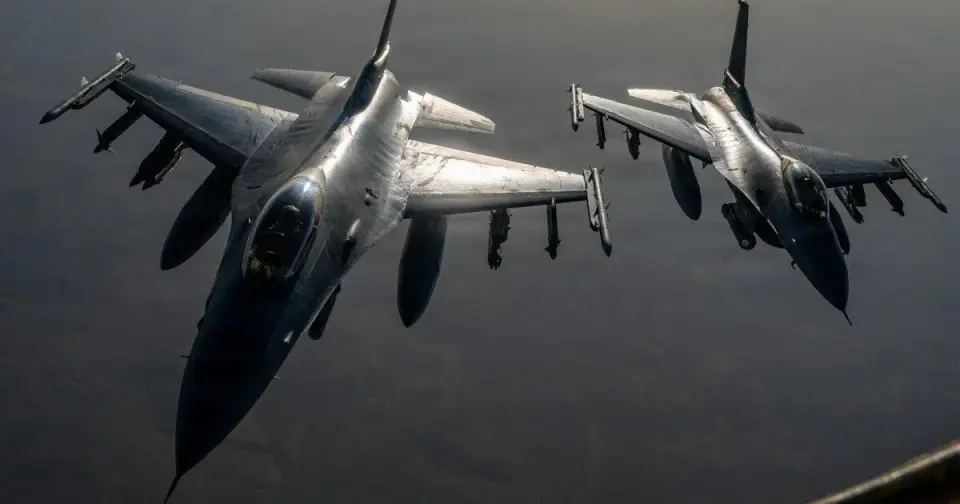
President Donald Trump is weighing a potential resumption of military strikes against Iran against diplomatic negotiations, stating he must decide whether to 'finish them off' or make a deal. This uncertainty coincides with Israel's upcoming elections and a surge in Brent crude oil prices to approximately $115 per barrel. Meanwhile, Iran maintains its diplomatic channels are open despite conflicting internal signals, and regional powers like Saudi Arabia, Turkey, and Pakistan are holding security talks in Tehran to de-escalate the conflict.
Key points
- Trump stated on Sunday he is deciding between a deal and military action, noting that additional US forces, including a third aircraft carrier group, have been deployed to the region.
- Iranian Foreign Minister Abbas Araghchi asserted that renewed war would not change Tehran's policies, while an IRGC-affiliated outlet rejected reports that Iran offered to reopen the Strait of Hormuz in exchange for lifting the US naval blockade.
- Israel's Defense Minister Israel Katz denied reports of a rift between Prime Minister Benjamin Netanyahu and army chief Eyal Zamir regarding potential new strikes, calling such claims 'entirely baseless' ahead of Tuesday's parliamentary elections.
- The Houthis claimed to have struck Riyadh's airport shortly after it reopened, though the Saudi-led coalition said it intercepted the missile and destroyed launchers in Sanaa.
- Senior officials from Saudi Arabia, Turkey, and Pakistan are meeting in Tehran to discuss regional security and de-escalation, following the Makkah Joint Defense Agreement.
Background
This situation follows months of escalating tensions, including a US-Iran war that began in February 2026 and record-high maritime attacks in the Strait of Hormuz. Previous coverage noted that oil prices had already surged past $100 per barrel due to supply concerns and Houthi strikes in the Bab al-Mandeb Strait. The current diplomatic efforts build on a June interim agreement brokered by Pakistan and Qatar, which aimed to restore shipping and begin broader negotiations on Iran's nuclear program.
How outlets are covering it
Outlets highlight different aspects of the diplomatic and military stalemate. CBS News emphasizes Trump's public indecision and the high oil prices, while Iran International details conflicting signals from Tehran, noting that while an ambassador suggested a trade-off for the blockade, an IRGC outlet denied this proposal. AP News focuses on the immediate security impacts, such as the reopening of Riyadh's airport and Israel's military operations in the West Bank, framing the situation as a referendum on Netanyahu's leadership. All sources agree that the region is in a fragile state, with diplomacy continuing despite the threat of renewed violence.
Why it matters
The potential for renewed US strikes on Iran could further disrupt global energy supplies, keeping oil prices elevated and impacting the US midterm elections. Simultaneously, the Israeli elections and Houthi attacks on Saudi infrastructure demonstrate how localized conflicts are intertwining into a broader regional crisis, with diplomatic efforts by neighboring countries attempting to prevent a total escalation.
What to watch
The immediate focus is on Tuesday's Israeli elections and Trump's decision regarding military action after the US midterms. Diplomatic talks in Tehran involving Saudi, Turkish, and Pakistani officials will test the viability of de-escalation, while the Houthis may continue attacks on Saudi targets. The outcome of these events will determine whether the current fragile truce holds or if a new phase of the war begins.
- Iran War Updates: Tehran shrugs off Trump's attack threats, says diplomacy ongoing as oil prices stay high CBS News
- Iran says messages are still being passed to the US amid war concerns, and other Mideast news AP News
- Iranian FM: Another attack by the US won’t change our policies The Times of Israel
- Iran sends conflicting signals on US deal as Trump raises prospect of strikes Iran International
- Iran says resumption of war with US would not change its mind, with Strait of Hormuz 'no longer the same' ABC News & Headlines – Australian Broadcasting Corporation
Want the full story? Read the original reporting
Read on CBS News