
Rubio denies US role in Starshield limits as Ukraine cites drone failures
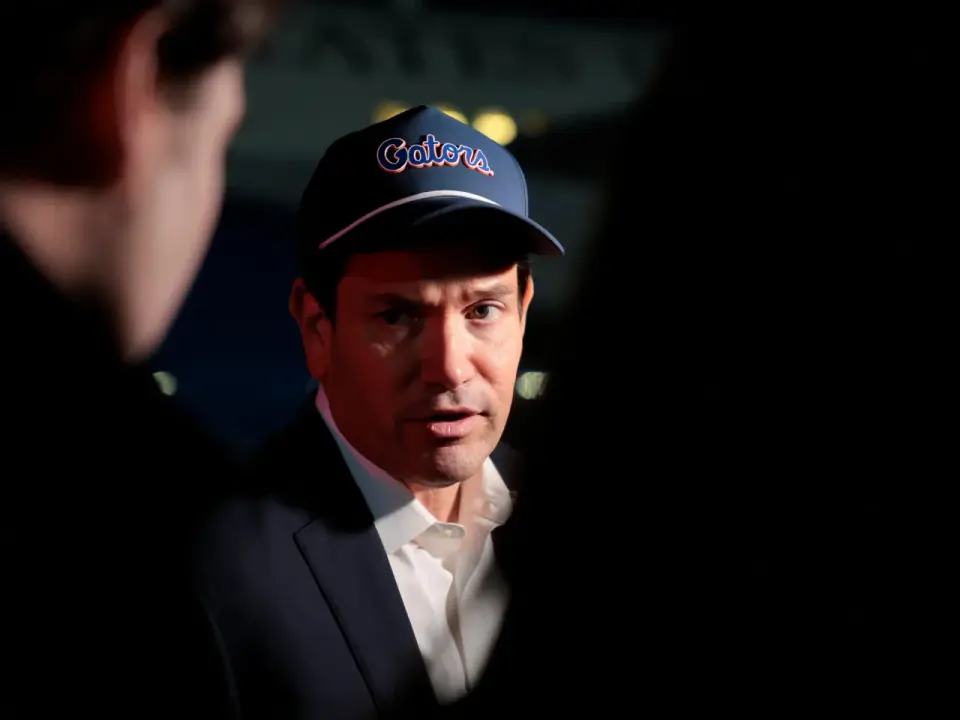
US Secretary of State Marco Rubio stated that Ukraine lacks access to the military-grade Starshield satellite network for deep strikes into Russia, calling the request 'under discussion.' While Rubio denied that Washington deliberately throttled the service, Ukrainian President Volodymyr Zelenskyy reported that speed restrictions on the network are preventing the interception of Russian drones. The dispute highlights a breakdown in communication between Kyiv, the White House, and SpaceX, occurring alongside US sanctions waivers on Russian oil.
Key points
- Rubio confirmed at Joint Base Andrews that Starshield is unavailable to Ukraine for offensive strikes, distinguishing it from the commercial Starlink service.
- Zelenskyy reported that Starlink speeds in Ukraine are capped at 161 km/h, causing drone disconnections, while the same systems function at 180 km/h in the EU.
- Rubio called claims of deliberate US interference 'categorically false,' stating the White House did not order speed reductions.
- Zelenskyy criticized the US waiver of sanctions on Russian oil, arguing it emboldens President Vladimir Putin to continue attacks.
- Ukrainian officials described a lack of clear communication, with SpaceX blaming the government and the White House blaming Musk.
Background
This conflict follows the US invitation of Russian President Vladimir Putin to the December G20 summit in Miami, a move criticized by European allies as normalizing aggression. The current satellite dispute occurs amid a nearly five-year war, where Kyiv has struggled to maintain an energy ceasefire due to continued Russian strikes on power infrastructure.
How outlets are covering it
Outlets highlight a stark disagreement on the cause of the restrictions. Al Jazeera and CBS News report that Rubio and Trump deny any White House involvement in slowing the network. Conversely, Axios and CBS News note that Ukrainian officials and sources within SpaceX suggest the limits may stem from a political decision by the Trump administration or Musk, despite official denials. Zelenskyy’s testing of the system in the EU versus Ukraine is cited by multiple sources as evidence that the restrictions are geographically targeted rather than technical.
Why it matters
The inability to use Starshield and Starlink at full speed compromises Ukraine’s ability to intercept Russian jet-powered drones and conduct long-range strikes. This technical limitation coincides with US policy shifts, including sanctions waivers on Russian oil, which Kyiv argues reduces pressure on Moscow and may influence the outcome of the ongoing conflict.
What to watch
Ukraine’s chief negotiator, Rustem Umerov, is set to meet with US envoy Jared Kushner next week to discuss the satellite issue and a potential peace deal. Zelenskyy expects further sanctions waivers on Russian oil, while the US and Ukrainian teams will continue military and diplomatic dialogue to resolve the Starshield access dispute.
- Rubio says Ukraine without access to Starshield, future ‘under discussion’ Al Jazeera
- Trump says neither he nor Musk responsible for Ukraine loss of Starlink access Reuters
- Zelensky says Musk-owned satellite system still restricted in Ukraine Axios
- Ukraine still unable to intercept Russian drones due to Starlink restrictions, Zelenskyy says CBS News
- Exclusive: Musk approached Trump to slow down Starlink in Ukraine The Telegraph
Want the full story? Read the original reporting
Read on Al Jazeera