
Rubio: US Halts Iran Strikes as Economic Pressure Yields Results
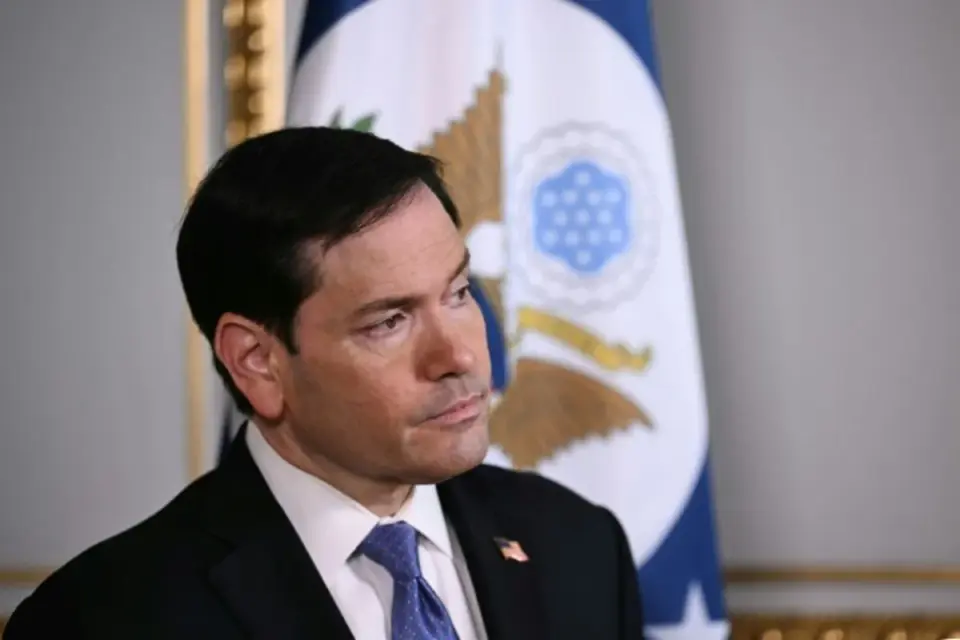
US Secretary of State Marco Rubio stated at the G7 foreign ministers meeting in Paris that there is no current need for major combat operations against Iran, citing the effectiveness of economic sanctions and naval blockades. While Washington pauses military strikes, Tehran denies active negotiations, and European allies urge a diplomatic resolution to avoid a prolonged stalemate.
Key points
- Rubio told G7 allies that economic pressure is achieving objectives previously requiring military action, citing 'extraordinary' pain inflicted on Iran's economy.
- President Trump has decided to hold off on strikes after appeals from regional allies, including Qatar's Prime Minister, who met with him in Washington.
- Iran’s Supreme National Security Council chief Mohsen Rezaei dismissed reports of ongoing talks with the US, labeling them as attempts to lower energy prices.
- Three tankers were damaged in the Strait of Hormuz, with the IRGC blaming unauthorized routes, highlighting continued regional instability.
- European G7 members, including France and the UK, warned that the current 'no war, no peace' status quo is economically damaging and unstable.
Background
The conflict erupted on February 28, 2026, following the killing of Supreme Leader Ali Khamenei. Prior to this week, Israeli officials had monitored Iran’s military recovery, and the US had maintained decades of sanctions aimed at curtailing oil revenue and IRGC funding. Recent midterm elections saw Republicans attribute their defeat to the war, with Vice President JD Vance stating the conflict was the primary reason for the loss.
How outlets are covering it
Rubio and the US administration view the pause in combat operations as a strategic success, arguing that economic measures are more effective than strikes. In contrast, European G7 members, led by French Foreign Minister Jean-Noel Barrot and British counterpart Ed Miliband, expressed concern over the lack of a stable equilibrium, urging an 'all-out diplomatic effort' to prevent further escalation. While Washington sees momentum, Tehran’s security chief Rezaei denies any negotiations are taking place, creating a significant gap in diplomatic posture. Additionally, internal US views differ, with some advisers preferring a deal while Trump believes a tenable agreement is currently impossible.
Why it matters
The decision to pause major combat operations signals a shift in US strategy from kinetic force to economic coercion. This move impacts global energy markets, as the naval blockade continues to restrict Iranian oil supplies, and influences inflation rates, with the Dallas Federal Reserve citing the conflict as a driver for further interest rate hikes. The diplomatic standoff also affects regional security, particularly regarding the Strait of Hormuz and the potential for proxy conflicts.
What to watch
The US will continue to monitor Iran’s adherence to economic pressures, with Rubio warning that crossing 'red lines' will result in a 'terrible price' for Tehran. Diplomatic efforts may intensify as economic realities impact Iran’s ability to fund its security forces. European nations are expected to push for a new security architecture in Lebanon and a resolution to the Strait of Hormuz tensions to prevent a return to active conflict.
- Rubio sees 'no need' for major combat operations against Iran Yahoo
- Iran war live: Rubio says no need for major combat operations in Iran Al Jazeera
- Rubio says no need for major combat operations against Iran given US economic campaign Miami Herald
- Rubio Sees No Iran Breakthrough as Trump Downplays Strikes Bloomberg.com
- Rubio tells G7 US will keep imposing 'devastating' costs on Iran, diplomats say Reuters
Want the full story? Read the original reporting
Read on Yahoo