
Trump Declares Iran Conflict 'Effectively Over' Amid Diplomatic Push
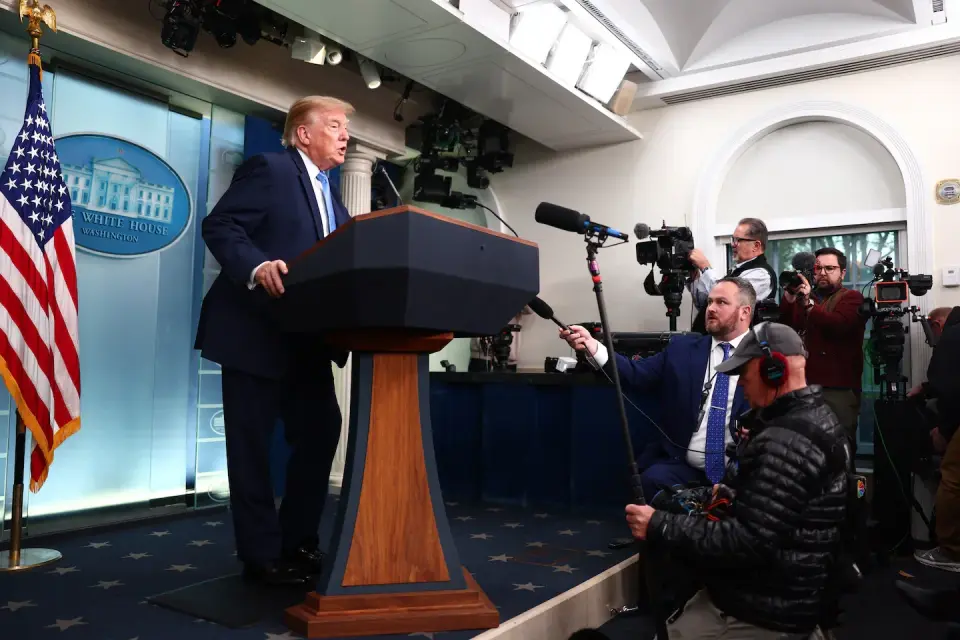
President Donald Trump stated on November 9 that new military strikes against Iran are 'highly unlikely' as the US maintains a naval blockade. He described Iran as 'militarily effectively over' due to destroyed naval assets and economic inflation. The shift follows Republican losses in the midterm elections, which blamed the conflict on soaring living costs. While oil prices dropped on the news of de-escalation, Iranian officials denied active negotiations, and the US retained the option to resume attacks if circumstances change.
Key points
- Trump told reporters in the White House that the conflict could end 'fairly soon' and that Iran is 'talking very politely' with Washington.
- The administration is maintaining the 'status quo,' including a naval blockade and 'Operation Iron Gate,' a task force preventing Iran from using ground routes for weapons.
- Trump cited the destruction of Iran's navy and surging inflation as reasons the country is 'militarily effectively over.'
- Iranian officials, including Supreme National Security Council secretary Mohsen Rezaei, disputed the existence of talks, calling reports of negotiations 'fake news.'
- Oil prices fell, with Brent crude dropping over 1% to $91.56 and US West Texas Intermediate falling to $85.80 per barrel.
- Republican losses in the midterm elections, attributed by figures like VP JD Vance to the war's economic impact, prompted a toning down of military rhetoric.
Background
The current diplomatic posture contrasts with earlier weeks when Trump hinted at post-midterm strikes and Iran threatened unrestricted retaliation. Previous coverage noted internal US tensions over defense leadership and stalled negotiations in Doha. The conflict, which began in February with joint US-Israeli strikes, has driven global fuel prices higher and disrupted air travel in the Gulf region.
How outlets are covering it
The Washington Post emphasized Trump's insistence on the 'status quo' and progress in negotiations. CNBC highlighted the economic impact, noting that the administration toned down war rhetoric after Republicans lost both chambers of Congress due to voter frustration with high living costs. BBC focused on the contradiction between Trump's claim that the war is 'militarily over' and his assertion that the US remains 'locked and loaded' for potential future strikes. While the US and Qatari mediators reported positive discussions, Iranian officials firmly rejected the narrative of active talks, creating a significant gap in diplomatic positioning.
Why it matters
The de-escalation signals provide temporary relief to global markets, evidenced by falling oil prices, but the lack of a formal peace agreement leaves regional security fragile. The political fallout from the midterm elections suggests a shift in US foreign policy priorities, prioritizing domestic economic stability over military escalation. However, the retention of military readiness and unresolved sanctions issues means the risk of renewed conflict remains high.
What to watch
Washington is reviewing a two-day proposal from Iran that demands the lifting of sanctions and a new shipping route in the Strait of Hormuz. The US will monitor whether Iran takes negotiations seriously, as Trump warned he could reverse course if talks stall. Oil markets will continue to react to any shifts in diplomatic rhetoric or military posturing in the Middle East.
- Trump says he’s keeping ‘status quo’ with Iran, with no need for new strikes The Washington Post
- Trump tells Reuters that Qatar, Saudi Arabia want peaceful Iran deal, US ready for strikes if needed Reuters
- Trump says Iran war to end 'fairly soon,' plays down prospects of new strikes CNBC
- US-Iran war: Trump says more US attacks on Iran 'highly unlikely' BBC
- Oil Futures Slide as Trump Says New Strikes on Iran Unlikely WSJ
Want the full story? Read the original reporting
Read on The Washington Post