
Trump delays Iran strike decision until 2027, citing stalled talks and naval blockade
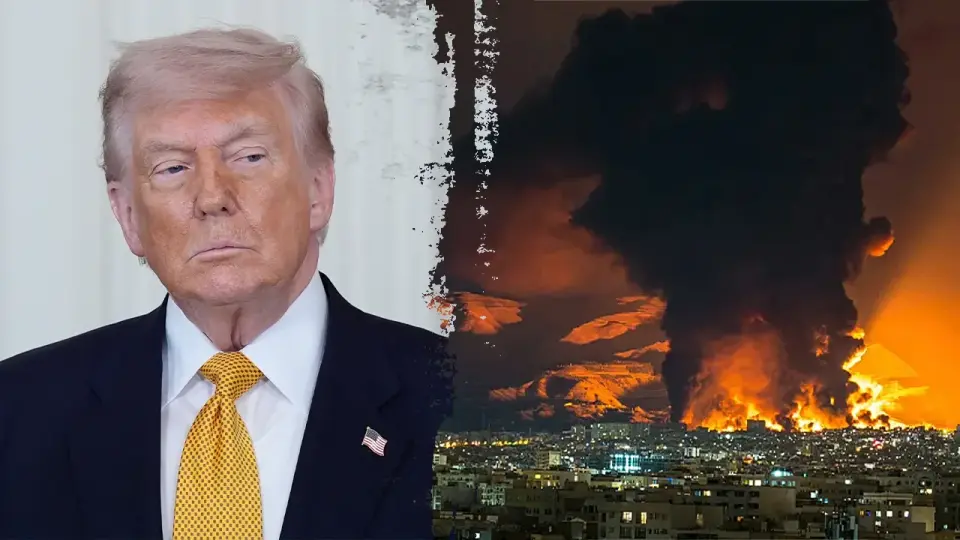
President Donald Trump indicated he may order fresh military strikes against Iran after January 1, 2027, if diplomatic talks fail. He dismissed ongoing negotiations as stalling tactics, while maintaining a naval blockade of Iranian ports. The U.S. has conducted limited strikes on Qeshm Island, but major hostilities have subsided. Trump’s decision is complicated by recent midterm election losses, which shifted the administration’s focus from diplomacy to economic pressure. Israel is reportedly pushing for a joint strike campaign, but the White House is weighing intelligence on Iran’s potential response. Iran’s foreign ministry rejected U.S. allegations regarding biological weapons, comparing them to past WMD justifications.
Key points
- Trump told Fox News and Reuters he is not rushing into major decisions on Iran, stating 'We’ve got time' and suggesting actions may occur after January 1, 2027.
- The U.S. maintains a naval blockade of Iranian ports and has conducted limited strikes on Qeshm Island in the Strait of Hormuz, though major hostilities have subsided after nearly nine months.
- Trump accused Iranian negotiators of stalling and escalating hostilities, calling them 'professional tap dancers' and dismissing diplomatic talks as meaningless.
- Israel’s Prime Minister Benjamin Netanyahu is reportedly pushing for a four-to-seven-day joint airstrike campaign, citing Iran’s rebuilding of missile and drone arsenals.
- The U.S. midterm elections resulted in Democratic control of Congress, with voters rebuking the Republican Party over the Iran war and economic fallout, complicating Trump’s decision-making window.
- Iran’s foreign ministry spokesperson Esmaeil Baqaei refuted U.S. claims about biological weapons, comparing the narrative to the 2003 Iraq WMD justifications.
Background
The U.S.-Iran conflict has persisted for nearly nine months, with major hostilities subsiding but tensions remaining high. Previous coverage noted Senator Chris Murphy’s warnings against post-election strikes and Vice President JD Vance’s attempts to revive diplomatic talks, which Trump publicly denied authorizing. Israel’s security cabinet had ordered increased military readiness, while Tehran warned of global retaliation. U.S. intelligence had reported advanced Iranian plots, prompting military readiness and a naval blockade that crippled Iran’s oil revenue. Recent internal Israeli disagreements and political uncertainty have complicated immediate strike options, with some military leaders opposing non-urgent actions during a political transition.
How outlets are covering it
Fox News emphasized Trump’s frustration with Iranian stalling and his willingness to escalate after the new year, highlighting his dismissive tone toward diplomacy. Time Magazine focused on the timing of potential strikes, noting Trump’s comments to multiple outlets about delaying decisions until 2027 and the influence of the midterm election results. Time also detailed Israel’s push for a joint strike and the White House’s consultation with the Pentagon on potential responses, while Fox News highlighted Trump’s direct message to Iranian protesters to 'keep protesting.' Both sources agreed on the naval blockade and limited strikes but differed in emphasis: Fox News stressed Trump’s aggressive rhetoric, while Time highlighted the diplomatic and political constraints on military action.
Why it matters
The potential for renewed U.S. strikes on Iran could escalate regional conflict, disrupt global energy markets, and impact economic stability. The delay until 2027 allows for continued diplomatic efforts but risks prolonged tension. The U.S. naval blockade and economic sanctions aim to pressure Iran without immediate military escalation, but the risk of miscalculation remains high. The midterm election results have shifted the political landscape, with Democrats now controlling Congress, which may limit Trump’s ability to authorize large-scale military operations. Israel’s push for a joint strike adds another layer of complexity, potentially drawing the U.S. into a broader conflict. Iran’s rejection of U.S. allegations regarding biological weapons underscores the deep mistrust between the two nations, making diplomatic resolution difficult.
What to watch
Watch for any announcements from the White House or Pentagon regarding military planning for 2027. Monitor diplomatic channels, particularly those mediated by Qatar, for signs of renewed talks. Observe Iran’s response to the naval blockade and any potential escalation in the Strait of Hormuz. Track Israel’s military readiness and any joint planning with the U.S. for potential strikes. Follow the U.S. Congress’s actions on war powers and funding for military operations. Watch for any intelligence reports on Iran’s biological or chemical weapons programs, which could influence U.S. decision-making.
- Trump warns of new strikes against Iran after new year, calls negotiators ‘professional tap dancers’ Fox News
- The War Room newsletter: Will America or Iran blink first? The Economist
- ‘We’ve Got Time’: Trump Suggests Iran War Will Continue Into 2027 Time Magazine
- Opinion | President Trump’s Choice in Iran WSJ
- Trump considering new Iran strikes as US military warns of strain on forces Financial Times
Want the full story? Read the original reporting
Read on Fox News