
Trump Escalates Hormuz Standoff by Demanding Iran Pay for Decades of Casualties
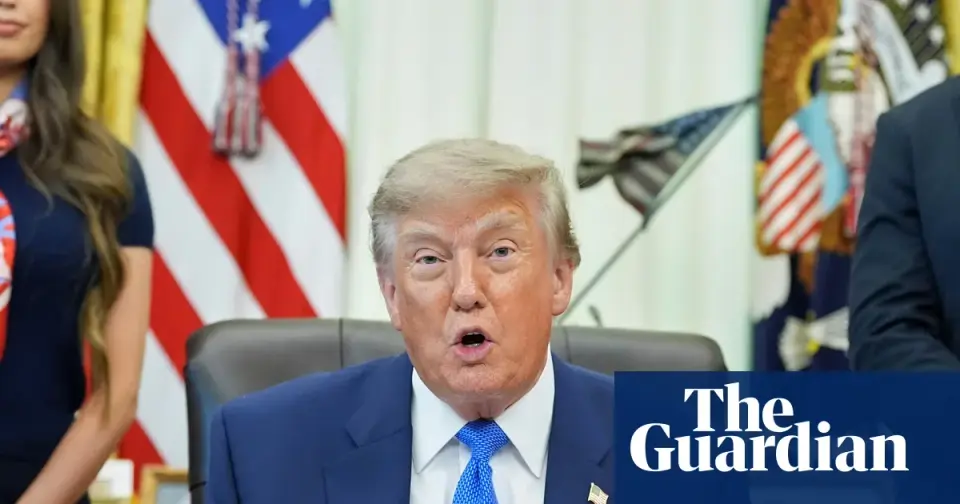
President Donald Trump has demanded that Iran pay compensation for US military deaths and Iranian civilian casualties, a move intended to counter Tehran’s own reparations demands. This escalation has stalled negotiations to reopen the Strait of Hormuz, driving oil prices higher and complicating US efforts to end conflicts in the Middle East before the November midterm elections.
Key points
- Trump posted on Truth Social demanding Iran compensate families of US soldiers killed in conflicts, including the 2000 USS Cole attack, and Iranian protesters killed over the last 50 years.
- The demand follows Iran’s Supreme National Security Council setting conditions for reopening the Strait of Hormuz, including lifting US sanctions and paying for war damage.
- Trump instructed negotiators to include these compensation demands in all future talks, while Iran’s Foreign Ministry stated the blockade cannot be lifted through diplomacy alone.
- Oil prices rose more than 10% in the past week as Brent crude approached $90 per barrel, reflecting fears of prolonged supply disruptions.
- Trump’s demands extend to casualties in Lebanon, Syria, Yemen, and Gaza, broadening the scope of potential reparations beyond the immediate US-Iran conflict.
Background
The current standoff follows a failed June memorandum of understanding between the US and Iran. Previous archive coverage noted that the conflict has already claimed 18 US service members' lives and led to intensified airstrikes. Trump had previously threatened 'decapitation' strikes if Iran did not agree to a peace deal, but recent rhetoric has shifted toward economic pressure and negotiation, albeit with new, contentious conditions.
How outlets are covering it
The Guardian frames Trump’s demand as a sign of an impasse in negotiations, noting that such a broad claim is likely a nonstarter for Tehran. Fox News emphasizes Trump’s strategic move to counter Iran’s reparations demand, highlighting his instruction to include this in all future talks. USA Today focuses on the financial aspect, noting that Trump’s demand is a response to Iran’s push for money for war damage. CBS News highlights the market impact, noting that oil prices are rising as both sides 'weaponize the oil barrel' without firing another shot, with analysts describing the situation as a 'game of chicken.'
Why it matters
The failure to reach a deal on the Strait of Hormuz threatens global energy supplies, as 20% of world oil trade flows through the waterway. Rising oil prices could exacerbate inflation in the US, potentially hurting Republican candidates in the November midterm elections. The broadening of compensation demands to include regional conflicts may further complicate peace efforts in Gaza and Lebanon, where Israel has already rejected US-backed peace plans.
What to watch
Negotiations between Iran and Oman regarding a new shipping route through the Strait of Hormuz are ongoing but stalled. Trump has declined to specify if Iran has exhausted its chances for a deal, maintaining ambiguity about potential military action. Oil markets will likely remain volatile as long as the blockade persists, with potential interest rate hikes in the US due to inflation concerns.
- Trump demands Iran pay compensation for decades of US soldier deaths The Guardian
- Trump demands Iran compensate Americans and protesters after Tehran seeks war reparations Fox News
- Trump demands Iran pay US 'for all the people they have killed' USA Today
- Hopes for Hormuz deal fade as Trump demands Iranian reparations Reuters
- Live Updates: Trump demands Iran pay compensation after Tehran makes conditions for reopening Strait of Hormuz CBS News
Want the full story? Read the original reporting
Read on The Guardian