
Trump’s ‘Energy Ceasefire’ Claim Confounds Kyiv and Moscow as Strikes Continue
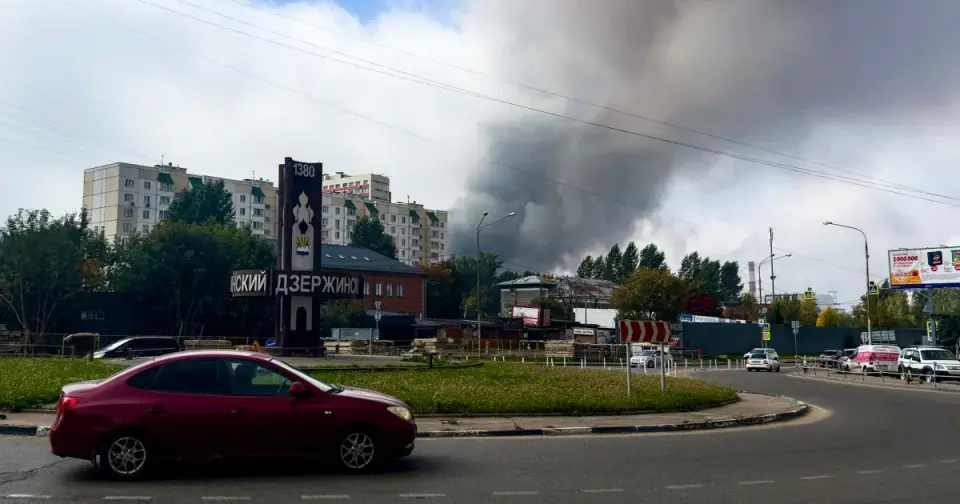
President Trump announced a sudden 'energy ceasefire' between Russia and Ukraine on October 11, 2026, but Ukrainian President Zelenskyy called it 'news for me' and demanded verification. While Trump claimed both sides agreed to stop attacks on energy infrastructure, Moscow has not confirmed the deal, and Russian strikes on Ukrainian power grids continued immediately after the announcement. The move follows a controversial US-Russia diesel deal and Trump’s public call for Zelenskyy to be replaced, highlighting a deepening rift between Washington and Kyiv.
Key points
- Trump posted on Truth Social that an 'energy ceasefire' is effective immediately, demanding both parties not break it, but provided no specific details or timeline.
- Zelenskyy stated he was unaware of any agreement but said Ukraine would accept the ceasefire if Russia reciprocates, emphasizing the need for 'clear details' from the US.
- The announcement follows a Friday deal where the US lifted sanctions on Russian diesel in exchange for 300,000 tons of fuel, a move Zelenskyy criticized as prolonging the war.
- Trump publicly suggested Ukraine should 'get a new leader' who can make deals, prompting Zelenskyy to offer elections only if Russia agrees to a 60-day total ceasefire.
- Russian military strikes on Ukrainian energy infrastructure and a grocery store in Kharkiv continued on October 11, contradicting the claimed ceasefire.
Background
This development follows a similar, unverified claim by Trump in September 2026, which Zelenskyy rejected as lacking verifiable commitments. The current crisis is exacerbated by rising global fuel prices, with analysts noting that the Iran conflict and Strait of Hormuz closures contribute significantly to diesel costs, a factor Trump has largely attributed to the Ukraine war.
How outlets are covering it
NBC News and CNN report that the announcement caught Ukrainian officials off guard, with Zelenskyy calling it 'news for me.' The Guardian highlights that European allies, including France and the EU Commission, expressed support for Zelenskyy and skepticism about Moscow's commitment. BBC notes that Trump’s pattern of announcing deals before they are finalized has created a 'scramble' among affected parties. While Trump frames this as a victory for lowering fuel prices, Zelenskyy and European leaders argue that the root cause of price hikes is the Middle East conflict, not Ukraine.
Why it matters
The credibility of US-led peace efforts is tested as conflicting signals from Washington, Kyiv, and Moscow create diplomatic uncertainty. If the ceasefire fails, it may deepen the rift between the US and Ukraine, potentially affecting military aid and intelligence sharing, while failing to address the primary drivers of global fuel price inflation.
What to watch
Watch for official confirmation from the Kremlin and specific terms from the White House. Monitor whether Russian strikes on Ukrainian energy infrastructure cease in the coming 24-48 hours. Observe if Zelenskyy’s offer of elections contingent on a 60-day ceasefire gains traction or is dismissed by Washington.
- Trump claims Russia and Ukraine agree to energy ceasefire, but Zelenskyy says this is ‘news for me’ NBC News
- Trump claims Ukraine and Russia have agreed to energy ceasefire CNN
- Donald Trump claims Ukraine and Russia have agreed to ‘energy ceasefire’ – live updates The Guardian
- Live updates: Trump claims Russia-Ukraine energy ceasefire; Zelensky rips diesel deal The Hill
- Trump says Ukraine and Russia agree 'energy ceasefire' - follow live BBC
Want the full story? Read the original reporting
Read on NBC News