
Trump’s G20 Invite to Putin Divides Europe as Kremlin Weighs Decision
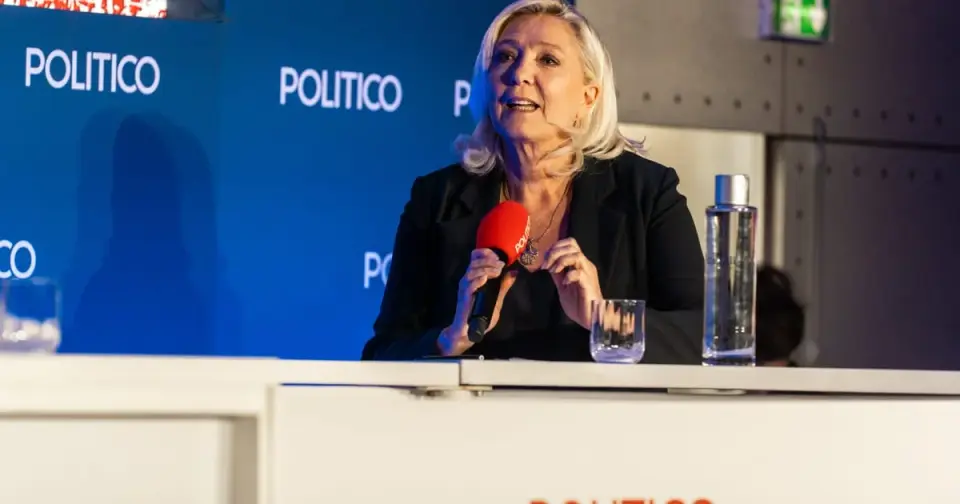
U.S. Secretary of State Marco Rubio confirmed that President Donald Trump has invited Russian President Vladimir Putin to the December G20 summit in Miami. This would be Putin’s first in-person attendance since 2019. While the Kremlin has not yet accepted, the move has sparked sharp criticism from European leaders who fear it normalizes Russian aggression, even as French far-right leader Marine Le Pen supports the initiative as a step toward ending the war.
Key points
- Secretary of State Marco Rubio announced the invitation on September 23, framing it as an opportunity for Putin to engage with world leaders and potentially meet Trump.
- Kremlin spokesperson Dmitry Peskov stated that Moscow 'truly appreciates' the invitation but has not made a final decision on attendance, calling it premature to discuss specific agenda items.
- EU foreign affairs chief Kaja Kallas and Polish Prime Minister Donald Tusk criticized the move, warning that normalizing Putin’s presence could encourage further Russian attacks on Ukraine.
- Marine Le Pen, a leading candidate for the 2027 French presidential election, welcomed the invite, arguing that any initiative to end the 'slaughter' in Ukraine is welcome, while criticizing President Emmanuel Macron’s diplomatic efforts.
- The invitation occurs amid stalled peace talks, recent U.S. sanctions on Russian energy buyers, and a proposed 'energy truce' between Russia and Ukraine regarding strikes on infrastructure.
Background
This development follows a series of contentious U.S.-Russia interactions in 2026, including Trump’s earlier invitation of Russian Finance Minister Anton Siluanov to a G20 finance meeting in Asheville, which drew similar European backlash. It also occurs as the U.S. prepares for the 2027 G20 summit in Manchester, UK, and amid ongoing tensions regarding the International Criminal Court, where Trump has urged member nations to resign over warrants for Putin and Israeli Prime Minister Benjamin Netanyahu.
How outlets are covering it
Outlets highlight a stark divide in international reactions. POLITICO and The New York Times emphasize the diplomatic rift within Europe, noting that while the U.S. seeks reintegration of Moscow, allies like Germany and the UK are alarmed by the normalization of a leader accused of war crimes. Al Jazeera and CNBC focus on the strategic implications, noting that the invite coincides with a proposed 'energy truce' and recent U.S. sanctions legislation, suggesting a complex and contradictory U.S. approach to ending the war. Le Pen’s support, reported by POLITICO, contrasts with the broader European consensus, reflecting the polarized views within French politics ahead of the 2027 election.
Why it matters
The G20 invitation signals a potential shift in U.S. foreign policy toward direct engagement with Russia, despite ongoing conflict in Ukraine. It tests the cohesion of Western alliances and raises questions about the effectiveness of diplomatic pressure versus sanctions. The outcome could influence the trajectory of the war, the status of U.S.-European relations, and the future of international legal frameworks regarding war crimes.
What to watch
The Kremlin is expected to make a formal decision on Putin’s attendance in the coming weeks. European leaders are likely to coordinate a response, potentially raising the issue at the G20 level. U.S. negotiators, including Jared Kushner and Steve Witkoff, are expected to continue dialogue with Russian envoys to keep peace talks alive, while the U.S. and Ukraine may formalize an 'energy truce' to reduce strikes on infrastructure.
- Le Pen welcomes Trump’s G20 invite for Putin politico.eu
- Trump invites Putin to Miami G20: Why that matters Al Jazeera
- Russia ‘truly’ appreciates U.S. invite to G20 summit — but hasn't decided if Putin will go CNBC
- Trump Invites Putin to Attend Group of 20 Summit in Miami The New York Times
- Poland's Tusk says inviting Putin to G20 may encourage Russian aggression Reuters
Want the full story? Read the original reporting
Read on politico.eu