
US Deploys Third Carrier to Iran as Oil Prices Spike and Diplomatic Talks Stall
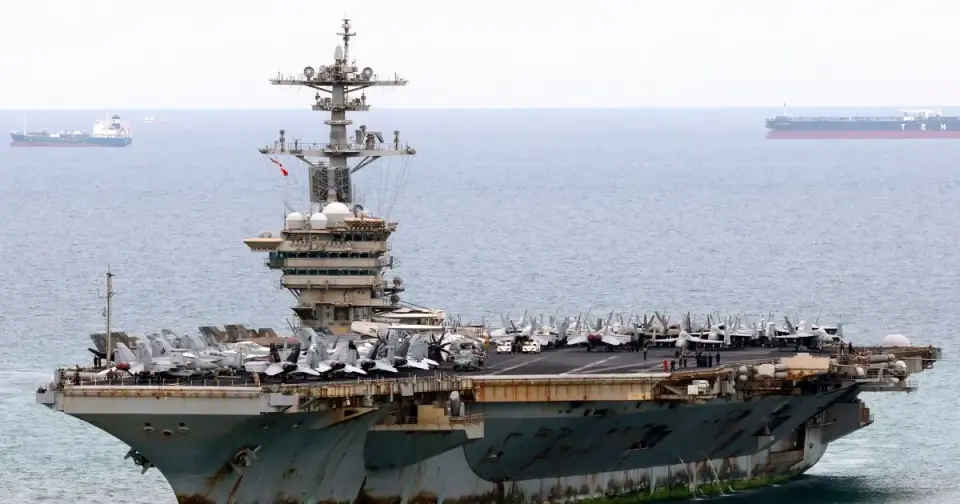
The US is deploying the USS Theodore Roosevelt carrier strike group and over 2,000 Marines to the Middle East, bringing total regional forces to approximately 60,000. This move aims to pressure Iran ahead of November midterms, while oil prices surge past $100 a barrel due to supply fears. Diplomatic efforts have stalled after Trump rejected Iran's proposal to reopen the Strait of Hormuz in exchange for sanctions relief.
Key points
- The USS Theodore Roosevelt left San Diego on October 1, joining the USS George H.W. Bush and USS George Washington in the region by late November.
- The deployment adds roughly 10,000 personnel, including the Makin Island Marine Expeditionary Force, to the existing 50,000 US troops in the Middle East.
- Brent crude rose 4.4% to $102.31 per barrel, driven by fears of escalation and attacks on tankers in the Strait of Hormuz.
- The US Treasury sanctioned Iran’s major automakers and rail companies, while Iran’s oil exports dropped to zero in September.
- Iran proposed a seven-day roadmap to reopen the Strait of Hormuz and resume nuclear talks, but Trump rejected the plan, citing global sanctions and UN resolutions.
Background
This escalation follows months of intermittent conflict and diplomatic deadlocks. In August, Trump indicated no timetable for negotiations, relying on economic pressure. In September, Iran targeted a US base in Jordan, and US officials expressed doubt about achieving a nuclear deal. The current deployment marks a significant shift from previous deterrence strategies to a more robust military posture.
How outlets are covering it
Al Jazeera emphasizes the strategic intent to keep military options open for Trump regardless of diplomatic outcomes, noting the Pentagon’s refusal to withdraw assets even if a deal is reached. Fox News highlights Trump’s rhetoric, claiming Iran’s military and economic infrastructure is decimated, and frames the deployment as a decisive move to end the war quickly. CNBC focuses on market impacts, linking the carrier deployment to rising oil prices and global fuel shortages, while noting that crude flows have partially recovered but remain fragile due to tanker attacks. All sources agree on the scale of the deployment but differ on its likely outcome: Al Jazeera sees it as leverage, Fox News as a path to victory, and CNBC as a driver of economic instability.
Why it matters
The deployment signals a potential shift from diplomatic pressure to direct military confrontation, risking a broader regional war. Simultaneously, the surge in oil prices and fuel shortages could trigger global economic repercussions, affecting energy costs and supply chains worldwide. The failure of diplomatic talks suggests that military escalation may become the primary tool for US-Iran relations in the near term.
What to watch
The USS Theodore Roosevelt is expected to arrive by late November. Trump has hinted at potential strikes after the midterms, while Iran maintains its readiness for war. Oil markets will likely remain volatile, with diesel prices already at record highs. Diplomatic channels remain open but stalled, with Iran’s proposal rejected and no new US counter-offer announced.
- US to send third aircraft carrier towards Iran: US official to Al Jazeera Al Jazeera
- US deploys thousands more troops, Marines to Middle East as oil prices surge Fox News
- Iran war live: US moves 2,000 Marines to Middle East, tanker hit in Hormuz Al Jazeera
- U.S. Sending Third Aircraft Carrier, Up to 10,000 More Troops, to Middle East WSJ
- Brent oil jumps more than 4% as U.S. reportedly sends third aircraft carrier to Middle East cnbc.com
Want the full story? Read the original reporting
Read on Al Jazeera