
Wright Signals Shift to Military Pressure as US-Iran Nuclear Talks Stall
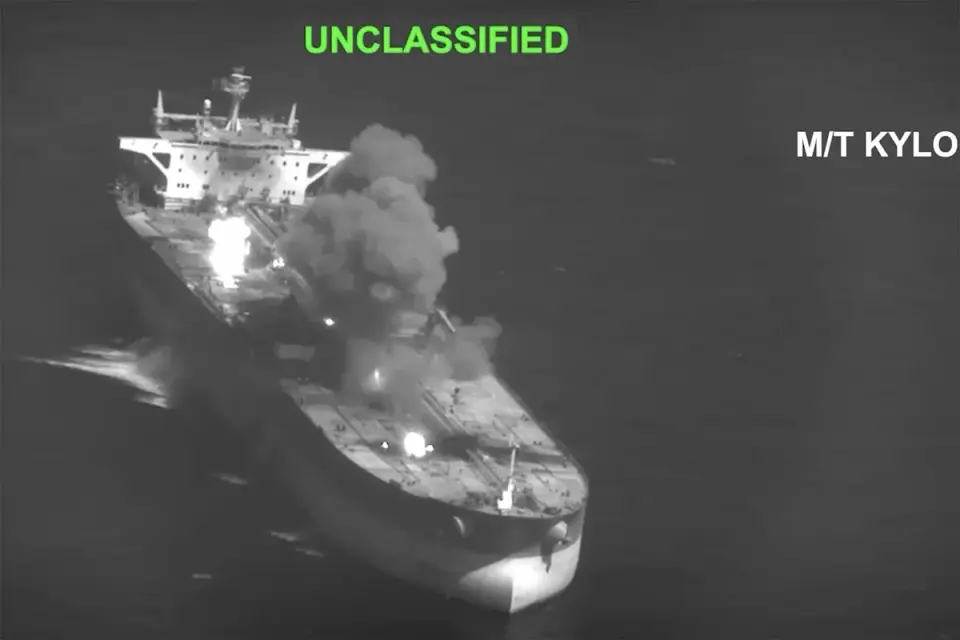
US Energy Secretary Chris Wright stated on Sunday that a negotiated nuclear deal with Iran is unlikely, suggesting the US may instead destroy Tehran's nuclear capabilities through military action. This follows recent US strikes on three Iranian oil tankers in retaliation for Iranian attacks on US naval vessels. While the conflict has entered its seventh month, the US maintains a naval blockade to strangle Iran's economy, aiming to force a policy change or regime shift. Iran has warned of 'faster, heavier' responses to future violations, while acknowledging severe economic pressure from inflation and job losses. The US Navy remains deployed in the region to protect shipping lanes and prevent Iranian oil exports, with Wright describing the situation as an ongoing 'conflict' rather than a formal war.
Key points
- Chris Wright said a nuclear agreement may not happen, implying the US will destroy Iran's nuclear capabilities instead.
- US forces struck three Iranian crude oil carriers near Kharg Island and Jask in retaliation for Iranian missile attacks.
- The US Navy is blocking Iranian oil exports to pressure Tehran economically, aiming for a policy change or new regime.
- Iran's parliament speaker warned of 'faster, heavier' responses but acknowledged severe inflation and unemployment.
- Wright described the current situation as a 'conflict' and stated the US would work with regional allies to achieve its goals.
Background
The US-Iran conflict began on Feb. 28 with airstrikes, leading to a US blockade of Iranian oil exports starting in mid-April. A memorandum of understanding collapsed in July, causing a pause in attacks that recently resumed. Previous coverage noted European reluctance to join a US-led Hormuz patrol and Iran's demand for compensation and sanctions relief before reopening the strait. The World Bank estimates Iran's GDP contracted by 2.7% in the year ending March, with inflation reaching 62.2% in February.
How outlets are covering it
CNBC and Al Jazeera emphasize Wright's comments as a signal that diplomatic hopes are dimming, with Al Jazeera noting the White House's attempt to minimize the conflict as 'small potatoes.' Politico highlights Wright's characterization of the situation as a 'conflict' rather than a war, contrasting with the recent escalation of strikes. All sources agree on the US strategy of economic strangulation and military degradation of Iranian capabilities, but differ on the likelihood of a future deal, with Wright suggesting it may await a new Iranian administration.
Why it matters
The shift from diplomacy to military pressure risks further destabilizing the Strait of Hormuz, a critical global oil route. Disrupted oil flows and soaring energy prices could impact global markets, while the economic pressure on Iran may lead to further internal instability or retaliatory actions. The lack of a clear diplomatic exit strategy could prolong the conflict and increase the risk of broader regional involvement.
What to watch
The US may continue striking Iranian nuclear infrastructure and oil exports if no deal is reached. Iran may escalate its 'proportionate responses' or close the Strait of Hormuz further. Diplomatic talks via mediators like Oman may continue, but progress is unlikely without US concessions. The situation could evolve into a prolonged economic and military standoff, with potential implications for global energy security and regional alliances.
- US Energy Chief Says Navy to Defend Hormuz Until Iran Backs Down Yahoo Finance
- U.S. Energy Secretary Wright says Iran nuclear deal may never happen CNBC
- Trump official says ‘there may not be a nuclear agreement’ with Iran Al Jazeera
- Chris Wright says US is in a ‘conflict’ with Iran Politico
- Wright says Iran war worth it to ‘reset’ Middle East The Hill
Want the full story? Read the original reporting
Read on Yahoo Finance