
US and Israel Coordinate Potential Strikes on Iranian Energy Sites Amid Diplomatic Deadlock
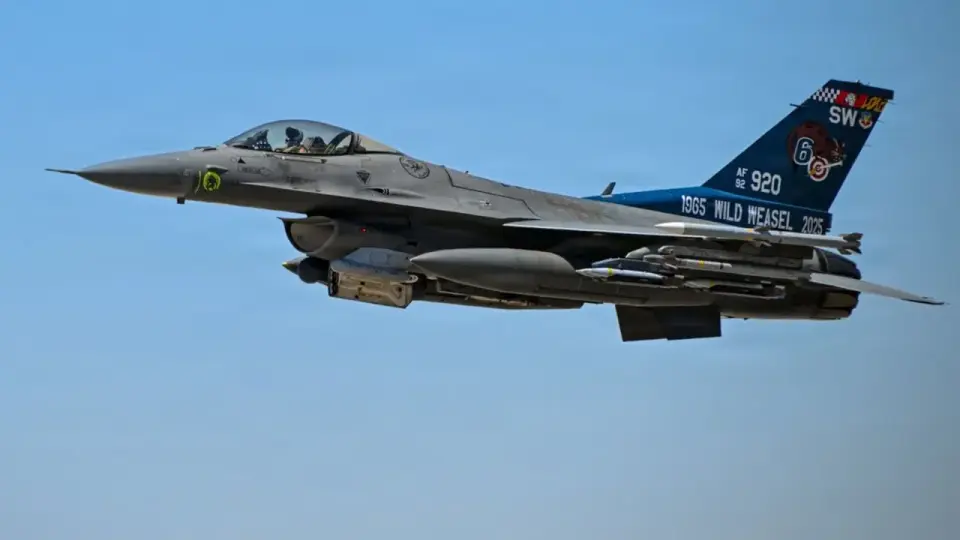
The US and Israel are coordinating a potential wave of strikes against Iranian energy infrastructure, including power plants and refineries, as reported by CBS News. While Israel has been notified and is coordinating with US military officials, President Trump has not yet given final approval, though the Wall Street Journal claims he has authorized the plan. An Israeli official denied the reports, stating Israel is unaware of any decision to restart full military operations. The plan was discussed at a Camp David cabinet meeting, where Trump vowed to hit Iran 'very hard' to prevent a nuclear weapon. Tehran has prepared a 'comprehensive plan' to retaliate against US 'recklessness,' targeting critical infrastructure in Israel and US energy assets in the region.
Key points
- CBS News reports that the US and Israel are planning harsh strikes on Iranian energy infrastructure, potentially beginning over the weekend.
- US sources indicate Israel has been notified and is coordinating with the American military, but Trump has not given final approval.
- The Wall Street Journal contradicts this, reporting that Trump did authorize the plan, with cancellation contingent on diplomatic progress.
- An Israeli official denied the reports, stating Israel is unaware of any decision to restart full military operations or join actions against Iran.
- The plan was discussed at a Camp David cabinet meeting, where Trump asserted the US will win and Iran will not have a nuclear weapon.
- Tehran has prepared a 'comprehensive plan' to respond to potential US strikes, targeting critical infrastructure in Israel and US energy assets in the region.
Background
This development follows a series of escalating tensions in July 2026, including US strikes on Iranian targets to degrade its ability to threaten commercial shipping in the Strait of Hormuz. Trump had previously threatened to bomb Iranian bridges and power plants in response to Iranian attacks on vessels. Additionally, Iranian Foreign Minister Abbas Araghchi recently recounted surviving an Israeli strike that killed Supreme Leader Ali Khamenei, highlighting precise Israeli intelligence and Iran's improved missile readiness. These events occurred amid a fragile Gulf ceasefire and ongoing diplomatic efforts to prevent further regional fronts.
Why it matters
The potential strikes on Iranian energy infrastructure could significantly escalate the conflict, leading to broader regional instability and economic repercussions. The coordination between the US and Israel, despite conflicting reports on approval status, indicates a high level of military readiness. Iran's preparedness to retaliate against US and Israeli infrastructure suggests a high risk of a wider war. The diplomatic deadlock and Trump's strong rhetoric underscore the urgency of the situation, with potential consequences for global energy markets and regional security.
What to watch
The next 48 hours are critical, as the strikes could begin over the weekend if final approval is granted. Diplomatic progress could lead to the cancellation of the strikes, as suggested by US officials. Iran's 'comprehensive plan' for retaliation may be activated if strikes occur, targeting critical infrastructure in Israel and US energy assets in the region. The outcome of the Camp David discussions and any subsequent diplomatic breakthroughs will determine whether the conflict escalates or de-escalates.
Want the full story? Read the original reporting
Read on The Jerusalem Post