
Venezuela Oil Deal Faces Infrastructure and Transparency Hurdles
The US and Venezuela have signed a 100-year agreement granting US-led firms control over 17 oil fields containing an estimated 65 billion barrels of crude. While the deal promises up to $100 billion in investment, experts warn that benefits for the general population may take years to materialize due to severe infrastructure deficits and political instability.
Key points
- The agreement, signed with the private firm North American Blue Energy Partners (NABEP), allows the US to purchase 20% of production at cost.
- Venezuela’s oil production recently exceeded 1 million barrels per day for the first time since 2019, but experts say this is unsustainable without new capital.
- Economists estimate that restoring the electrical grid alone could cost over $15 billion, a prerequisite for developing the new oil fields.
- Investment is expected to arrive gradually, potentially starting at $5 billion annually, rather than the full $100 billion upfront.
- Venezuelan opposition leader María Corina Machado criticized the current government as an 'illegitimate regime' and called for greater transparency in the deal.
Background
This development follows the August 2026 detention of former President Nicolás Maduro in Brooklyn on drug-trafficking charges, which shifted power to acting President Delcy Rodríguez. The current deal builds on earlier reports of a 100-year concession that critics argued ceded national patrimony and raised sovereignty concerns.
How outlets are covering it
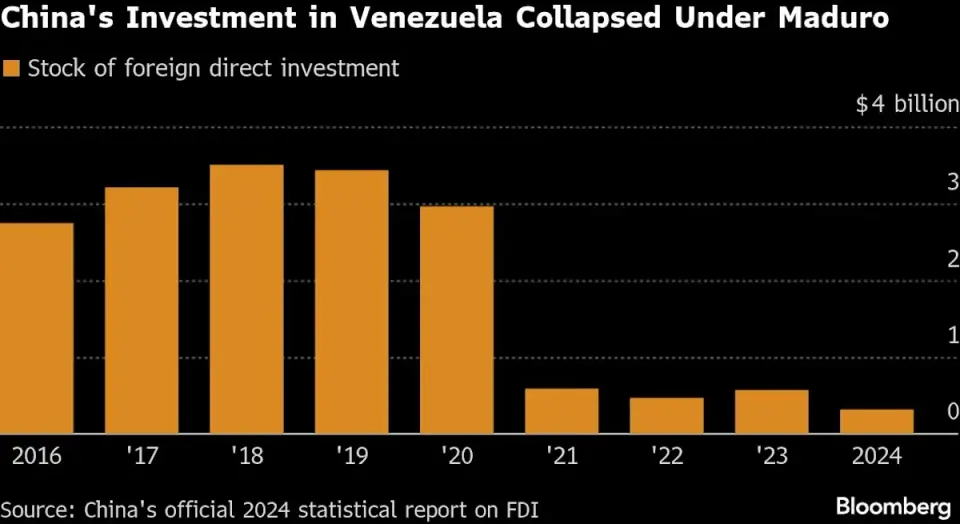
CNN highlights the skepticism of Venezuelan residents and opposition figures, who fear the US will extract maximum profit while local infrastructure remains broken. They emphasize that economic growth does not automatically translate into improved daily services like electricity or water. In contrast, the primary source from Yahoo Finance frames the deal as a strategic move to deny China access to oil and secure billions in debt payments, focusing on the geopolitical and financial leverage gained by Washington rather than the domestic social impact.
Why it matters
The success of this deal could determine whether Venezuela enters a period of economic recovery or faces further social unrest. If the promised investments fail to address basic infrastructure needs, the gap between macroeconomic growth and public perception could deepen political instability in the region.
What to watch
Analysts expect the first tangible benefits to emerge only after significant investments in electrical infrastructure, a process that could take five to ten years. The next critical milestone will be whether the gradual influx of capital, potentially starting at $5 billion per year, can stabilize the currency and improve public services.
- US Grab of Venezuela Denies China Oil, Billions in Debt Payments finance.yahoo.com
- US Grip on Venezuelan Oil Threatens Billions Owed to China Bloomberg.com
- The U.S. Wants the Oil From These 17 Venezuelan Fields nytimes.com
- Donald Trump’s Venezuela deal is bold but dodgy The Economist
- US oil deal promises a flood of investment in Venezuela. When will its people feel the benefits? CNN
Want the full story? Read the original reporting
Read on finance.yahoo.com