
US Proposal to Unfreeze Russian Assets for Peace Talks Rejected by European Allies
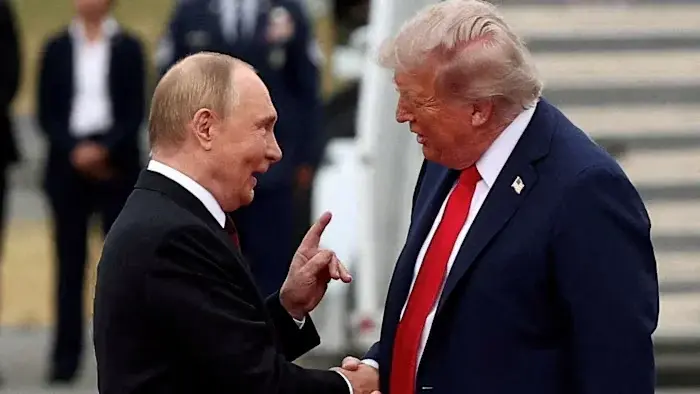
US envoys proposed unfreezing some of the €260bn in frozen Russian assets to restart peace talks with Ukraine, but European officials rejected the plan. The US suggested moving funds into a Washington-controlled vehicle, while Europe insists on retaining control for potential reconstruction costs. This move highlights a sharp divergence in US and European strategies for ending the war.
Key points
- US special envoy Steve Witkoff and Jared Kushner proposed unfreezing some Russian assets during a meeting in Miami last week.
- The US suggested transferring the assets to a special-purpose financial vehicle overseen by Washington to incentivize Vladimir Putin to return to negotiations.
- European delegates from France, Germany, the UK, and the EU rejected the proposal, stating they would not surrender control of the assets or return them to Moscow.
- Western allies froze approximately €260bn of Russian state assets in 2022, with most held in the EU; Ukraine has already received a €45bn loan from interest on these assets.
- The EU requires unanimous consent from all 27 member states to unfreeze assets, making such a move legally and politically unlikely.
Background
This proposal follows a series of diplomatic efforts in 2026, including US envoys meeting Putin in Moscow in September and a controversial US deal to import Russian diesel in October. Earlier in the year, the EU court rejected Hungary's bid to block aid funded by interest from frozen Russian assets, clearing legal hurdles for Ukraine's financial support.
Why it matters
The rejection of the US proposal underscores deepening tensions between Washington and European allies over the management of Russian assets and the strategy for ending the Ukraine war. It highlights the risk of a fragmented approach to peace negotiations, where US incentives may conflict with European legal and political constraints, potentially undermining coordinated diplomatic efforts.
What to watch
The US may continue to explore alternative mechanisms for using Russian assets, while European nations are likely to maintain their stance on retaining control. Future peace talks will need to reconcile these divergent positions, with the EU potentially focusing on using asset interest for reconstruction if Russia fails to pay reparations.
Want the full story? Read the original reporting
Read on Financial Times