
Zelensky Mocks Witkoff’s 'Humanitarian' Praise as Russian Strikes Kill in Kyiv
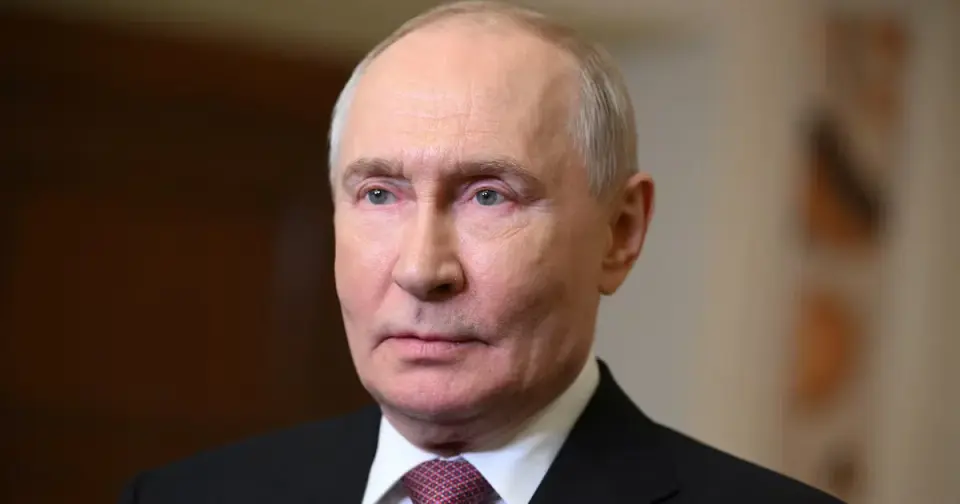
Russian missile strikes on Kyiv killed at least two people and injured 34 shortly after US envoy Steve Witkoff praised Vladimir Putin as a 'humanitarian.' President Zelensky publicly mocked Witkoff’s comments, highlighting the contradiction between diplomatic praise and ongoing aggression. The strikes followed Witkoff’s meeting in St. Petersburg, where he failed to secure a ceasefire despite the release of an American prisoner. The incident deepens tensions between Washington and Kyiv, as the Trump administration continues to prioritize energy deals with Russia over military support for Ukraine.
Key points
- Russian forces launched three waves of ballistic missiles at Kyiv, killing at least one person and injuring 22, with additional strikes in other regions killing another and injuring 12 more, including five children.
- US envoy Steve Witkoff called Vladimir Putin a 'humanitarian' during a meeting in St. Petersburg on October 21, following the release of American citizen Stephen Hubbard.
- President Volodymyr Zelensky quoted Witkoff’s remarks in a post, stating that the strikes were carried out by Russian 'humanitarians' and listing damaged infrastructure, including residential buildings, energy facilities, and a monastery.
- Witkoff’s visit yielded no concessions regarding a ceasefire, as Putin rejected a truce with Kyiv, despite Washington’s efforts to restart peace talks.
- The Trump administration has faced criticism for praising Putin and waiving sanctions on Russian diesel, while Zelensky accused the US of kowtowing to Moscow and undermining Ukraine’s defense.
Background
This incident follows Witkoff’s October 21 meeting in St. Petersburg, where he praised Putin for releasing American prisoner Stephen Hubbard but failed to secure a ceasefire. The Kremlin signaled readiness for trilateral negotiations in November, potentially in Abu Dhabi, while Kyiv insisted on inclusion in all decision-making. The Trump administration’s recent waiver of sanctions on Russian diesel and its push for an 'energy ceasefire' have strained US-Ukraine relations, with Zelensky accusing Washington of prioritizing domestic fuel prices over military support. The ongoing conflict has resulted in significant casualties, including 700,000 deaths since the 2022 invasion, and the International Criminal Court has issued a warrant for Putin over alleged war crimes.
Why it matters
The stark contrast between Witkoff’s diplomatic praise and the immediate Russian strikes underscores the fragility of US-Russia-Ukraine negotiations and the deepening rift between Washington and Kyiv. The incident highlights the risks of prioritizing energy deals and sanctions waivers over military support, potentially undermining Ukraine’s defense capabilities. It also reflects the broader geopolitical tensions as the Trump administration seeks to manage domestic fuel prices amid the Iran conflict, while Zelensky pushes for continued international support. The outcome may influence the November midterms, where Democrats have gained a lead, and could shape future US foreign policy toward the Russia-Ukraine war.
What to watch
The Kremlin has indicated readiness for trilateral negotiations in November, potentially in Abu Dhabi, but Kyiv insists on inclusion in all decision-making. The Trump administration may continue to prioritize energy deals with Russia, while Zelensky is expected to push for increased military support and international condemnation of Russian aggression. The outcome of the November midterms could influence US foreign policy, with Democrats potentially gaining control of both the House and Senate, which may shift the approach to the Russia-Ukraine conflict.
Want the full story? Read the original reporting
Read on The Daily Beast