
Trump's Sanctions Waiver and Diesel Deal Spark Crisis in US-Ukraine Relations
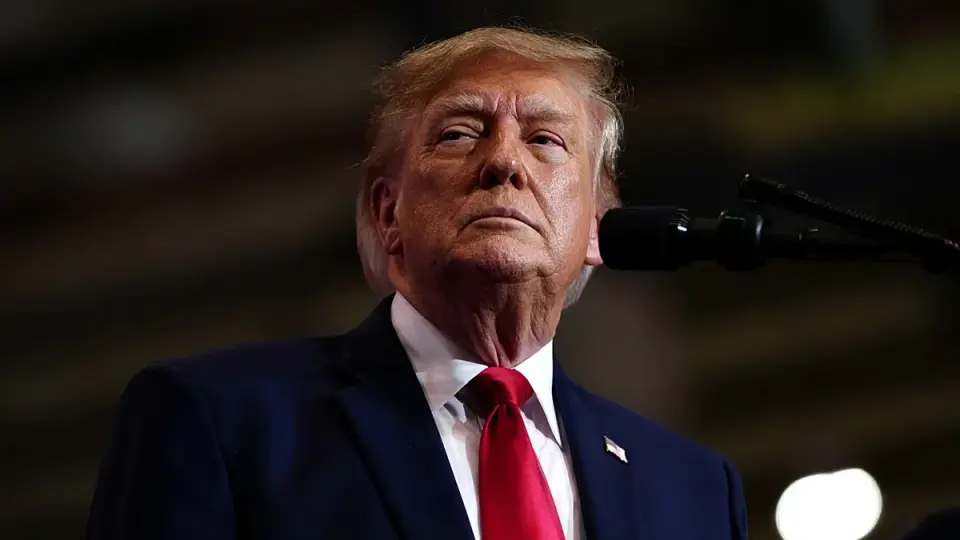
President Donald Trump has abruptly shifted US policy toward Russia, waiving sanctions on Russian diesel and easing restrictions despite signing punitive legislation just weeks ago. This move, coupled with reported delays in US weapons deliveries and restrictions on Starlink satellite access for Ukraine, has alarmed European allies and Kyiv. While Trump frames these actions as efforts to lower global energy costs and force a peace deal, critics argue he is undermining Ukraine to appease Vladimir Putin. European leaders are now exploring direct talks with Moscow, fearing Washington is prioritizing economic deals over security commitments.
Key points
- Trump waived sanctions on Russian diesel exports, effective through April 2027, despite signing the Graham Act in September which imposed heavy penalties on Russia.
- Ukraine reported that access to Starlink and Starshield satellite systems was throttled, limiting its ability to track Russian ballistic missiles, though the White House denied involvement.
- US special envoys Steve Witkoff and Jared Kushner met with both Zelenskyy and Putin, with Witkoff later calling Putin a 'humanitarian' after the release of an American detainee.
- Trump claimed an 'energy ceasefire' was agreed upon, but Ukraine resumed strikes on Russian refineries after Russia continued attacks on Ukrainian energy infrastructure.
- European officials described the situation as 'terrifying,' noting that Trump’s approach treats Ukraine as a weaker party to be sacrificed for a deal with Russia.
Background
This escalation follows months of tension, including Trump’s invitation for Putin to attend the December G20 summit in Miami, which divided European leaders. Recent archive coverage indicates Europe is scrambling to establish direct diplomatic channels with Moscow as US mediation appears to favor Russian interests. Additionally, earlier reports highlighted growing concerns over hybrid warfare and Russian grievances in the Baltic states, underscoring the broader instability in the region.
How outlets are covering it
Euronews emphasizes the 'terrifying' nature of Trump’s alignment with Putin, highlighting the perceived betrayal of Ukraine and the incoherence of US policy. The New York Times frames Trump’s actions as a pursuit of a 'Yalta-style' realpolitik, where great powers dictate terms to smaller nations, excluding Ukraine from the process. Politico focuses on Trump’s unpredictable nature, arguing that his 'wily persistence' makes it impossible for allies to feel secure, even if Democrats win the midterms. Yahoo News provides a detailed timeline of the recent diplomatic maneuvers, noting that while Trump claims to be negotiating peace, energy analysts argue the diesel deal will have minimal impact on US prices due to the ongoing Iran conflict. All sources agree that the US has become a 'sideshow' to the actual peace process, with Europe now feeling compelled to act independently.
Why it matters
The sudden shift in US policy threatens to destabilize the security architecture of Europe and could embolden Russia to escalate its aggression. If Ukraine is forced to cede territory or accept unfavorable terms due to US pressure, it may set a precedent for other nations facing external threats. Furthermore, the erosion of trust between the US and its allies could lead to a fragmented global order, where nations seek alternative security arrangements, potentially weakening the Western bloc’s cohesion against authoritarian regimes.
What to watch
The next critical step is the potential trilateral summit between Trump, Putin, and Chinese President Xi Jinping, which could legitimize Russia’s great-power status. European leaders are also preparing to engage directly with Moscow, potentially offering territorial concessions in exchange for NATO guarantees. In the US, the November midterm elections will determine if Congress can constrain Trump’s foreign policy, though experts doubt this will significantly alter his unilateral actions. Ukraine faces the immediate challenge of defending itself against Russian ballistic missiles while navigating the uncertainty of US support.
- 'Terrifying': Ukraine and Europe on edge as Trump takes Putin's side Euronews
- ‘There Is No Immunity to Donald Trump’ Politico
- Opinion | Trump Is Still Chasing His Yalta. Here’s What He Doesn’t Get. The New York Times
- Trump says Russia 'has been fine on Ukraine' as he makes new deals with Putin. Will his strategy pay off? Yahoo
- NEWSLETTER: Trump's midterm calculus scrambles Ukraine policy Reuters
Want the full story? Read the original reporting
Read on Euronews