
Economic Backlash and Internal Blame Plague GOP Ahead of Midterms
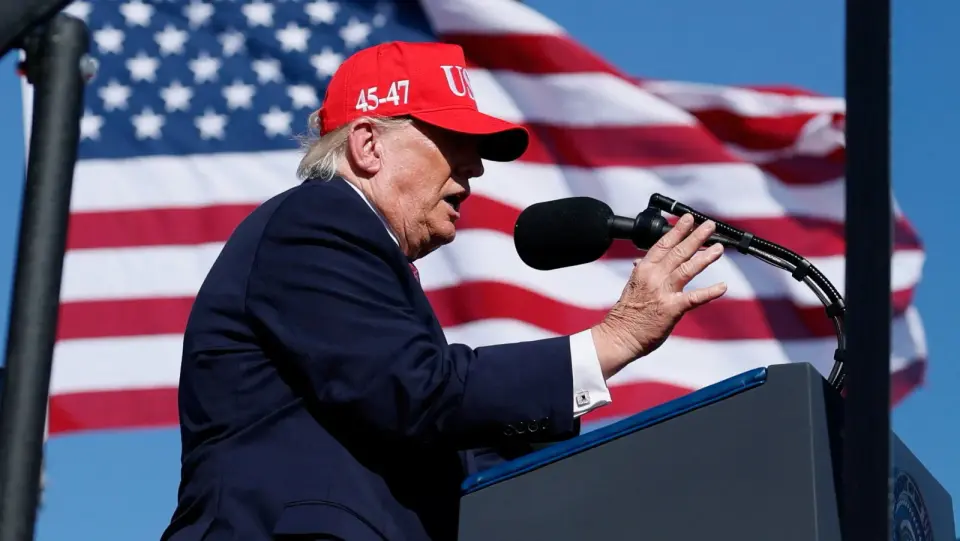
As the November 3 midterms approach, the Republican Party faces a severe crisis driven by voter dissatisfaction with high prices and the Iran conflict. While President Trump continues to tout economic success, polling shows a dramatic reversal in his approval ratings, with most Americans blaming him for worsening conditions. This disconnect has put traditionally safe red states in play and triggered internal blame among GOP leaders, who are increasingly distancing themselves from the administration’s policies to survive the election.
Key points
- Inflation rose to 3.7% in September, up from 3.4% in August, while gas prices surged 9.1% in September and 34.2% year-over-year.
- A Pew survey found only 21% of Americans rate the economy as good, while 65% believe Trump’s policies have made things worse.
- Trump’s economic approval rating dropped to 29% in a Fox News poll, down from 43% shortly after he took office.
- Democrats are leading in Senate races in Texas, Iowa, Alaska, and Ohio, states Trump won by double digits in 2024.
- GOP candidates like Rep. Ashley Hinson and former Rep. Mike Rogers have publicly called for an end to the Iran war and tariffs to address high costs.
Background
This crisis follows a summer of declining support, where Trump’s approval hit a record low of 33% and Democrats gained an 8-point lead in the generic House ballot. Earlier in September, Vice President JD Vance attempted a nuanced pitch at the Republican convention, contrasting with Trump’s 'golden age' rhetoric, but failed to quell voter anger over the Iran conflict and inflation. The current situation marks a sharp reversal from the 2024 election, when strong economic perceptions helped Trump carry every swing state despite high inflation at the time.
How outlets are covering it
USA Today emphasizes the disconnect between Trump’s optimistic messaging and voter reality, highlighting how his 'golden age' claims clash with rising inflation and cost-of-living concerns. Politico focuses on the internal GOP fallout, detailing how party members are blaming each other for the campaign’s struggles, with House Republicans targeting Senate candidates and national operatives criticizing local campaigns. CNN and Cook Political Report underscore the structural collapse of Republican guardrails, noting that even gerrymandered districts are now vulnerable due to widespread voter anger. While USA Today attributes the crisis to Trump’s policies, Politico frames it as a failure of party coordination and candidate performance, and Cook highlights the unprecedented nature of the GOP’s losses in traditionally safe areas.
Why it matters
The midterm results will determine whether Republicans retain control of Congress, with the current polling suggesting a potential loss of the House and significant Senate seats. If the GOP fails to address voter concerns about inflation and the Iran war, it could trigger a broader realignment in American politics, weakening the party’s base and setting the stage for a Democratic resurgence in 2028. The internal blame game also signals a potential fracture within the party, which could impact future leadership and policy direction.
What to watch
The next two weeks will focus on final campaign efforts, with Trump continuing rallies and Vance attempting to bridge the gap between the administration and voters. Polling will likely intensify as candidates in red states try to distance themselves from Trump’s policies. The outcome of the midterms will determine the balance of power in Congress and potentially reshape the GOP’s strategy for the 2028 presidential cycle.
- GOP troubles brew as Trump economic pitch clashes with voter sentiment USA Today
- Republicans already know who they want to blame if they suffer big midterm losses Politico
- Republicans confront anger from their own red-state voters ahead of midterms CNN
- Republicans’ Guardrails are Collapsing Cook Political Report
- Could Republicans prove the pollsters wrong in the midterms? Financial Times
Want the full story? Read the original reporting
Read on USA Today