
El Niño and heat waves drive record shark and snake sightings on U.S. coasts
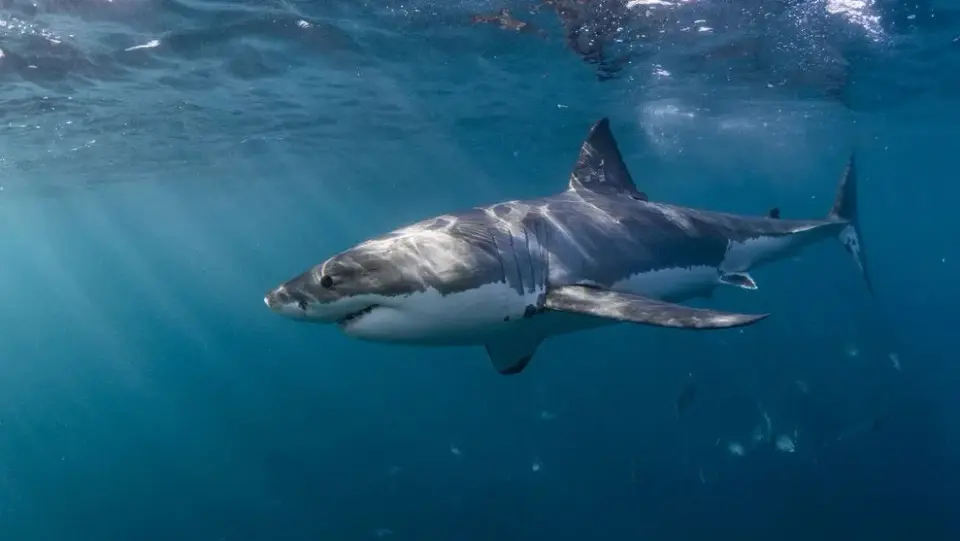
An intensifying El Niño, combined with an existing marine heat wave, is causing unprecedented shifts in marine life across the U.S. coastlines. Warmer waters are pushing juvenile white sharks, tropical fish, and venomous sea snakes northward into California, while increased sightings along the Northeast coast have prompted New York City to deploy drones for beach surveillance. Experts warn that these changes alter local ecosystems and require new safety protocols for swimmers and surfers.
Key points
- A strong El Niño is forecast to bring warmer waters to the eastern Pacific, pushing juvenile white sharks, rays, and tropical species like mahi mahi northward into California.
- The combination of El Niño and a pre-existing marine heat wave is described by scientists as a 'double whammy,' leading to a twofold increase in white shark sightings in some areas.
- Venomous yellow-bellied sea snakes, typically rare in California, are expected to appear due to the unusually warm water temperatures.
- In New York, the NYPD is using drones to monitor beaches after a surge in shark sightings, including 16 spotted off Rockaway Beach in early July.
- Experts emphasize that while shark numbers are rising, the risk to humans remains low, but stingray injuries may increase due to warmer waters attracting more rays.
Background
This development follows a summer of extreme weather in the western U.S., including widespread wildfires and dangerous beach conditions that led to fatalities in California earlier in 2026. The current marine shifts are part of a broader pattern of climate-driven ocean changes, with previous El Niño events in 2015-2016 and 2023-2024 also causing significant disruptions to marine ecosystems and wildlife behavior globally.
How outlets are covering it
USA Today focuses on the ecological impact of El Niño, highlighting how warmer waters are shifting entire marine ecosystems and bringing tropical species to California. Chris Lowe, a marine biology professor, warns of a 'sharky summer' but notes that the bigger concern may be an increase in stingray injuries. Fox News emphasizes practical safety advice for swimmers, noting that while shark activity is rising, attacks remain rare and that humans are not typically on the shark's menu. The New York Post highlights the operational response in the Northeast, where the NYPD is using drones to monitor beaches due to a surge in sightings, contrasting with the West Coast focus on ecological shifts. While USA Today and Fox News agree on the increase in shark activity, they differ in emphasis, with the former focusing on the 'weird' tropical species arriving and the latter on safety protocols and the rarity of attacks.
Why it matters
The shift in marine life due to El Niño and heat waves highlights the interconnectedness of global ocean systems and the potential for climate change to alter local ecosystems and human safety. The increased presence of sharks and other marine life requires new safety measures and awareness for beachgoers and coastal communities.
What to watch
Scientists expect a clearer picture of the El Niño's impact by October, with continued monitoring of marine life and potential changes in weather patterns. The Shark Lab and other organizations are working to prepare the public for the increased presence of marine life, while the NYPD continues its drone patrols in New York.
- El Niño's 'whole different ocean' to send odd sea creatures to US USA Today
- NYPD deploys drones to track sharks after rise in sightings off NYC beaches New York Post
- Shark Week warnings as experts reveal 6 ways to reduce your risk of a shark bite Fox News
- Eyes in the sky: NYPD uses drones to track sharks off New York City beaches FOX Weather
- NYPD demonstrates shark spotting technology, drones at Rockaway Beach in Queens as sightings increase ABC7 New York
Want the full story? Read the original reporting
Read on USA Today