
California Passes Data Center Energy Rules Amid Grid Cost Fears
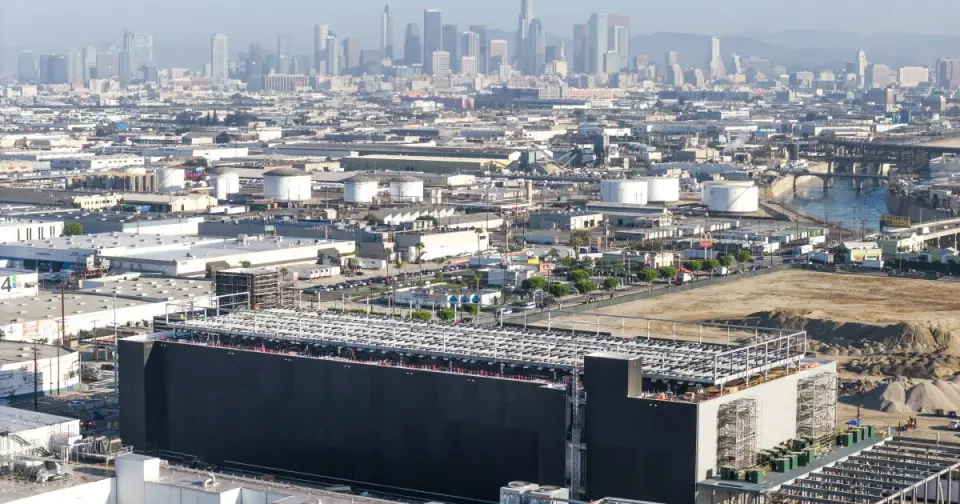
California lawmakers finalized a compromise on Friday to regulate the energy use of data centers, aiming to prevent these facilities from shifting infrastructure costs to general consumers. The legislation requires the California Public Utilities Commission to establish specific rates for data center electricity usage, including charges for new power and infrastructure upgrades. This move follows intense community backlash and concerns over rising utility bills, as the state anticipates data center electricity consumption to double within a decade. While the bills were approved, industry groups argue that California’s high energy costs and new restrictions may hinder future development, while environmental advocates remain divided on the final provisions.
Key points
- State legislators finalized two bills regulating data center energy use after weeks of negotiation in the 2026 session.
- The legislation mandates the California Public Utilities Commission to create special rates for data centers, covering costs for new power and infrastructure upgrades.
- The California Energy Commission projects that data center electricity use, currently 2% of state demand, will double in the next 10 years.
- A July poll indicated that 73% of California residents oppose data center construction in their communities due to water use, pollution, and grid strain.
- The final package includes a provision requiring data centers to pay upfront for broader power grid updates, a key demand from environmental groups.
Background
This legislative action follows a period of heightened public scrutiny regarding AI infrastructure. In June 2026, Monterey Park became the first U.S. city to ban data centers via popular vote, prompting moratoriums in several other San Gabriel Valley cities and locations like Coachella and Tulare County. Earlier in 2026, Governor Gavin Newsom vetoed a bill that would have required data centers to disclose water consumption, citing concerns over rigid reporting requirements for critical digital infrastructure. Additionally, recent estimates suggest AI-related water use could reach hundreds of billions of liters annually, fueling debates about the environmental footprint of these facilities.
Why it matters
The regulation of data centers is becoming a critical issue for state energy policy and consumer costs. As AI demand drives expansion, the potential for these facilities to impose billions of dollars in grid upgrade costs on general ratepayers has sparked a political fight. The outcome of this legislation will influence whether California remains a viable location for tech infrastructure or if companies shift to states with fewer restrictions, impacting local tax revenues and job creation.
What to watch
The California Public Utilities Commission must now develop the specific rates and rules outlined in the legislation. Industry groups, including the Data Center Coalition, may challenge the new requirements, arguing they make California less competitive compared to other states. Local municipalities may continue to enact their own moratoriums or bans as the state-level framework is implemented.
Want the full story? Read the original reporting
Read on Los Angeles Times