
Atmospheric Rivers Target Pacific Northwest as Flood Risk Rises
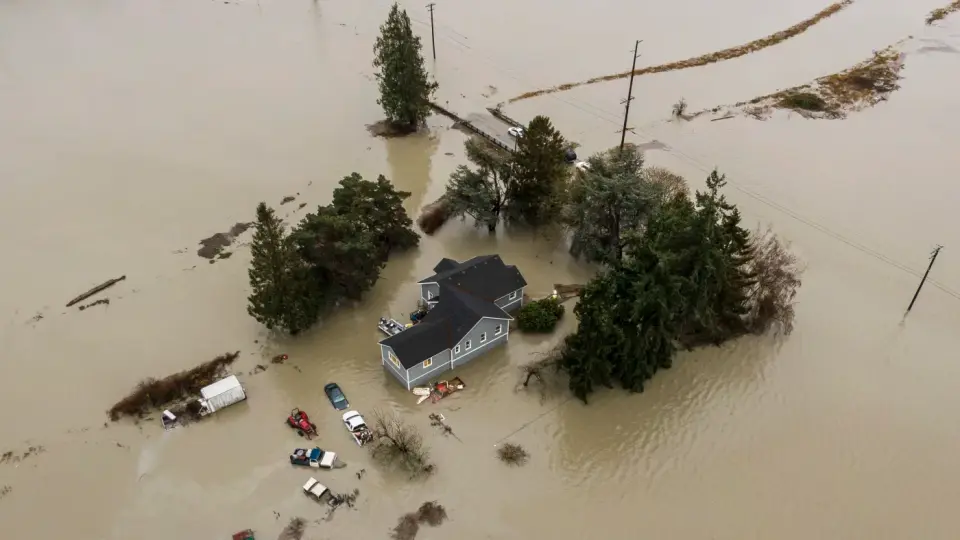
A series of atmospheric rivers is expected to bring heavy rain, high winds, and potential flooding to the Pacific Northwest through mid-November. While these events provide crucial relief from severe drought, they also pose significant risks for coastal erosion, urban flooding, and landslides, particularly as they coincide with king tides and El Niño conditions.
Key points
- Multiple atmospheric rivers are forecast to impact Oregon and Washington from November 13 to 18, following earlier storms that already delivered several inches of rain.
- The events coincide with 'king tides' and El Niño-driven rising sea levels, increasing the risk of coastal flooding and 20-foot swells along Washington's coast.
- While the rain alleviates a four-year drought affecting over 94% of Washington, it also threatens to overwhelm waterways and degrade flood-control infrastructure.
- Meteorologists note that while El Niño does not directly strengthen atmospheric rivers, a warming climate may make them wider and longer, potentially increasing their intensity.
- Current river levels are within normal limits, but saturated soils and clogged storm drains from falling leaves could exacerbate urban flooding and trigger landslides.
Background
The Pacific Northwest has endured four consecutive years of severe drought, with October 2026 being significantly drier than normal. This current wet spell marks the beginning of the atmospheric river season, which runs from October to March. Previous events in November 2025 caused devastating floods in Washington, while a recent atmospheric river in November 2026 caused widespread flooding and evacuations in the Southwest. Climate scientists continue to debate the precise impact of global warming on the frequency and intensity of these weather patterns.
How outlets are covering it
NPR and The Seattle Times emphasize the dual nature of atmospheric rivers: they are essential for ending drought but pose severe flood risks, especially when combined with king tides. The Seattle Times highlights the uncertainty regarding climate change's role, noting mixed data on whether warming will increase frequency or intensity. KOIN focuses on the immediate forecast, warning of power outages and landslides due to the tropical-like structure of the incoming systems. MyNorthwest provides historical context, noting that November is the most critical month for river flooding due to low snowpack, and clarifies that while current river levels are normal, the risk remains high for the coming weeks. All sources agree that the region is entering a period of heightened weather volatility.
Why it matters
The convergence of atmospheric rivers, El Niño, and king tides creates a 'compounding impact' scenario that can lead to flash flooding, urban inundation, and landslides. As the Pacific Northwest recovers from a multi-year drought, the sudden influx of water tests the resilience of infrastructure and water management systems. Understanding these patterns is crucial for preparedness, as the region faces a winter where the balance between drought relief and flood damage is precarious.
What to watch
Forecasters expect the heaviest rainfall between November 13 and 15, with potential for continued wet weather through November 18. Residents are advised to monitor river levels, clear storm drains of leaves, and prepare for possible power outages. Meteorologists will continue to track the interaction between these atmospheric rivers and El Niño conditions to assess the potential for further intensification of storm systems in the coming weeks.
- Rivers in the sky are raining down on the Pacific Northwest. What are they? NPR
- Torrential rain, dangerous waves batter Pacific Northwest as powerful storms push ashore FOX Weather
- Atmospheric river season returns to WA The Seattle Times
- Series of atmospheric rivers head for PNW this week: What to know KOIN.com
- Potential atmospheric river could bring heavy rain and blustery winds to western WA MyNorthwest.com
Want the full story? Read the original reporting
Read on NPR