
2026 Atlantic Hurricane Season Sets Record for Latest Start Without a Hurricane
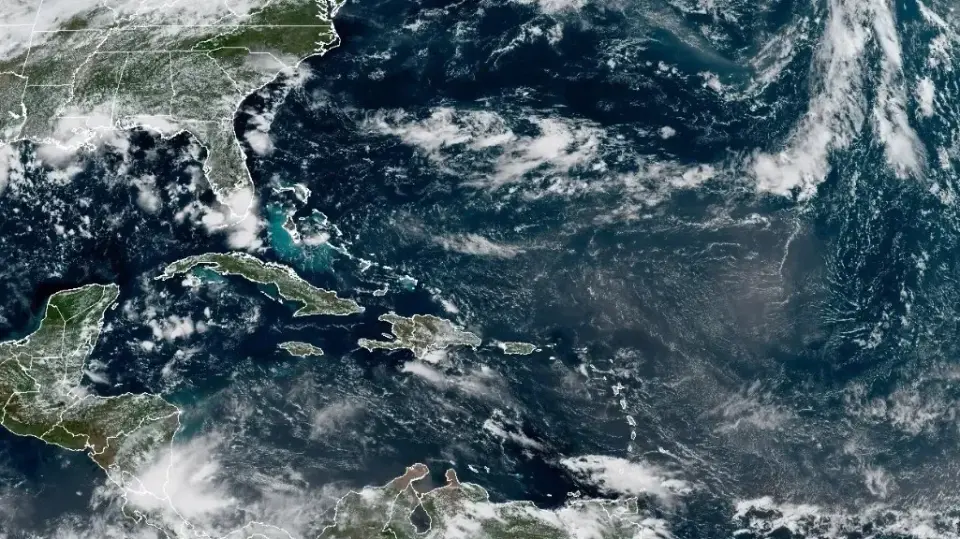
The Atlantic Ocean has not produced a single hurricane as of September 12, 2026, setting a new record for the latest start of a hurricane-free season in the satellite era. While only five tropical storms have formed, a powerful El Niño is suppressing activity through record wind shear. Experts warn that despite the quiet start, late-season storms remain possible, and the current conditions may lead to a busier 2027 season.
Key points
- No hurricane has formed in the Atlantic by September 12, 2026, breaking the previous record for the latest first hurricane in the satellite era (1966–present).
- Only five tropical storms have formed this season, compared to the typical four hurricanes and more tropical storms expected by this date.
- Accumulated Cyclone Energy is at 4.4, the lowest level through September 10 since 1950.
- A strong El Niño is causing record-breaking vertical wind shear, averaging over 3 knots stronger than any year since 1979.
- Saharan dust and dry air are compounding the suppression, creating a 'double suppression' effect on storm formation.
- The season officially ends on November 30, and experts warn that late-season storms can still be impactful, as seen in 2022 with Hurricane Ian.
Background
Previous coverage noted that the 2026 season was predicted to be below normal due to a strengthening El Niño. Earlier reports highlighted that while the Atlantic was quiet, the Pacific was experiencing above-normal activity. Tropical Storm Dolly, which formed in late August, was short-lived and degenerated quickly, illustrating the immediate impact of wind shear on developing systems.
How outlets are covering it
USA Today and CBS News emphasize the record-breaking nature of the inactivity, citing specific metrics like Accumulated Cyclone Energy and wind shear records. Scientific American highlights the broader climate context, noting that this El Niño is among the strongest in living memory and may be influenced by climate change. CBS News provides additional context on the Pacific, noting that while the Atlantic is quiet, the eastern and central Pacific are seeing significantly above-normal storm activity, with Hawaii experiencing multiple impacts. All sources agree that while the current conditions are suppressing storms, they do not guarantee a hurricane-free season, as late-season development is still possible.
Why it matters
The record inactivity underscores the significant impact of El Niño on global weather patterns, suppressing Atlantic hurricanes while boosting Pacific storms. This has implications for regional preparedness, insurance, and climate policy. Additionally, the current conditions may lead to a busier 2027 season as El Niño winds down and warm ocean waters persist, highlighting the need for long-term climate planning.
What to watch
Forecasters expect the Atlantic to remain quiet for at least another week, with no likely contenders for hurricane status. However, the season continues until November 30, and experts warn that late-season storms can still form, particularly near the Gulf of Mexico. The El Niño is expected to weaken in 2027, potentially leading to a busier hurricane season as warm ocean waters persist.
- Atlantic hurricane season 2026 sets a new record USA Today
- Atlantic Hurricane Season Hasn’t Recorded a Single Hurricane This Year The New York Times
- El Niño has broken Atlantic hurricanes. Now the season is breaking records CNN
- The Atlantic hurricane season just quietly broke a new weather record Scientific American
- Powerful El Niño creates conditions for a record-low Atlantic hurricane season CBS News
Want the full story? Read the original reporting
Read on USA Today