
El Niño and Saharan Dust Create Historic Atlantic Hurricane Drought
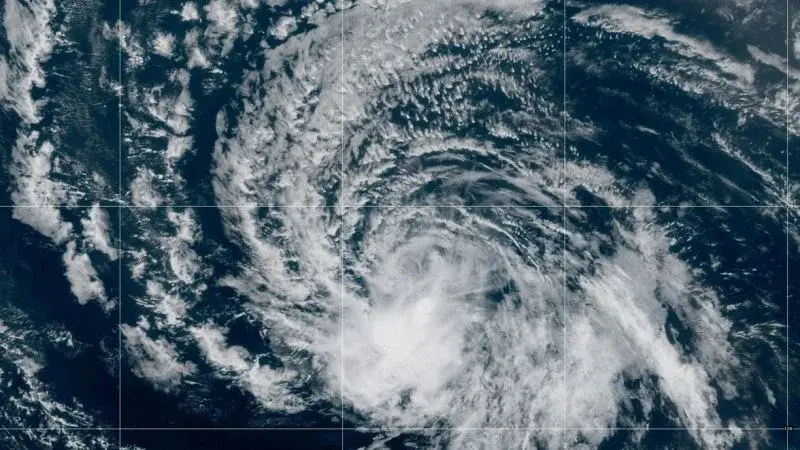
The 2026 Atlantic hurricane season has set a modern record for inactivity, with zero hurricanes forming by mid-September. This unprecedented quiet is driven by a powerful El Niño event and Saharan dust, which have created record-breaking wind shear and suppressed storm development. While the season is historically dormant, experts warn that late-forming storms can still cause significant damage, as seen in previous years with delayed hurricane activity.
Key points
- No hurricanes have formed in the Atlantic basin as of September 12, 2026, marking the latest date in the modern satellite era without a hurricane.
- Only five tropical storms have formed this season, compared to the typical four hurricanes and numerous tropical storms expected by this point.
- Accumulated Cyclone Energy stands at 4.4, the lowest recorded through September 10 since 1950, according to Colorado State University researchers.
- A powerful El Niño event has generated record-breaking vertical wind shear, averaging more than 3 knots stronger than any year since 1979.
- Saharan dust and dry air are compounding the suppression, creating a 'double suppression' effect that limits tropical storm formation.
- The season ends November 30, and historical data shows that late-forming hurricanes can still cause major damage, such as Hurricane Ian in 2022.
Background
Earlier coverage in August 2026 noted that a strengthening El Niño was predicted to suppress Atlantic hurricane activity while potentially driving record global heat in 2027. Meteorologists warned that while the Atlantic was unusually quiet, the season remained long enough for storms to form later, particularly away from the strongest wind shear zones. August 2026 also recorded the warmest temperatures on record for the contiguous United States, with widespread drought conditions affecting 79% of the region.
How outlets are covering it
CNN and The New York Times emphasize the historic nature of the drought, noting that no hurricane has formed in nearly four months, a drought not seen in over eight decades. USA Today provides specific meteorological data, highlighting that vertical wind shear in early September was the strongest since the satellite era began in 1979. While CNN and NYT focus on the anomaly of the quiet season, USA Today and Penn State researchers attribute the inactivity to a combination of El Niño-driven wind shear and Saharan dust, describing it as a 'double suppression.' All sources agree that the quiet start does not guarantee a quiet finish, citing historical examples where late-forming hurricanes caused significant damage.
Why it matters
The unprecedented inactivity of the 2026 Atlantic hurricane season highlights the complex interplay between El Niño, Saharan dust, and wind shear in suppressing storm formation. While the lack of hurricanes may offer temporary relief, it does not eliminate the risk of late-season storms, which can still cause significant damage and loss of life. Understanding these atmospheric dynamics is crucial for accurate seasonal forecasting and preparedness, as the season continues through November 30.
What to watch
The Atlantic hurricane season will continue through November 30, with forecasters monitoring for any late-forming storms. The impact of the El Niño event on global weather patterns, including potential record-high temperatures in 2027, will also be closely watched. Meteorologists will continue to assess the role of Saharan dust and wind shear in suppressing storm activity, while also evaluating the potential for late-season hurricanes to form and impact coastal regions.
- El Niño has broken Atlantic hurricanes. Now the season is breaking records CNN
- Where have all the Atlantic hurricanes gone? El Niño's might brings record slow storm season ABC7 Chicago
- Atlantic Hurricane Season Hasn’t Recorded a Single Hurricane This Year The New York Times
- The Atlantic hurricane season is making history. Here’s why. The Boston Globe
- Atlantic hurricane season 2026 sets a new record USA Today
Want the full story? Read the original reporting
Read on CNN