
Record-Breaking Tides Flood SoCal Coast as El Niño and Astronomical Cycles Converge
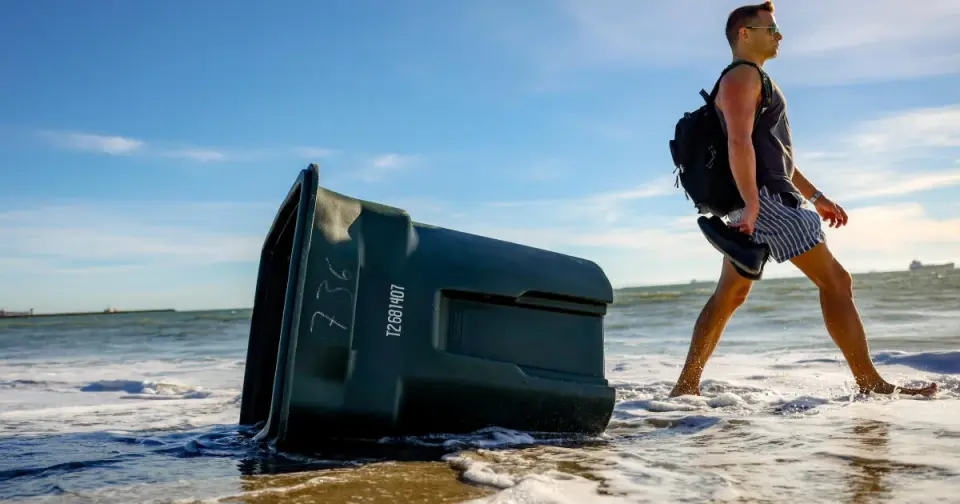
Southern California experienced record-breaking high tides on Monday, October 26, 2026, causing significant coastal flooding in Newport Beach, Long Beach, and San Diego. The San Pedro tide gauge reached 8.02 feet, breaking the previous record set in 2005. This event is driven by a rare combination of a strong El Niño, a marine heat wave, and astronomical tidal cycles. The National Weather Service warns that even higher tides are expected on Tuesday, with potential levels reaching 8.5 feet in Newport Beach. Officials in Orange and San Diego counties have issued coastal flood warnings through Thursday, urging residents to protect property and move vehicles to higher ground. While some areas like Huntington Beach and Sunset Beach saw minor flooding, Newport Beach reported businesses inundated and streets submerged. The Bay Area also faced a coastal flood advisory, with Marin County experiencing localized flooding. Scientists warn that future 'king tides' around Thanksgiving and Christmas could be even more extreme due to ongoing ocean warming and El Niño effects.
Key points
- San Pedro tide gauge recorded 8.02 feet on Monday, breaking the 2005 record of 7.93 feet.
- Newport Beach tides reached 8.3 feet, nearly 2 feet higher than the astronomical prediction of 6.6 feet.
- National Weather Service issued coastal flood warnings for Orange and San Diego counties through Thursday afternoon.
- Newport Beach distributed approximately 25,000 sandbags to residents to mitigate flooding damage.
- Ocean temperatures are 1.25 to 1.8 feet higher than expected due to El Niño and marine heat waves.
- Highest tides this week are forecast for Tuesday at 9:52 a.m., with potential levels reaching 8.5 feet in Newport Beach.
Background
This event follows a series of extreme weather conditions in 2026, including a historic October heatwave and the arrival of a 'super' El Niño, the strongest in over a millennium. Earlier in October, Tropical Storm Rachel caused significant damage along the California coast. The current flooding is part of a broader pattern of compounding climate impacts, with scientists warning that coastal flooding risks will increase through the winter and into 2027 due to ongoing ocean warming and El Niño effects.
How outlets are covering it
The Los Angeles Times emphasizes the record-breaking nature of the tides and the role of El Niño and marine heat waves in exacerbating water levels. The Orange County Register focuses on the immediate impacts in Newport Beach, including business flooding and community response, while noting that the Kelvin wave has subsided but other factors continue to elevate water levels. The Guardian highlights the broader regional impact, including the Bay Area, and stresses the preparedness efforts by local governments. CBS News provides a focused view of the Bay Area, detailing specific flooding incidents in Marin County and the National Weather Service's advisory. All sources agree on the severity of the event but differ in emphasis, with local outlets focusing on immediate community impacts and national outlets highlighting the broader climate context.
Why it matters
This event underscores the increasing frequency and severity of coastal flooding due to climate change and El Niño effects. The record-breaking tides highlight the vulnerability of coastal communities to compounding weather events and the need for robust preparedness measures. The National Weather Service's warnings and local government responses indicate a growing recognition of the risks posed by extreme tidal events, which are expected to become more frequent and severe in the coming years.
What to watch
The National Weather Service expects higher tides on Tuesday, with potential levels reaching 8.5 feet in Newport Beach. Coastal flood warnings will remain in effect through Thursday afternoon. Residents in flood-prone areas are advised to continue protecting property and moving vehicles to higher ground. Future king tides around Thanksgiving and Christmas are expected to be exceptionally extreme, with potential for further flooding if storms coincide with these tidal peaks. Scientists warn that coastal flooding risks will continue to increase through the winter and into 2027 due to ongoing ocean warming and El Niño effects.
- SoCal coast hit by widespread flooding as record-breaking tides move in Los Angeles Times
- Coastal Flood Warning in effect as record high waves are expected at San Diego beaches cbs8.com
- Newport Beach sees some flooding, PCH northbound in Huntington Beach closed during high tide Orange County Register
- Coastal California braces for flooding amid forecast of ‘record-breaking tides’ The Guardian
- Flooding in parts of Marin County as coastal flood advisory in effect for Bay Area CBS News
Want the full story? Read the original reporting
Read on Los Angeles Times