
Beaver Supermoon Peaks Nov. 24, Starting Three-Month Streak and Heightening Coastal Flood Risks
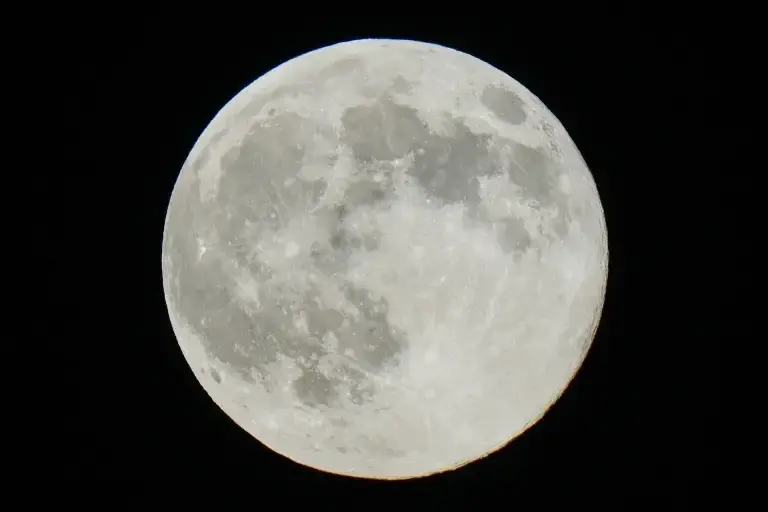
The November 24 full moon, known as the Beaver Moon, marks the first of three consecutive supermoons in 2026. While the visual difference is subtle, its proximity to Earth may intensify king tides, potentially causing coastal flooding through Thanksgiving week.
Key points
- The Beaver Moon peaks on Nov. 24 at 9:53 a.m. EST, though it will appear full the night before and after.
- This event is the first of three consecutive supermoons in 2026, followed by the Cold Moon in December and another in January 2027.
- Supermoons occur when the moon is at perigee, its closest point to Earth, making it appear up to 14% larger and 30% brighter than typical full moons.
- The stronger tidal pull from the supermoon may contribute to king tides, increasing the risk of coastal flooding in low-lying areas through Thanksgiving.
- Coastal communities like Laguna Beach, California, are preparing with sand berms and pumps to mitigate potential flooding from elevated tides.
Background
November 2026 has been a busy month for astronomical events, including the Taurid meteor showers and a close Mars-Jupiter conjunction. The Beaver Moon is part of a series of three consecutive supermoons, a phenomenon that occurs only three to four times a year. Previous coverage noted that the visual impact of supermoons is often exaggerated by optical illusions, but their tidal effects are significant.
How outlets are covering it
AccuWeather emphasizes the potential for king tide flooding, particularly in Southern California and Florida, where record water levels were reported in October. National Geographic focuses on the astronomical definition of a supermoon, noting that the visual difference is subtle to the naked eye. The Detroit Free Press and Wichita Eagle provide local viewing times and highlight the brightness and size differences, with the Free Press noting the Beaver Moon is the second of three supermoons in 2026, while the Eagle confirms it as the first of three consecutive ones.
Why it matters
The Beaver Moon’s tidal influence could exacerbate coastal flooding during Thanksgiving, affecting travel and local economies. Understanding the timing and impact of king tides is crucial for coastal communities and holiday travelers. Additionally, the supermoon series offers opportunities for stargazing and astronomical observation, with the Pleiades star cluster visible near the moon on Nov. 24.
What to watch
The next supermoon, the Cold Moon, is scheduled for Dec. 23, 2026, followed by another in January 2027. Coastal communities will continue to monitor tide levels and prepare for potential flooding. Stargazers can look for the Pleiades near the moon on Nov. 24 and plan to observe the Cold Moon in December.
- Supermoon could worsen king tide flooding before Thanksgiving AccuWeather
- A Rare Streak of Supermoons Is About to Begin National Geographic
- A supermoon is on the way. Why it will be extra impressive Detroit Free Press
- First of 3 ‘supermoons’ to peak soon over Kansas. When to catch a glimpse Wichita Eagle
- Big supermoon energy this winter in Middle Tennessee WSMV
Want the full story? Read the original reporting
Read on AccuWeather