Tag

Supermoon

All articles tagged with #supermoon

Beaver Moon Peaks Nov. 24 as First of Three Consecutive Supermoons
astronomy9 hours ago

Beaver Moon Peaks Nov. 24 as First of Three Consecutive Supermoons

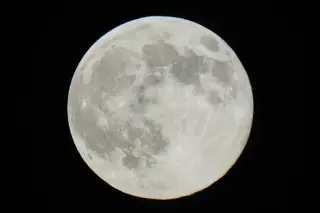
The November full moon, known as the Beaver Moon, reached peak illumination on Nov. 24, 2026, at 9:53 a.m. EST. This event marks the beginning of a three-month streak of supermoons, with subsequent peaks scheduled for Dec. 23 and Jan. 22, 2027. Although the peak occurred during daylight hours in the United States, the moon remained visible and nearly full throughout the evening. The supermoon appears up to 14% larger and 30% brighter than the smallest full moon of the year, though the visual difference is subtle to the naked eye. Viewers are advised to look for the moon low on the horizon after sunset to maximize the optical illusion of size.

Beaver Supermoon Peaks Nov. 24, Launching Three-Month Lunar Streak
science10 hours ago

Beaver Supermoon Peaks Nov. 24, Launching Three-Month Lunar Streak

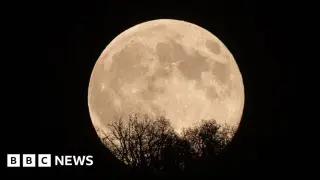
The November full moon, known as the Beaver Moon, reaches peak illumination on Nov. 24, 2026, at 9:53 a.m. EST. This event marks the first of three consecutive supermoons, occurring when the moon is near perigee, its closest point to Earth. While the visual difference is subtle, the moon appears up to 14% larger and 30% brighter than a micromoon. Viewers should look east after sunset for the best view, as the peak occurs during daylight hours in the U.S.

Beaver Moon supermoon peaks Nov. 24, launching three-month lunar streak
science14 hours ago

Beaver Moon supermoon peaks Nov. 24, launching three-month lunar streak

The November full moon, known as the Beaver Moon, reaches peak illumination on Nov. 24, 2026, at 9:53 a.m. EST. This event marks the first of three consecutive supermoons, occurring when the moon is near perigee, its closest point to Earth. While the visual difference is subtle, the moon appears up to 14% larger and 30% brighter than a micromoon. Viewers should look east after sunset for the best view, as the peak occurs during daylight hours in the U.S.

Beaver Supermoon Peaks Nov. 24, Starting Three-Month Lunar Streak
science1 day ago

Beaver Supermoon Peaks Nov. 24, Starting Three-Month Lunar Streak

The November full moon, known as the Beaver Moon, reaches peak illumination on November 24, 2026. This event marks the beginning of a rare streak of three consecutive supermoons, where the moon appears slightly larger and brighter due to its proximity to Earth. While the visual difference is subtle to the naked eye, the event offers a prime opportunity for stargazing and may contribute to higher tides.

Beaver Supermoon Peaks Nov. 24, Starting Three-Month Lunar Streak
science1 day ago

Beaver Supermoon Peaks Nov. 24, Starting Three-Month Lunar Streak

The November full moon, known as the Beaver Moon, reaches peak illumination on Nov. 24, 2026, marking the first of three consecutive supermoons. This event occurs when the moon is at its closest point to Earth, making it appear up to 14% larger and 30% brighter than typical full moons. While the visual difference is subtle to the naked eye, the stronger tidal pull may contribute to king tide flooding in coastal areas through Thanksgiving week. The next supermoon, the Cold Moon, is scheduled for Dec. 23.

Beaver Supermoon Peaks Nov. 24, Starting Three-Month Streak
science4 days ago

Beaver Supermoon Peaks Nov. 24, Starting Three-Month Streak

The November full moon, known as the Beaver Moon, will peak on Nov. 24, 2026, marking the first of three consecutive supermoons. This event occurs when the moon is at its closest point to Earth, making it appear up to 14% larger and 30% brighter than typical full moons. While the visual difference is subtle to the naked eye, the stronger tidal pull may contribute to king tide flooding in coastal areas through Thanksgiving week. The next supermoon, the Cold Moon, is scheduled for Dec. 23.

November 2026 Sky Guide: Fireballs, Planetary Pairing, and Voyager Milestone
science18 days ago

November 2026 Sky Guide: Fireballs, Planetary Pairing, and Voyager Milestone

November 2026 offers a dense calendar of celestial events, including the Southern and Northern Taurid meteor showers, a close Mars-Jupiter conjunction, and a supermoon. The Taurids, peaking around November 5 and 12, produce few meteors but are known for bright, slow-moving fireballs. Mars and Jupiter will appear 1.2 degrees apart in the pre-dawn sky on November 15-16. NASA’s Voyager 1 reaches a historic one-light-day distance from Earth on November 17, while a supermoon rises on November 24, starting a three-month series.

November 2026 Skywatching: Taurid Fireballs, Mars-Jupiter Conjunction, and Supermoon
science19 days ago

November 2026 Skywatching: Taurid Fireballs, Mars-Jupiter Conjunction, and Supermoon

November 2026 features a dense schedule of astronomical events, including the Southern and Northern Taurid meteor showers, a close Mars-Jupiter conjunction, and a supermoon. While the Taurids produce few meteors per hour, they are renowned for bright, slow-moving fireballs. The Southern Taurids peaked around November 5, with the Northern Taurids following on November 12. A new moon on November 9 offers optimal viewing conditions for the Northern Taurids. Additionally, Mars and Jupiter will appear close together in the pre-dawn sky on November 15-16, and a supermoon will occur on November 24.

November 2026 Sky Guide: Meteor Showers, Planetary Conjunctions, and Voyager Milestone
science21 days ago

November 2026 Sky Guide: Meteor Showers, Planetary Conjunctions, and Voyager Milestone

November 2026 offers a rich calendar of astronomical events, including two meteor showers, a close Mars-Jupiter conjunction, and a supermoon. NASA highlights the Leonid and Taurid showers, while Space.com details daily planetary alignments. A notable milestone is Voyager 1 reaching one light-day from Earth on Nov. 17. Observers can view the Andromeda Galaxy, the Pleiades, and various deep-sky objects, with specific viewing times and equipment recommendations provided by multiple outlets.

October 26 Hunter’s Moon Peaks in Taurus, Preceding Four Supermoons
astronomy-and-astrology1 month ago

October 26 Hunter’s Moon Peaks in Taurus, Preceding Four Supermoons

The October Full Moon, known as the Hunter’s Moon, reaches peak illumination at 12:11 a.m. EDT on October 26, 2026. Positioned in Taurus, it offers two viewing opportunities on Sunday and Monday evenings. While astrologers emphasize emotional release and healing, astronomers note it precedes a sequence of four consecutive supermoons starting in November.

Tonight's Wolf Supermoon: How to View and What to Expect
science10 months ago

Tonight's Wolf Supermoon: How to View and What to Expect

The first full moon of 2026, known as the wolf moon, is also a supermoon, making it appear larger and brighter due to its proximity to Earth. It can be best viewed around sunset on Sunday night from a dark spot, and no special equipment is needed. The event offers a spectacular skywatching opportunity, with additional celestial sights like Jupiter nearby, and the next supermoon will occur in November.