
"JWST Discovers Decline in Early Massive Galaxies"
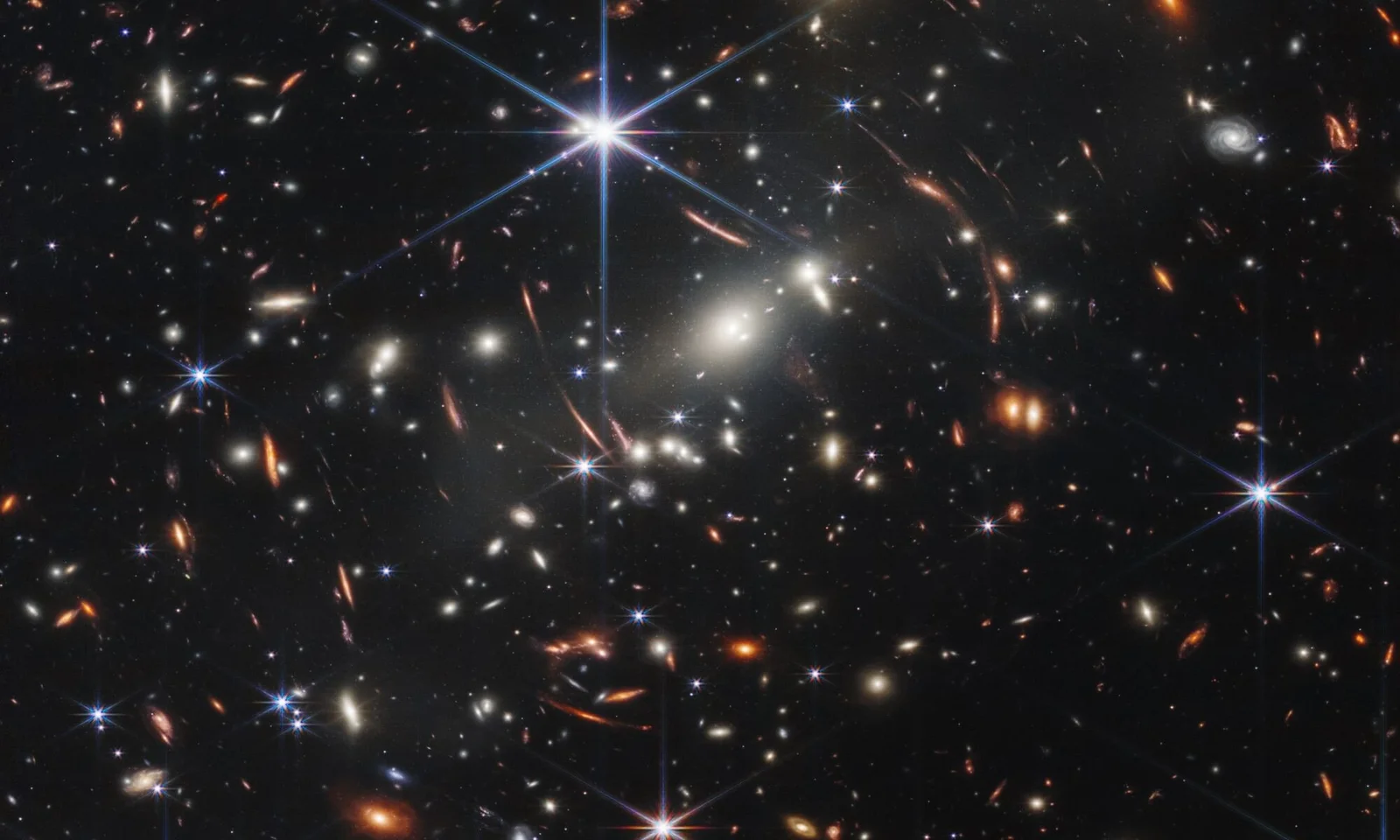
Initial observations from the James Webb Space Telescope (JWST) seemed to challenge our understanding of galaxy evolution in the early universe, but a new study using data from the CAnadian NIRISS Unbiased Cluster Survey (CANUCS) suggests that the method used to identify these galaxies may introduce a bias towards larger and brighter galaxies. The study found that double-break selection methods can give the impression that galaxies are larger and brighter than they statistically are, highlighting the need for more data and observations to accurately determine the distribution of early massive galaxies. The dust is still settling, and the standard cosmological model may not be out of the game yet.
Reading Insights
0
10
3 min
vs 4 min read
86%
780 → 109 words
Want the full story? Read the original article
Read on Phys.org