
"JWST Unveils Abundance of Early Galaxies, Rewriting Cosmic Evolution Theories"
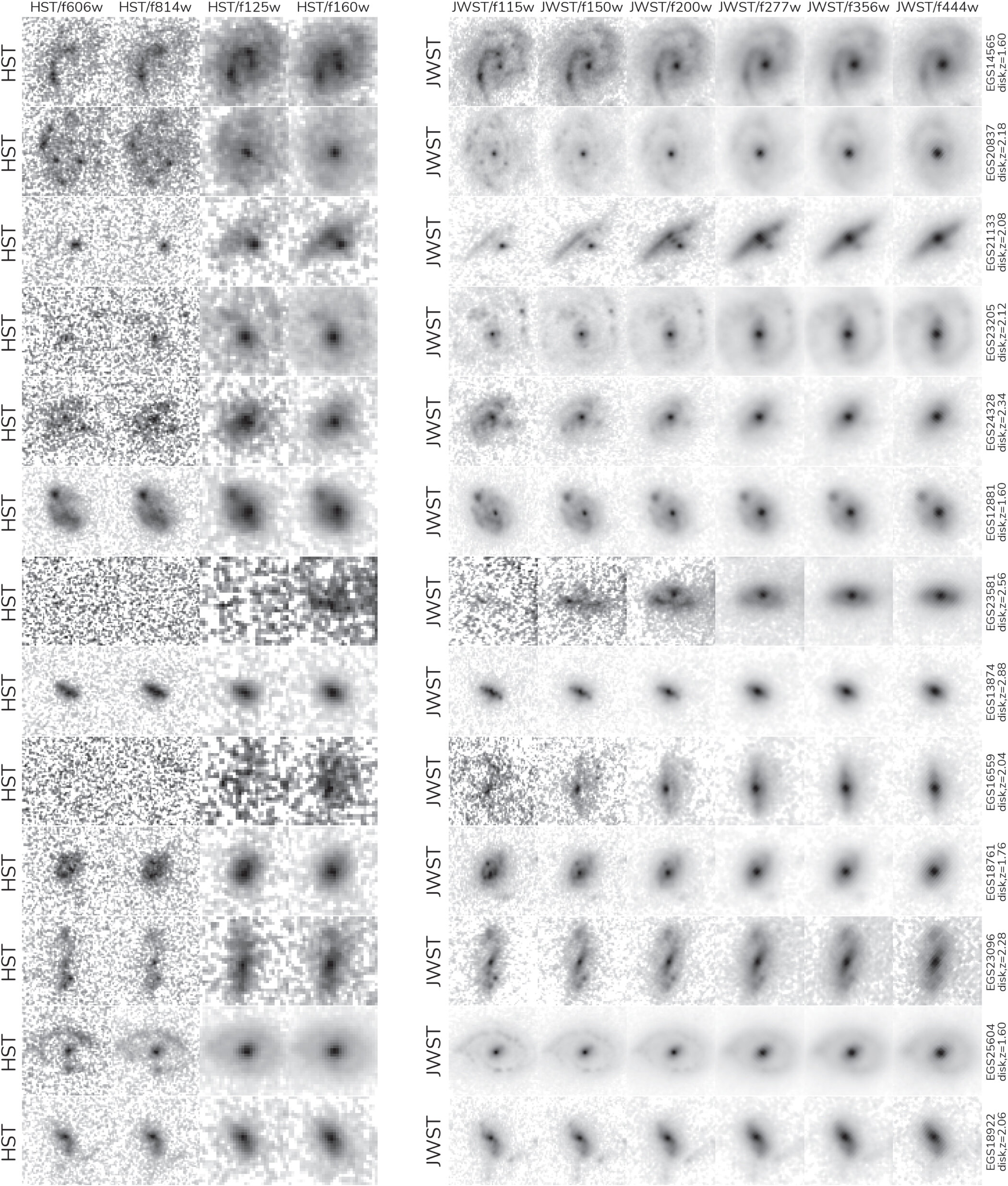
Astronomers using the James Webb Space Telescope (JWST) have discovered that galaxies resembling our Milky Way are more common in the early universe than previously believed. These disk-shaped galaxies, which rotate about their centers and often have spiral arms, were thought to be too fragile to exist during the early universe when galaxy mergers were more common. However, the new research overturns this understanding, revealing that these Milky Way-like galaxies formed as early as the beginning of the universe. This finding challenges existing theories of cosmic evolution and suggests a need for new ideas in understanding galaxy formation and the role of dark matter.
- Astronomers find abundance of Milky Way–like galaxies in early universe, rewriting cosmic evolution theories Phys.org
- The JWST is Forcing Astronomers to Rethink Early Galaxies Universe Today
- JWST Finds Strange Harmony in Early Galaxies and Black Holes Scientific American
- Astronomers discover newborn galaxies with the James Webb Space Telescope Phys.org
- NASA's James Webb Space Telescope provides revelations into how early galaxies formed Sky News
Reading Insights
0
22
3 min
vs 4 min read
85%
717 → 104 words
Want the full story? Read the original article
Read on Phys.org