
Space.com Curates 13 Astronomical Objects Resembling Halloween Horror Tropes
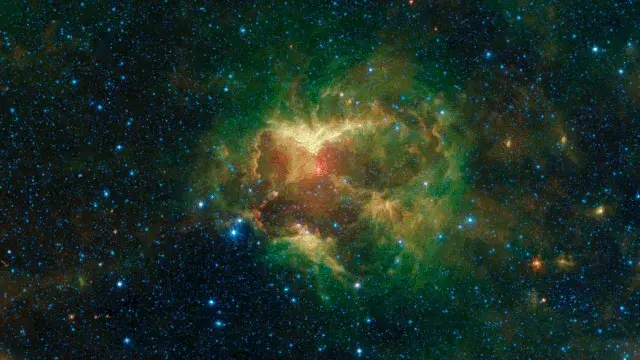
Space.com has released a curated list of 13 astronomical images that visually resemble Halloween horror motifs, ranging from ghostly hands to screaming skulls. The compilation highlights how natural cosmic phenomena, such as pulsar wind nebulae and supernova remnants, can mimic supernatural imagery when observed through specific telescopes. The article emphasizes that these eerie appearances are the result of physical processes like radiation outflows and magnetic field interactions, rather than actual supernatural events. By leveraging data from missions like Chandra, Spitzer, and Hubble, the feature aims to engage the public with space science during the Halloween season. The piece serves as an educational resource, connecting popular cultural fears with the observable universe, while noting that some objects, like the 'Face on Mars,' are merely geological formations misinterpreted by human pattern recognition. This initiative aligns with broader efforts to make astronomy accessible and entertaining for general audiences during the autumn season.
Key points
- Space.com compiled 13 images of astronomical objects that visually resemble Halloween horror tropes, including ghosts, skulls, and jack-o'-lanterns.
- The 'Hand of God' nebula (MSH 15-52) is identified as a pulsar wind nebula located 16,000 light-years away, formed by particles from a dead star.
- The Perseus Cluster appears as a 'screaming skull' in X-ray images captured by the Chandra Observatory, though it is actually a cluster of galaxies.
- Tycho's supernova remnant, a 'zombie star' from 1572, is depicted as a colorful ghost, marking the site of a white dwarf explosion.
- The 'Face on Mars' is clarified as a geological formation of rocks, not an alien structure, as originally misinterpreted by the Viking 1 orbiter in 1976.
- The Fomalhaut star system resembles the 'Eye of Sauron' due to a ring of dusty debris, with the central star blocked out in Hubble images to reveal the fainter material.
Background
This release coincides with the 2026 Halloween season, a period when media outlets often leverage pop culture themes to drive engagement. Previous coverage in our archive noted that Halloween 2026 trends are heavily influenced by viral pop culture and horror icons, suggesting a broader cultural appetite for spooky content. While the DIA's recent reports on China's Shenlong spaceplane highlight serious orbital security concerns, this Space.com feature takes a lighter approach, focusing on public education and entertainment through astronomy. The article builds on earlier Space.com content that explored 'cosmic zombies' and 'horror stories' in the sky, indicating a consistent editorial strategy to blend seasonal themes with scientific discovery. The use of historical data, such as the 1976 Viking 1 image and the 1572 supernova, provides a historical context to modern astronomical observations, bridging centuries of space exploration with contemporary public interest.
Why it matters
This feature demonstrates how media outlets can leverage seasonal cultural events to promote scientific literacy and public interest in astronomy. By framing complex astronomical phenomena through the lens of familiar horror tropes, Space.com makes space science more accessible and engaging for a general audience. It highlights the power of visual storytelling in science communication, showing how natural processes can mimic supernatural imagery, thereby demystifying the universe while maintaining a sense of wonder. This approach helps counter misconceptions about space, such as the 'Face on Mars' being an alien structure, by providing clear scientific explanations. Additionally, it reinforces the value of long-term astronomical missions, like Chandra and Hubble, by showcasing their ability to capture images that resonate with popular culture, potentially inspiring new generations of scientists and space enthusiasts.
What to watch
Space.com is likely to continue publishing seasonal content that ties astronomical events to cultural holidays, such as Christmas or New Year, to maintain audience engagement. The outlet may also expand on the scientific explanations behind these images, potentially releasing detailed articles or videos that delve deeper into the physics of pulsar wind nebulae and supernova remnants. Given the popularity of the 'Halloween body' trend and its associated mental health concerns, Space.com might also explore the psychological impact of such imagery, discussing how visual representations of space can influence public perception of the universe. Furthermore, the outlet could collaborate with other media brands to create interactive content, such as quizzes or virtual tours, that allow users to explore these astronomical objects in more detail. This strategy aligns with broader trends in digital media, where engagement is driven by relatable and visually striking content, ensuring that space science remains a prominent topic in popular culture.
Want the full story? Read the original reporting
Read on Space