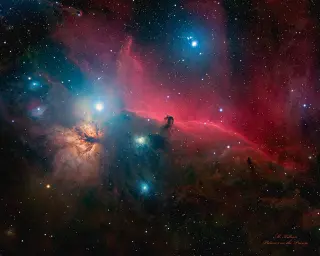
NASA's Astronomy Picture of the Day features a detailed image of the Horsehead and Flame Nebulas in the Orion constellation, captured remotely from Utah by an astrophotographer in Illinois. The image highlights the dark dust silhouette of the Horsehead Nebula, the glowing hydrogen of the Flame Nebula, and the triple star system Alnitak.
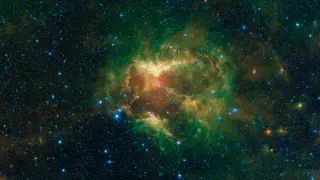
Space.com has released a curated list of 13 astronomical images that visually resemble Halloween horror motifs, ranging from ghostly hands to screaming skulls. The compilation highlights how natural cosmic phenomena, such as pulsar wind nebulae and supernova remnants, can mimic supernatural imagery when observed through specific telescopes. The article emphasizes that these eerie appearances are the result of physical processes like radiation outflows and magnetic field interactions, rather than actual supernatural events. By leveraging data from missions like Chandra, Spitzer, and Hubble, the feature aims to engage the public with space science during the Halloween season. The piece serves as an educational resource, connecting popular cultural fears with the observable universe, while noting that some objects, like the 'Face on Mars,' are merely geological formations misinterpreted by human pattern recognition. This initiative aligns with broader efforts to make astronomy accessible and entertaining for general audiences during the autumn season.
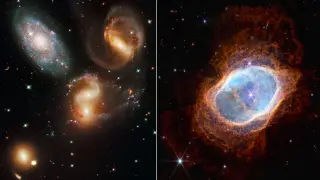
A recent review highlights seven pivotal images from Hubble and the James Webb Space Telescope (JWST), demonstrating how different wavelengths reveal distinct aspects of the universe. Key examples include the Pillars of Creation, where Webb’s infrared view penetrates dust to show hidden stars, and the Hubble Ultra Deep Field, which captured nearly 10,000 galaxies in a tiny patch of sky. Other notable images include Webb’s first deep field of galaxy cluster SMACS 0723, the Cosmic Cliffs in the Carina Nebula, the Southern Ring Nebula, Stephan’s Quintet, and the Crab Nebula. These images serve not just as visual spectacles but as scientific datasets that map star formation, dying stars, and galaxy interactions across billions of years of cosmic history.
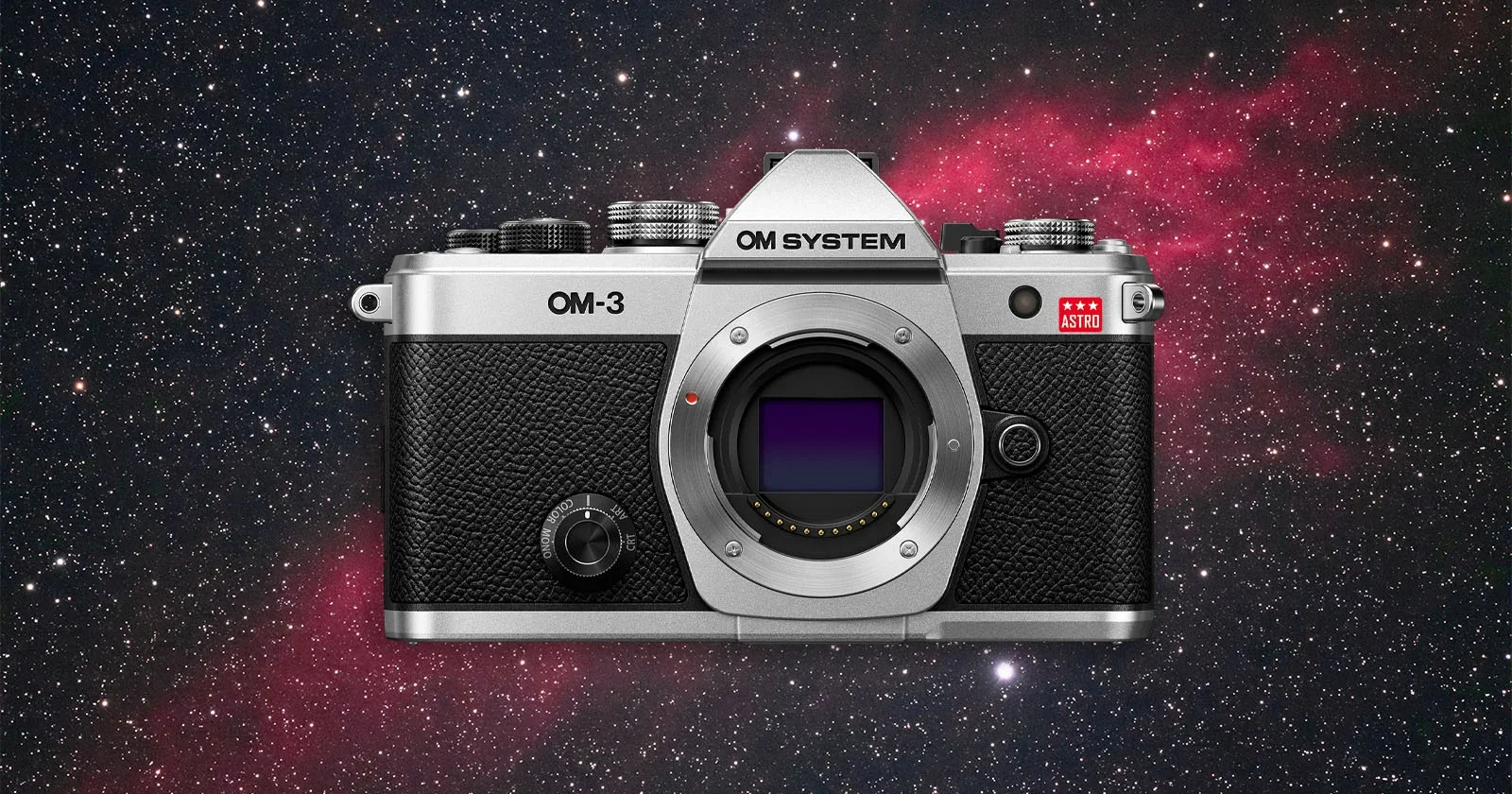
OM System unveils the OM-3 Astro, a nebula-focused variant of the OM-3 with an adjusted IR-cut filter that enables 100% transmission of Hα light for vivid nebulae, plus COLOR1/COLOR2 profiles tailored for astro and starry landscape work. It adds Starry Sky AF, Live Composite for in-camera light painting, Night Vision UI, and a 50MP in-camera High-Res composite created from 12 shots (usable on tripod/equatorial mounts). Two new body-mount filters—BMF-LPC01 light-pollution suppressor and BMF-SE01 soft filter—will work with OM-3 Astro and multiple OM bodies. Pricing is US $2,499.99 and CAD $2,999.99, with filters at US $339.99 and CAD $279.99, shipping in March (filters launching next month).
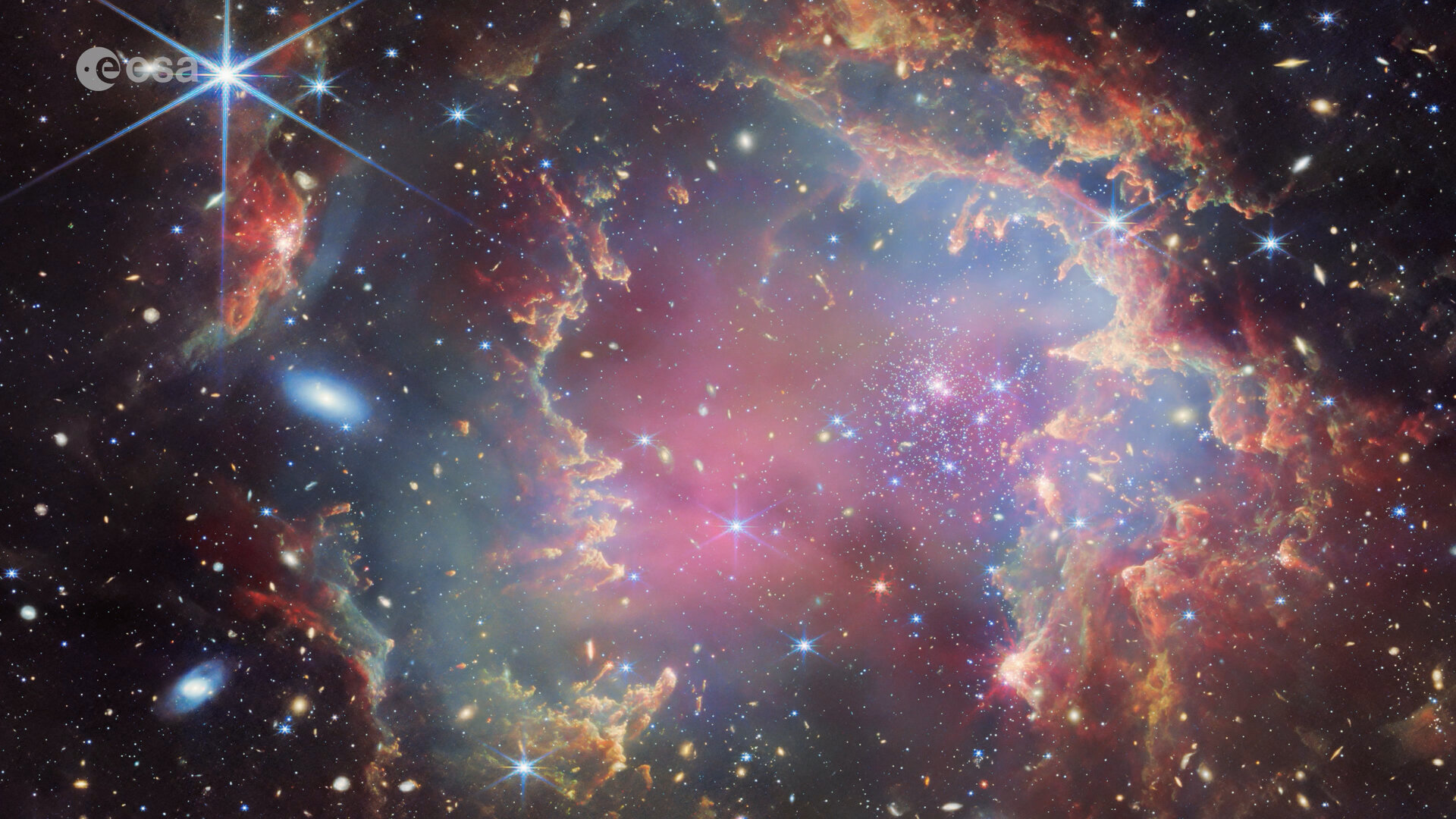
On the fourth anniversary of the James Webb Space Telescope, ESA released a compilation of stunning cosmic views, showcasing its exploration of nebulae, star nurseries, and distant galaxies, highlighting its ongoing mission to explore the universe.
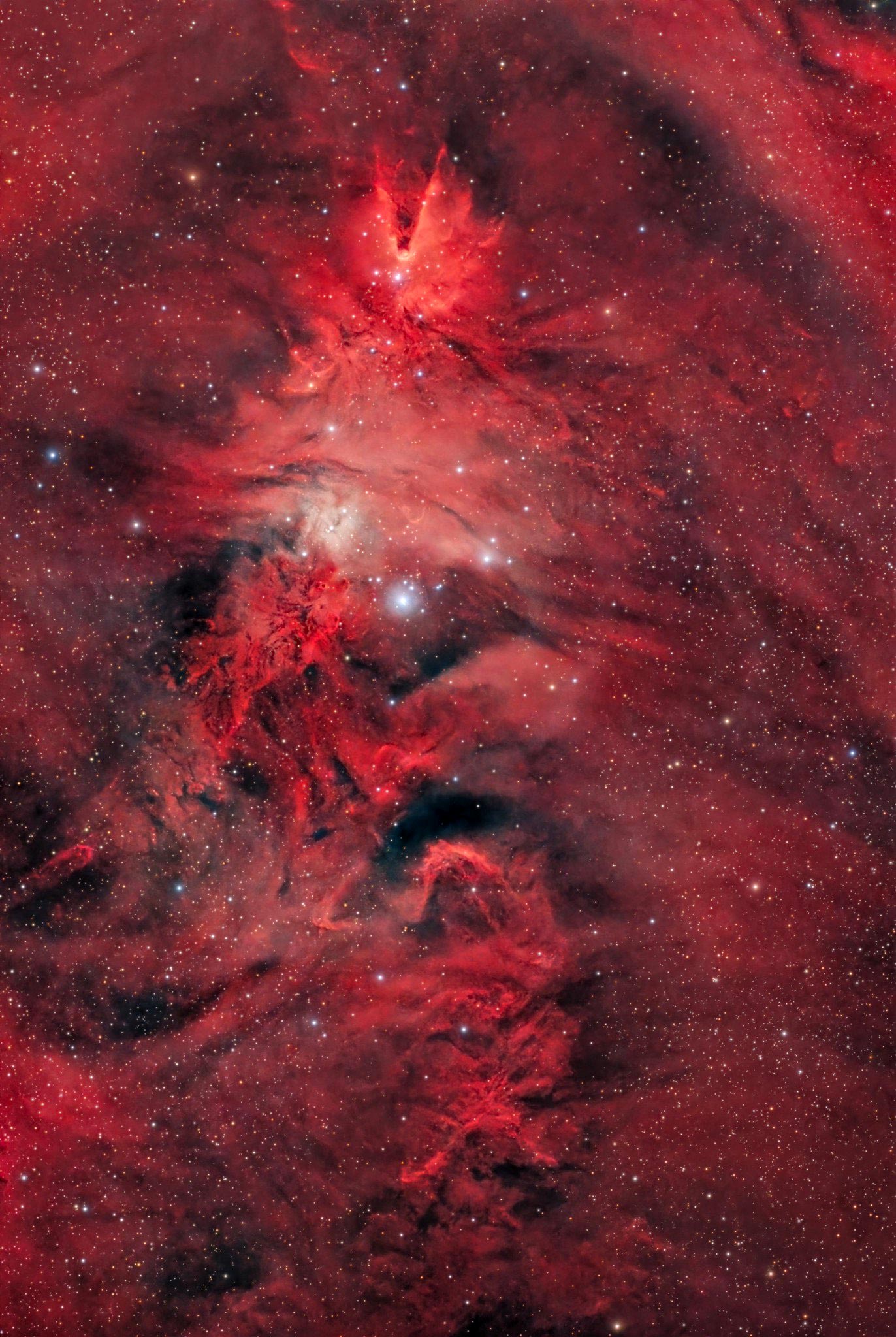
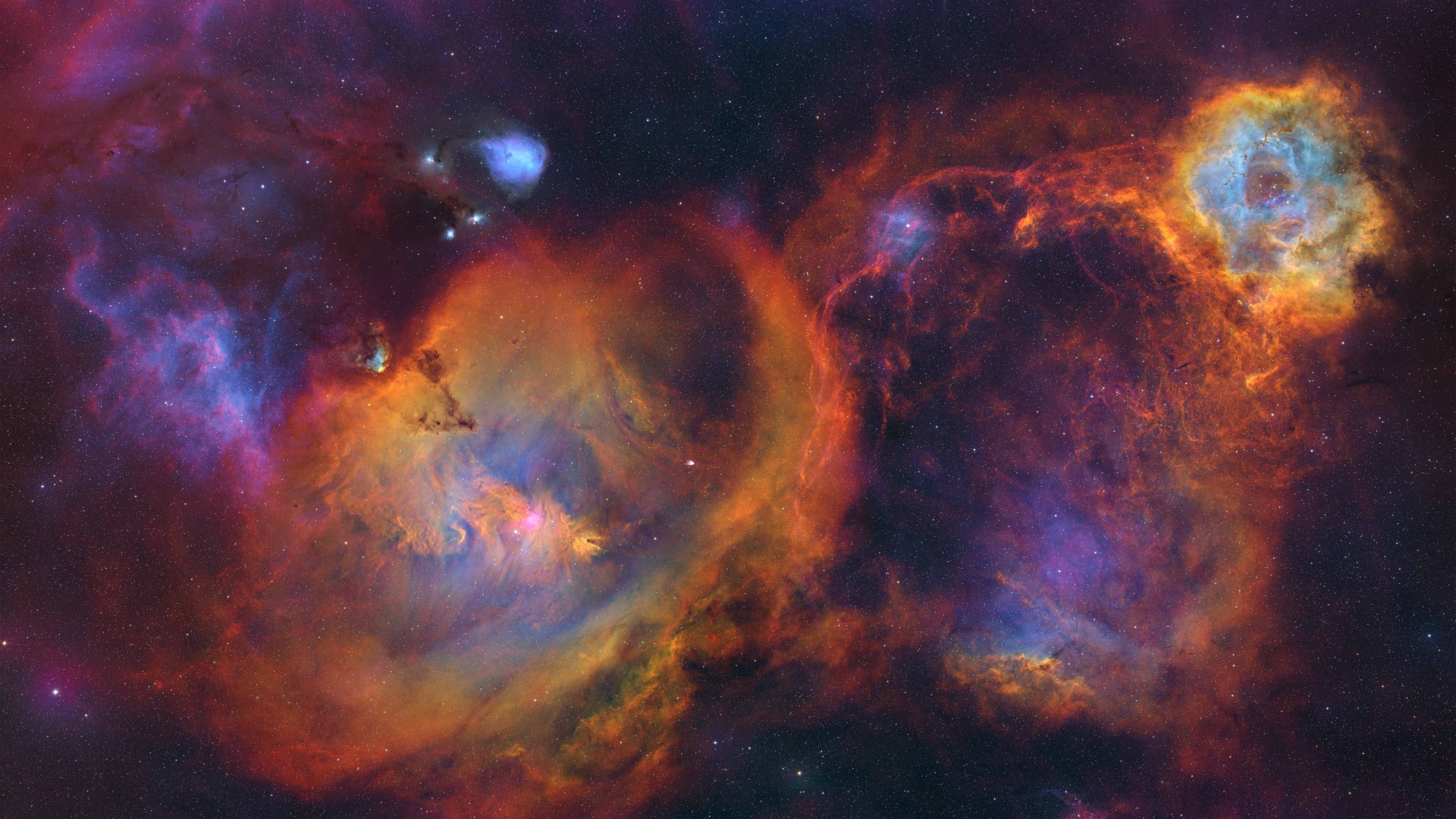
A star-forming region called NGC 2264, located 2,700 light-years away in Monoceros, resembles a Christmas tree with glowing clouds, young stars, and nebulae, creating a festive cosmic display nearly 80 light-years across.
To celebrate the 35th anniversary of the Hubble Space Telescope, a gallery of its most iconic images is showcased, highlighting its contributions to astronomy, including detailed views of galaxies, nebulae, and cosmic phenomena, as well as its technological evolution and discoveries over the decades.
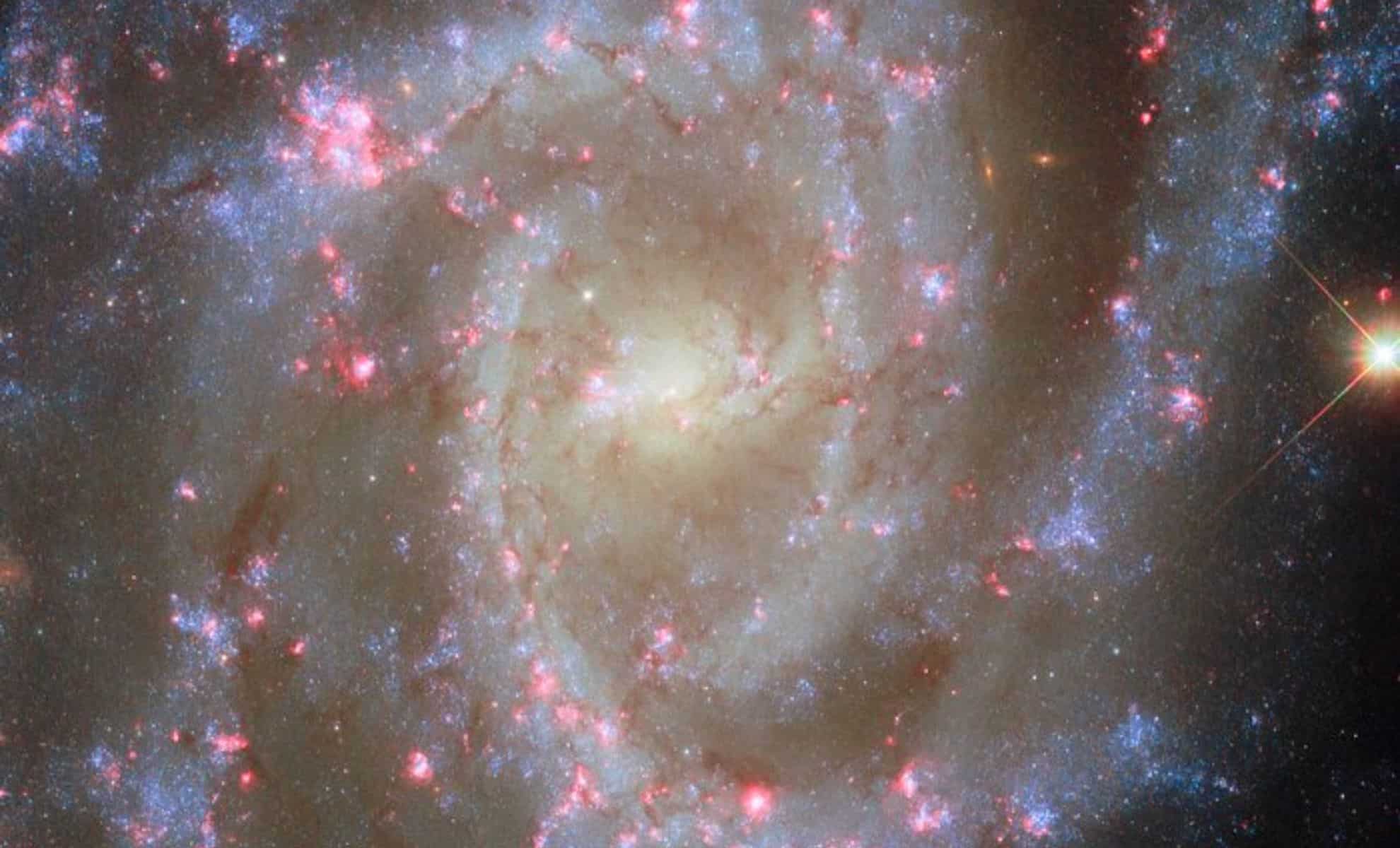
NASA and ESA's Hubble Space Telescope released a new image of the spiral galaxy NGC 2835, revealing detailed pink nebulae in its arms through H-alpha light, which highlights regions of active star formation and stellar evolution, providing valuable insights into the lifecycle of stars and galaxy dynamics.
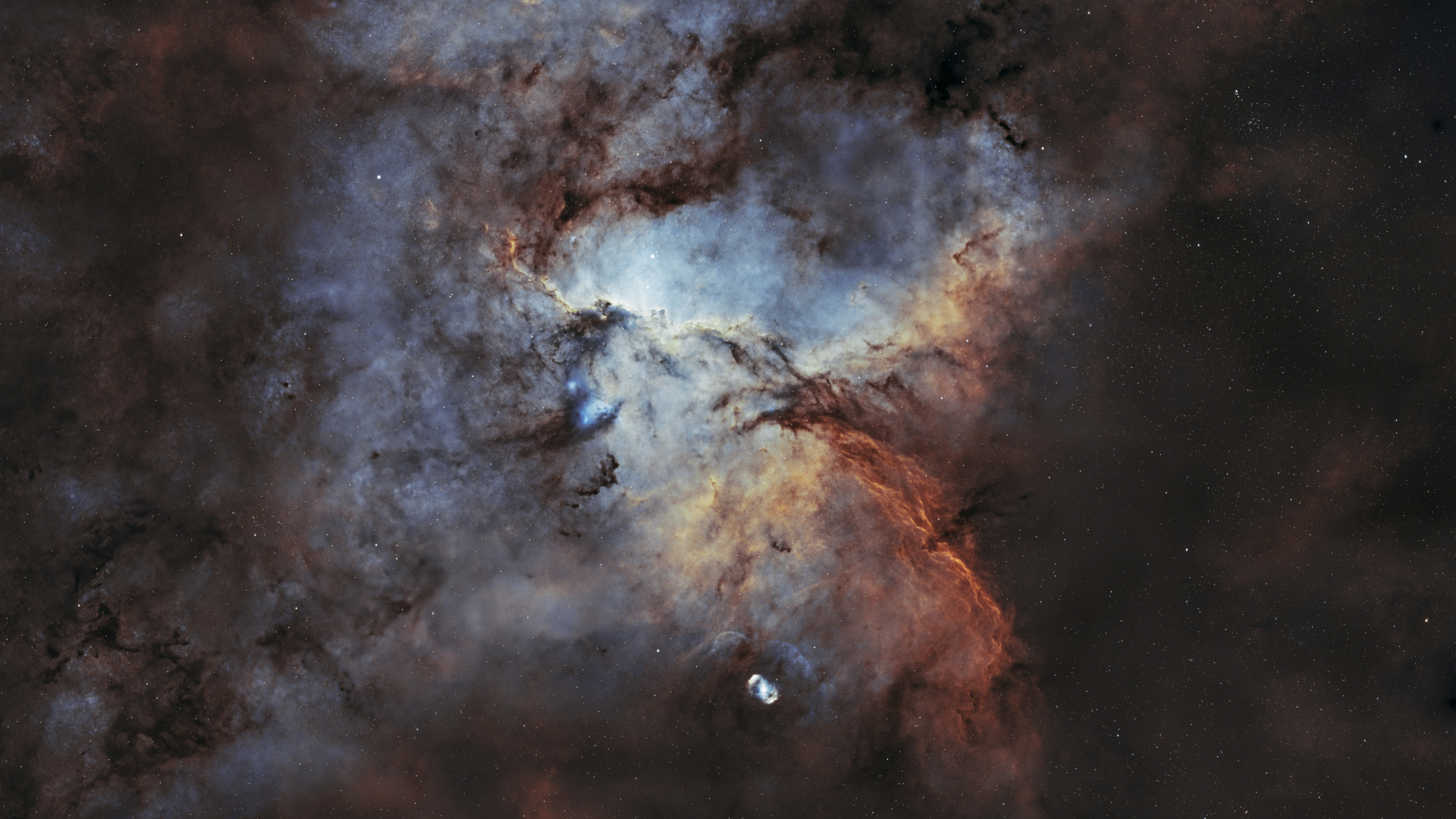
Amateur astrophotographer Tim Henderson captured stunning images of three nebulae—the Carina Nebula, NGC 6188, and Sh2-1—from the dark skies of the Central Australian Desert, utilizing high-end equipment and long exposures, revealing intricate structures and star-forming regions in the Milky Way.
The 2025 ZWO Astronomy Photographer of the Year Awards shortlist has been announced, showcasing stunning astrophotography from around the world, including images of auroras, galaxies, the Moon, the Sun, and space phenomena, with winners to be announced in September and exhibited in London.
The article highlights the shortlisted entries for the Astronomy Photographer of the Year, showcasing stunning images of celestial phenomena such as nebulae, solar prominences, and a total solar eclipse, with the overall winner to be announced in September.
The Vera Rubin Observatory in Chile has released its first images, showcasing detailed views of nebulas, galaxy clusters, and thousands of asteroids, highlighting its potential to revolutionize astronomy by providing comprehensive, high-resolution sky surveys over the next decade to study dark energy, dark matter, and near-Earth objects.
Scientists unveiled the first images from the Vera Rubin Observatory's massive 3,200-megapixel camera, showcasing detailed photos of nebulae and millions of galaxies, marking a significant advancement in astronomical observation and promising to deepen our understanding of the universe over the next decade.
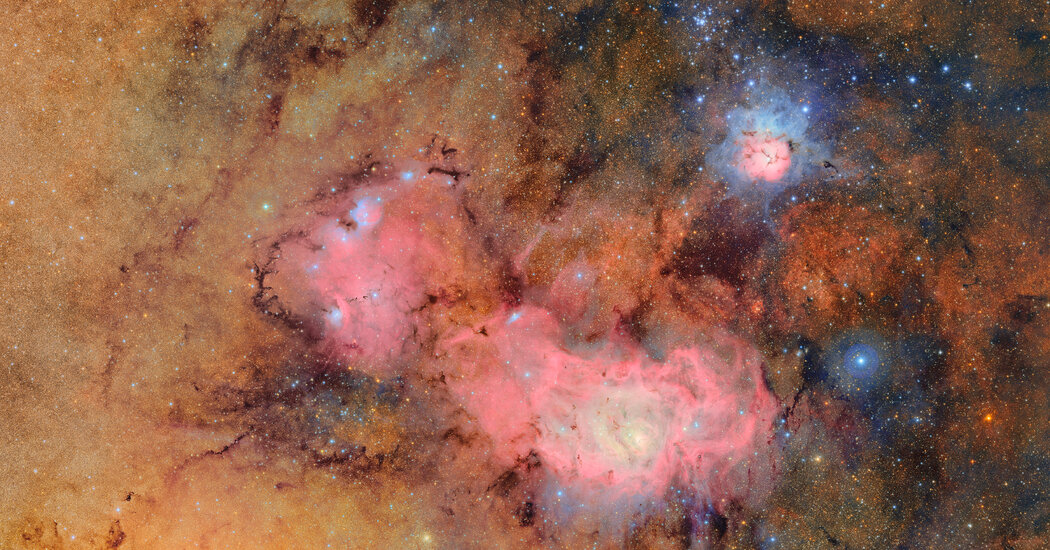
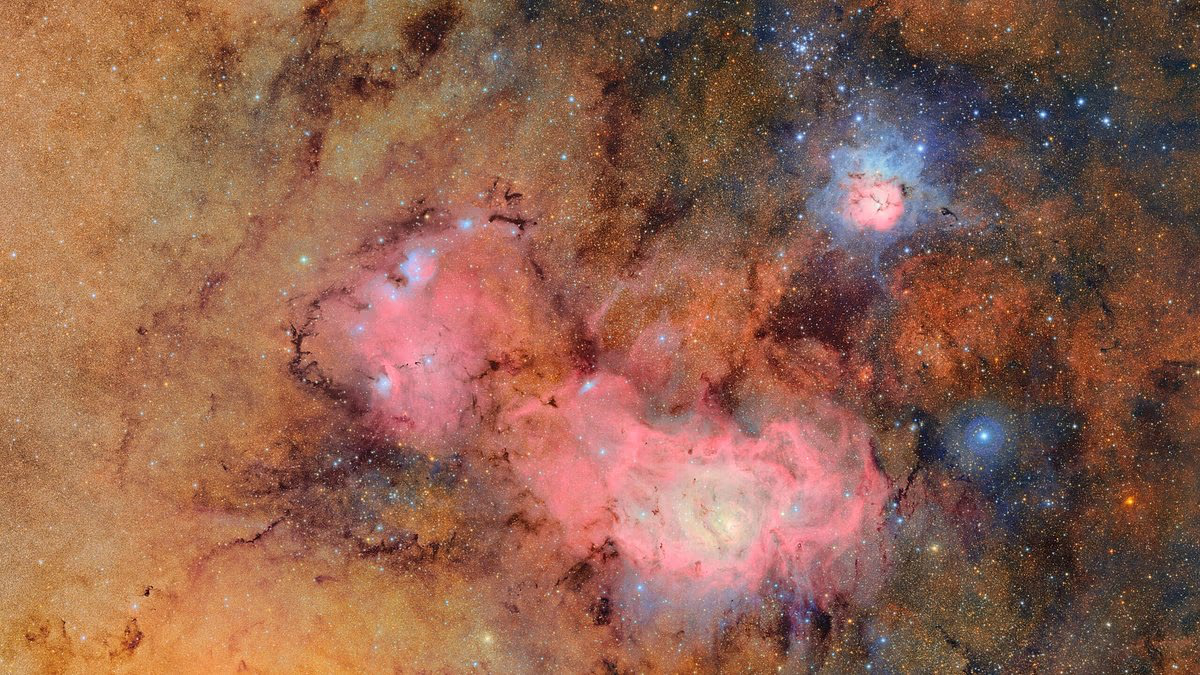
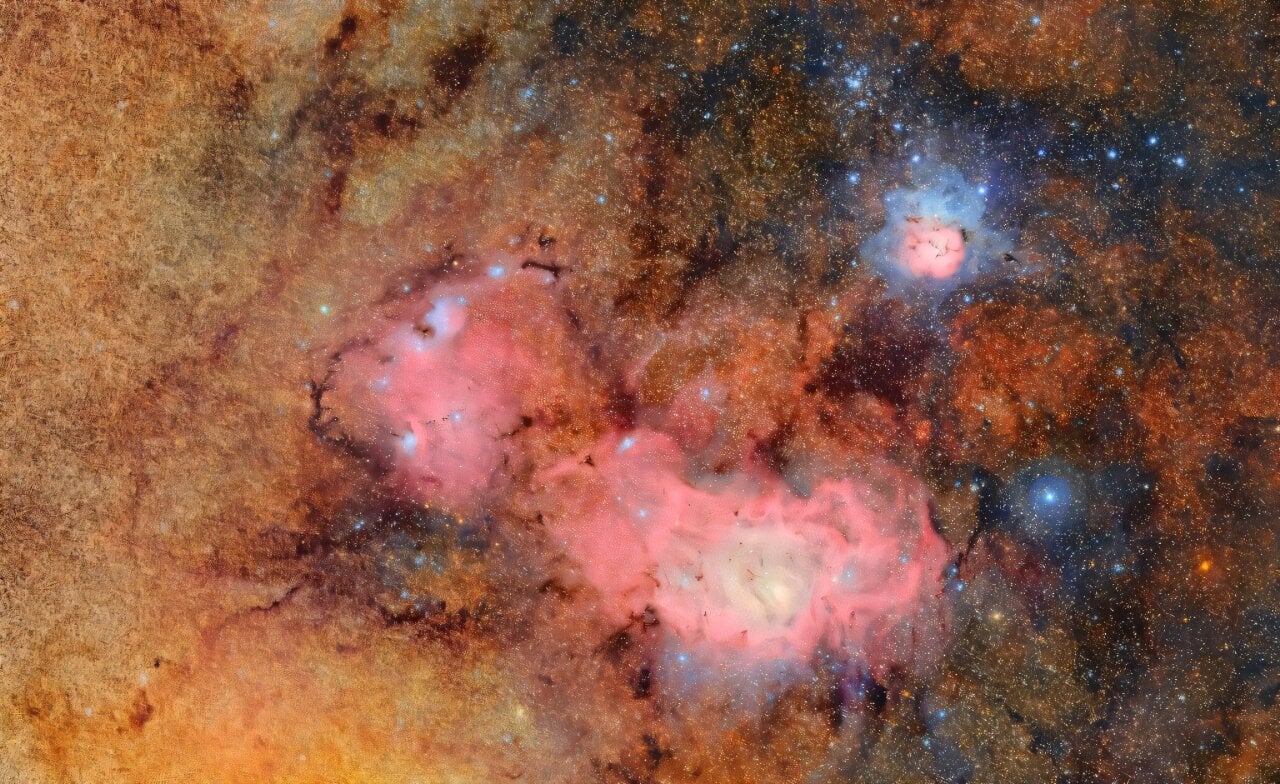
The Vera Rubin Observatory in Chile has released its first images, showcasing detailed views of star-forming regions like the Trifid and Lagoon Nebulae, as well as distant galaxies, marking a significant advancement in astronomical observation and research into dark matter and dark energy.
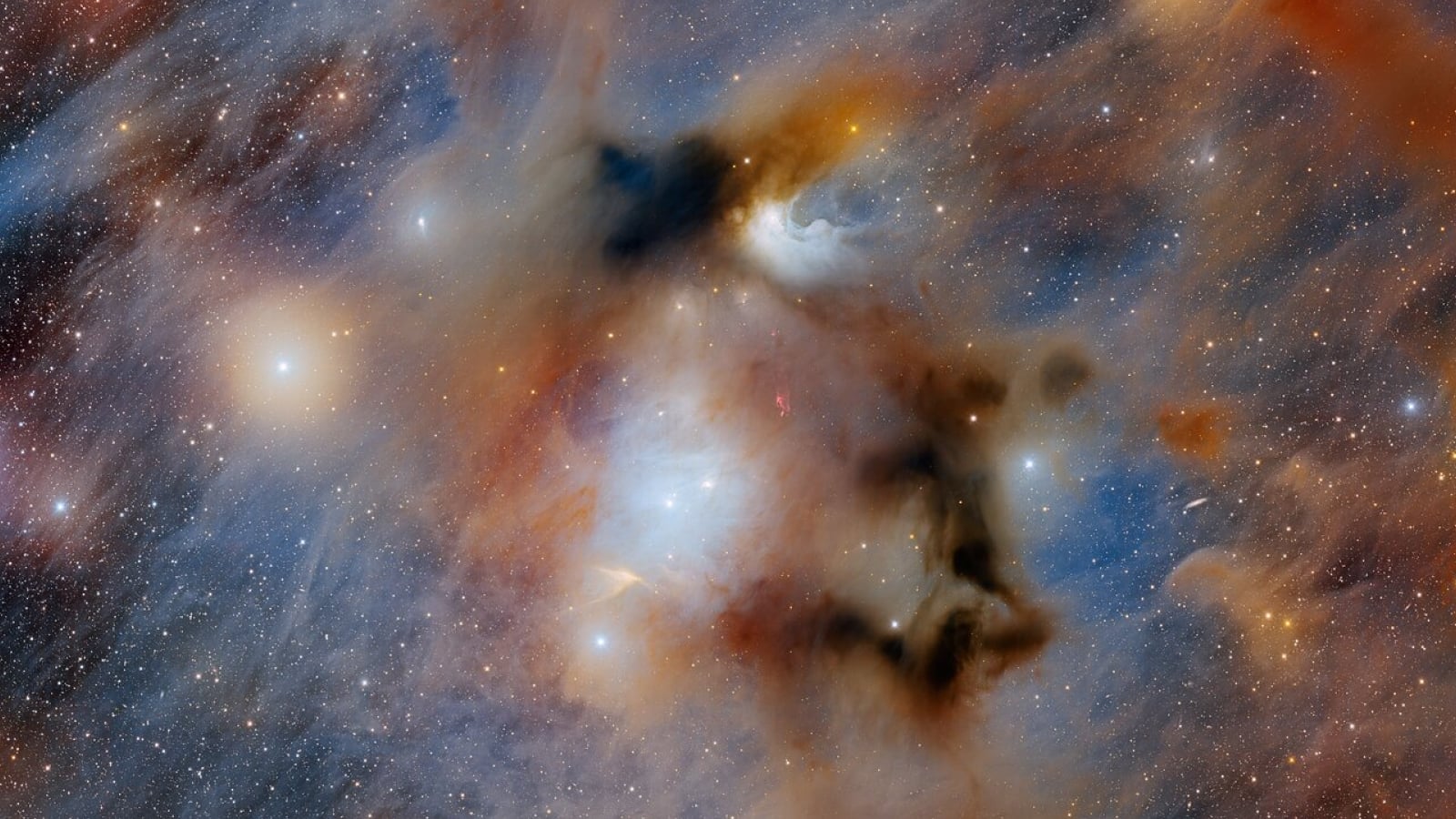
A detailed new image of the Chamaeleon I dark cloud, the nearest star-forming region to Earth, reveals the intricate structure of stellar nurseries and the presence of Herbig-Haro objects, highlighting the ongoing process of star formation within this 2-billion-year-old nebula complex, captured by the Dark Energy Camera in Chile.