
Unveiling Ancient Galaxies: JWST's Surprising Observations
TL;DR Summary
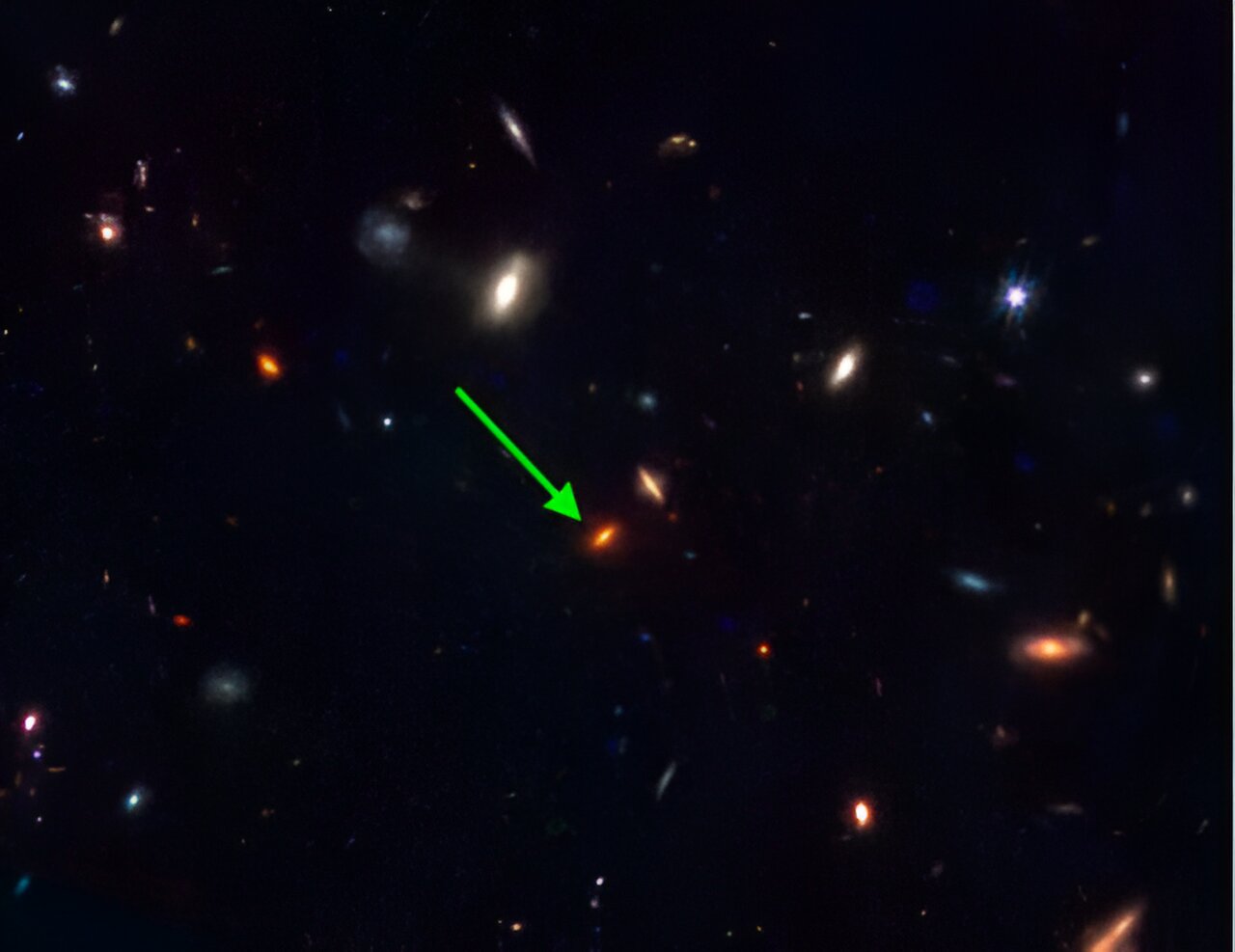
New observations from the James Webb Space Telescope (JWST) have revealed a massive galaxy that formed its stars around 13 billion years ago, challenging current understanding of galaxy formation and the nature of dark matter. This discovery, led by a team of international researchers, presents a significant challenge to existing theoretical models and raises questions about the mechanisms that lead to the rapid formation of such massive galaxies in the early universe. The findings, published in Nature, could potentially revolutionize our understanding of the physics of dark matter and the formation of galaxies.
- 'Beyond what's possible': New JWST observations unearth mysterious ancient galaxy Phys.org
- James Webb Space Telescope tracks a galaxy's history back to just after the Big Bang Space.com
- Physics - JWST Sees More Galaxies than Expected Physics
- JWST Reveals a Surprise Twist in Black Hole And Galaxy Formation ScienceAlert
- Discovery of unexpected ultramassive galaxies may not rewrite cosmology, but still leaves questions Phys.org
Reading Insights
Total Reads
0
Unique Readers
11
Time Saved
3 min
vs 4 min read
Condensed
88%
780 → 93 words
Want the full story? Read the original article
Read on Phys.org