
Hearst Ranch’s 2005 Conservation Deal Secures 80,000 Acres and a Massive Elephant Seal Rookery
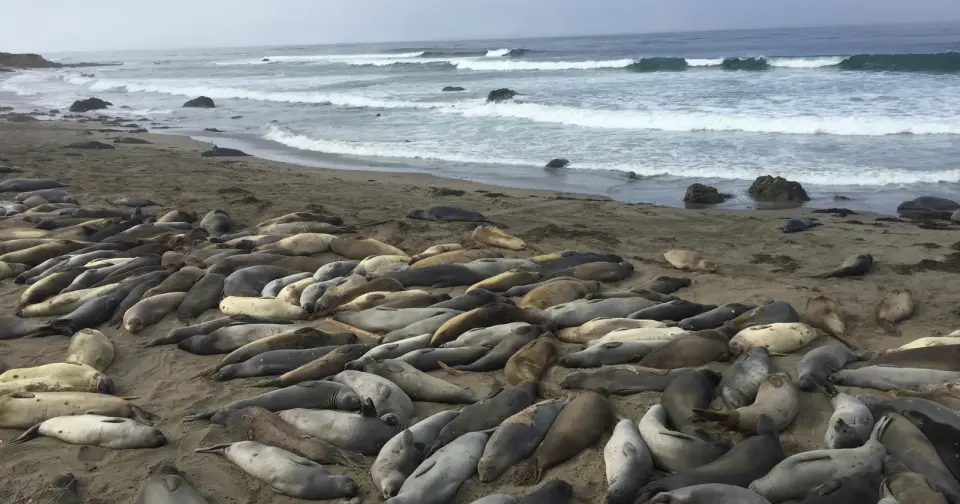
The Hearst family abandoned decades-long plans to build a resort town on 80,000 acres of California coastline in favor of a historic conservation easement. This decision preserved the land from development, allowing a massive elephant seal colony to establish itself on the beaches below the famous castle.
Key points
- In 2005, the Hearst Corporation, American Land Conservancy, and California Rangeland Trust finalized a $95 million deal to protect the 128-square-mile Piedra Blanca Rancho.
- The agreement included the largest conservation easement in California history, permanently restricting development on 80,000 acres of ranchland while allowing cattle operations to continue.
- The coastal strip west of Highway 1 was transferred to the state for public access, securing 18 miles of shoreline for the California Coastal Trail.
- Elephant seals began colonizing the undeveloped beaches in 1990, prior to the easement, and now form one of the largest rookeries on the Pacific coast.
- The property, which includes La Cuesta Encantada, attracts 750,000 visitors annually and supports over 1,000 plant and animal species, including wild zebras.
Background
The Hearst Ranch, assembled by George Hearst starting in 1865, has long been a focal point for conservation debates on the Central Coast. While earlier archive entries highlight recent wildfire threats and coastal erosion in California, the 2005 easement represents a long-term structural protection for this specific 18-mile stretch of Highway 1. The decision to forgo development in favor of preservation stands in contrast to the region's history of environmental challenges, such as the recent Timber Fire and bluff collapses, by ensuring the land remains undeveloped and accessible for both wildlife and public recreation.
Why it matters
This case illustrates how private land ownership can be leveraged for permanent environmental protection. By choosing a conservation easement over a lucrative resort development, the Hearst family created a lasting habitat for endangered species and preserved a significant portion of the California coast from urbanization. The success of the elephant seal colony demonstrates that preserving undeveloped spaces can yield substantial ecological benefits that outweigh short-term economic gains from construction.
What to watch
The conservation easement is permanent, ensuring the land remains protected from subdivision indefinitely. The cattle operation will continue, and the public access to the coastal trail and castle will likely expand as tourism grows. The elephant seal population is expected to remain stable or grow, continuing to use the protected beaches for breeding and molting.
Want the full story? Read the original reporting
Read on Space Daily