
New PNAS Study Links End-Permian Extinction Mechanism to Modern Ocean Warming and Oxygen Loss
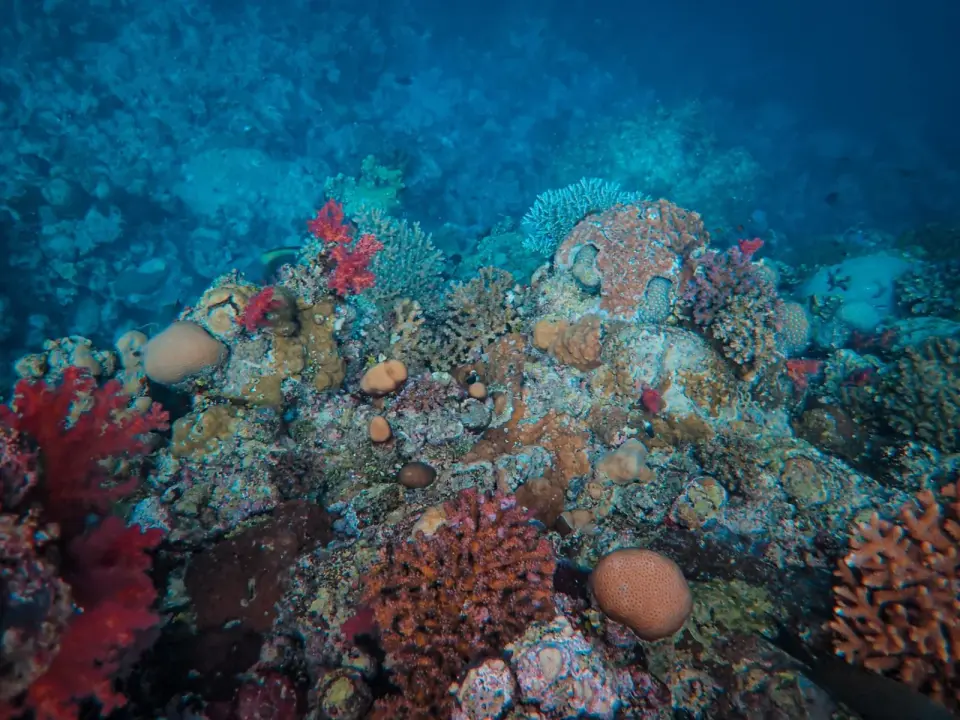
A 2026 study in the Proceedings of the National Academy of Sciences confirms that the end-Permian mass extinction was driven by 'temperature-dependent hypoxia,' where warming oceans reduced oxygen supply while increasing animal metabolic demand. Researchers led by J. Andres Marquez used lab respirometry and trait-based models to show that slow-metabolizing Paleozoic fauna, such as brachiopods, lost viable habitat and died out, while faster-metabolizing groups like bivalves survived. Although modern oceans are currently warming and losing oxygen, the study emphasizes that current conditions are not a direct forecast of the ancient catastrophe, as the scale and drivers differ significantly.
Key points
- The 2026 PNAS study provides physiological evidence that warming and oxygen loss worked together to cause the end-Permian extinction 252 million years ago.
- Researchers measured oxygen use in living marine species to model how rising temperatures would have reduced aerobic habitat for slow-metabolizing animals.
- Paleozoic fauna like brachiopods and crinoids suffered high extinction rates because their low metabolic rates became liabilities as water temperatures rose.
- Modern oceans are experiencing measurable deoxygenation and warming, but the current oxygen decline is far smaller than the losses seen in the ancient event.
- The study does not predict an imminent mass extinction but highlights that the same physiological mechanisms are currently active in modern marine ecosystems.
Background
This development follows earlier coverage in July 2026, which reported on the same Stanford-led research linking metabolism to survival during the Permian-Triassic extinction. Previous reports noted that rapid warming and falling oxygen favored metabolically active animals like mollusks over slow-metabolizing groups. Additionally, earlier warnings from UC San Diego’s Scripps Institution of Oceanography highlighted that global ocean deoxygenation is a critical planetary boundary issue, driven by warming, nutrient pollution, and algal blooms, with recovery potentially taking centuries without coordinated emissions cuts.
Why it matters
The study clarifies why specific groups of marine life vanished during Earth's most severe mass extinction, providing a mechanistic explanation for the selectivity of the event. It underscores that while modern ocean changes are not equivalent to the end-Permian catastrophe, the underlying physiological constraints remain. Understanding these limits helps assess the vulnerability of current marine species to ongoing climate change, emphasizing that risk depends on temperature, species physiology, and local circulation rather than average oxygen concentration alone.
What to watch
Researchers need more measurements across diverse species, life stages, and regions to identify which modern communities have the narrowest safety margins. Future studies must also examine interacting stresses, such as acidification, marine heatwaves, and pollution, to determine if their combined effects are stronger than any single stressor. Continued monitoring of ocean oxygen levels and warming trends will be essential to track whether current trajectories approach critical physiological thresholds for marine life.
Want the full story? Read the original reporting
Read on Space Daily