climate-science99 min read
Tibetan Heat Spikes Linked to Record California Floods in New Study
2 months ago•Source: Live Science
View original source
The latest climate science stories, each synthesized from multiple sources with added background and context.
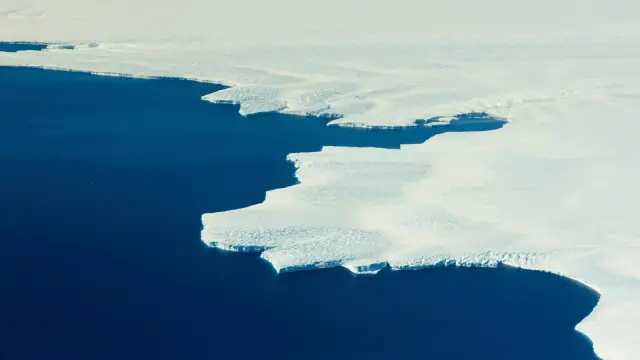
A study in Nature reveals that sustained warming in the tropical warm pool from 2021 to 2023 caused a record 695 billion-ton ice gain in East Antarctica. This temporary surge, driven by atmospheric Rossby waves and increased snowfall, contrasts with the continent's long-term loss of 140.5 billion tons annually. While significant, this event does not reverse the overall decline of the Antarctic Ice Sheet, which remains vulnerable to melting in West Antarctica and parts of East Antarctica.
Gizmodo•3 months ago
Gizmodo•3 months ago

Researchers from the Potsdam Institute for Climate Impact Report (PIK) have identified a statistically significant acceleration in global warming since 2015. After filtering out natural variables like El Niño and solar cycles, data shows the warming rate has increased to approximately 0.35°C per decade, nearly double the 0.2°C per decade average seen from 1970 to 2015. This trend is consistent across five major global datasets with over 98% statistical certainty.
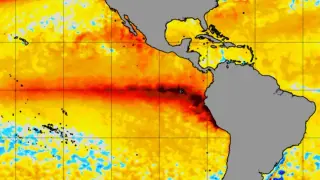
Climate scientist Zeke Hausfather reports that current forecast models predict the 2026 El Niño event will surpass the 2015-2016 record by a significant margin. Tropical Pacific sea surface temperatures are projected to rise 3.6 degrees Celsius above average, exceeding the previous peak by 0.8 degrees Celsius. This unprecedented strength could drive global average temperatures to 1.7 degrees Celsius above pre-industrial levels in 2027, potentially breaching Paris Agreement thresholds. Economists estimate this event could cause $10 trillion in losses by 2032 due to intensified extreme weather, though experts caution that models have never verified such extreme anomalies before.
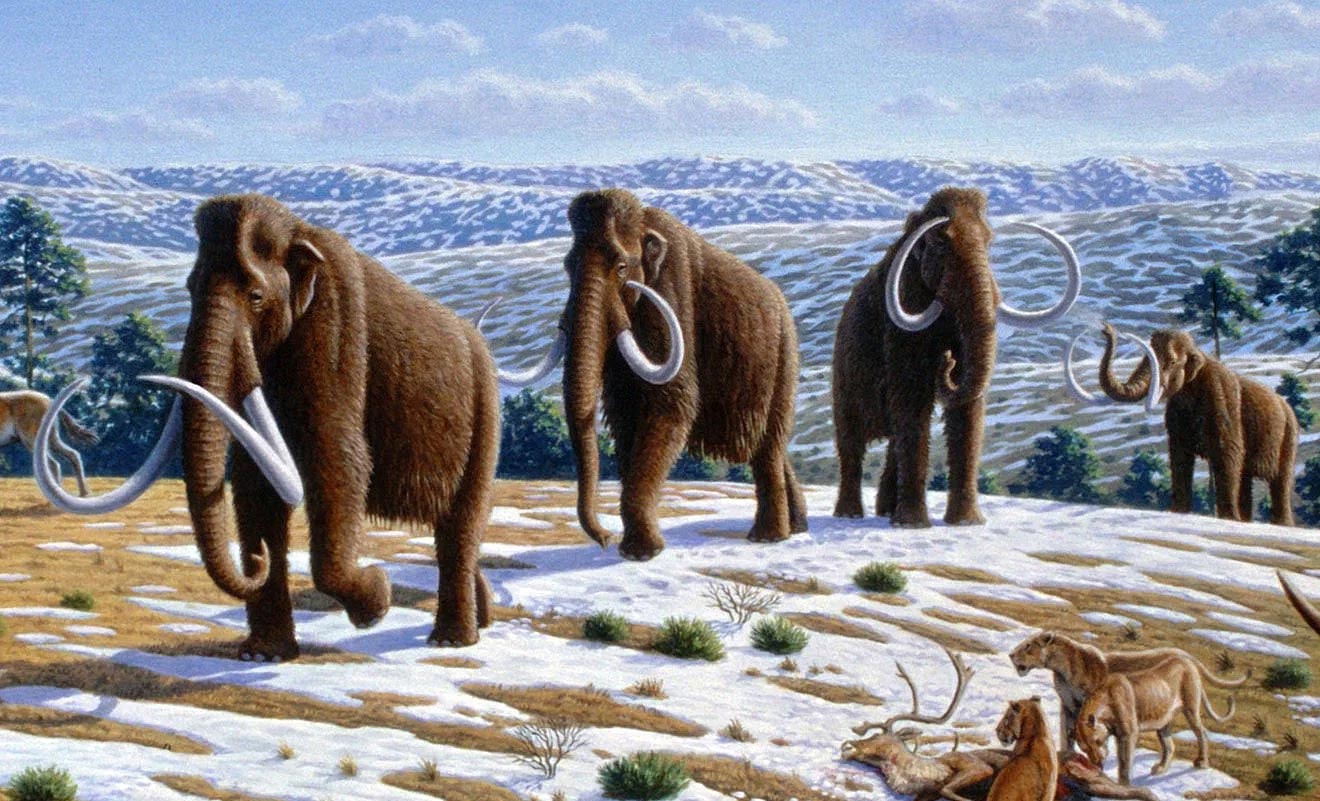
New research analyzing the last ice age suggests a decrease in the likelihood of the worst-case global warming scenarios, refining our understanding of climate sensitivity and predicting future warming under rising CO2. While the best-case and most likely warming estimates remain unchanged, the absolute worst-case scenario for doubling CO2 has been reduced from 5 to 4 degrees Celsius. By studying ancient climate conditions, researchers have narrowed the estimate of climate sensitivity, providing more confident predictions and indicating that the most extreme warming scenario is less likely.
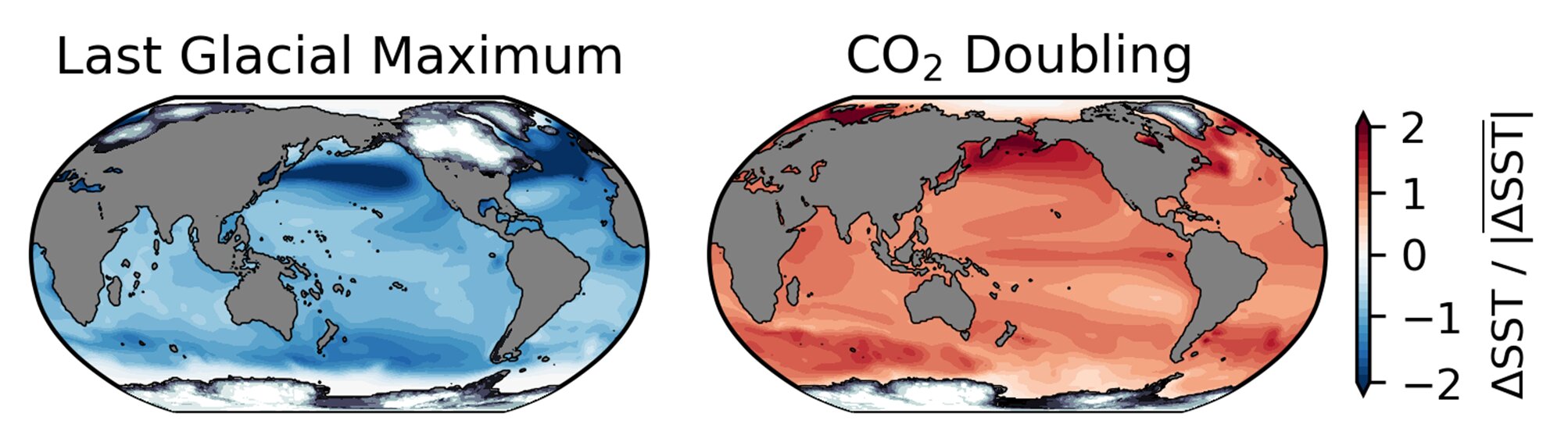
A new study led by the University of Washington analyzes the last ice age to better understand the relationship between CO2 and global temperature. The research suggests that the worst-case scenario for future warming due to doubling of CO2 is less likely, reducing the estimate from 5 to 4 degrees Celsius. By examining the cooling effects of the North American ice sheet during the last glacial maximum, the study indicates that CO2 played a smaller role in setting ice age temperatures than previously estimated. This research provides more confident predictions for future warming and emphasizes the limitations of using recent decades as a predictor of future global warming.

March 2023 marked the tenth consecutive month of record-breaking global temperatures, with a 1.68C increase from pre-industrial levels. Climate scientists are concerned about the possibility of accelerated warming, as the current trend exceeds the 1.5C benchmark set in the Paris climate agreement. While potential causes such as El Niño, volcanic eruptions, and solar activity have been considered, the core issue remains fossil fuel emissions. The scientific consensus overwhelmingly supports the need for rapid reductions in greenhouse gas emissions to mitigate further warming.
Dr. Shengping He and his team from the University of Bergen have discovered that the diminishing Arctic sea ice is reshaping global climate patterns, leading to colder winters in regions like East Asia. Their research highlights the significant role of dwindling Arctic sea ice in driving the ‘Warm Arctic, Cold Eurasia’ climate mode, and emphasizes the urgency of continued research to understand and address the impacts of climate change on our planet's changing climate.
New research on the Atlantic Meridional Overturning Circulation challenges the idea of straightforward early warning signals for climate disasters, revealing the climate system's complexity and unpredictability. The study emphasizes the need for an integrated approach to climate science and warns against relying on nature to provide clear indicators of climate disasters. The research shows that the stability of the system is more complex than previously assumed, with potential major impacts on regional and global climates. Predicting the behavior of the climate, particularly the Atlantic meridional overturning circulation, is challenging due to its incredible complexity, and the study paves the way for a new outlook on climate through statistical mechanics and complexity theory.
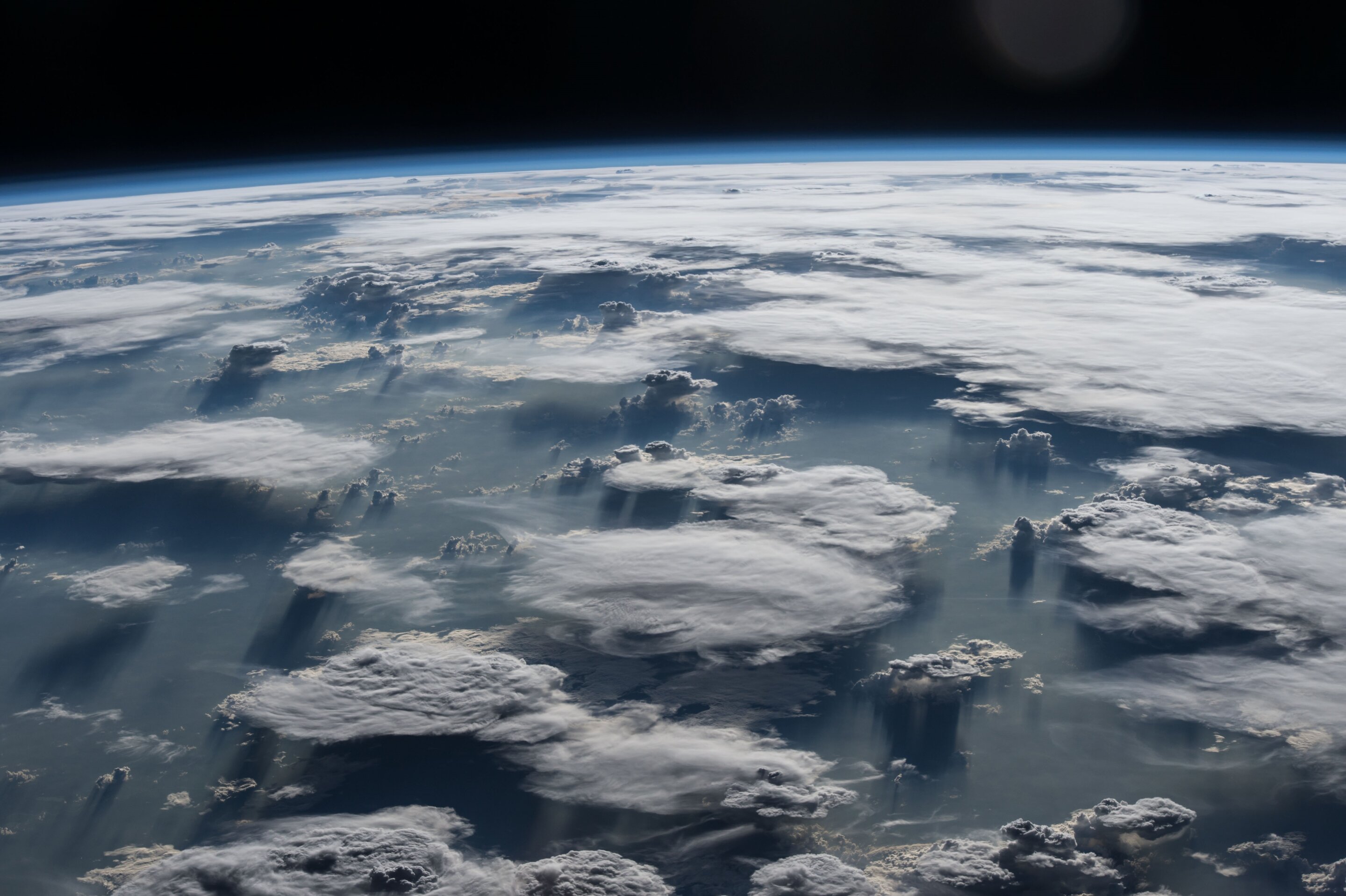
A new study by researchers from the University of Exeter and the Laboratoire de Météorologie Dynamique in Paris has used simple equations to reduce uncertainty about how changes in the surface area of anvil clouds will affect global warming. By creating a model that predicts the impact of these storm clouds on global warming and testing it against observations, the researchers confirmed its effectiveness and reduced uncertainty in climate predictions. The study suggests that changes in the area of anvil clouds have a weaker impact on global warming than previously thought, but emphasizes the need to further investigate how warming will affect the brightness of clouds.
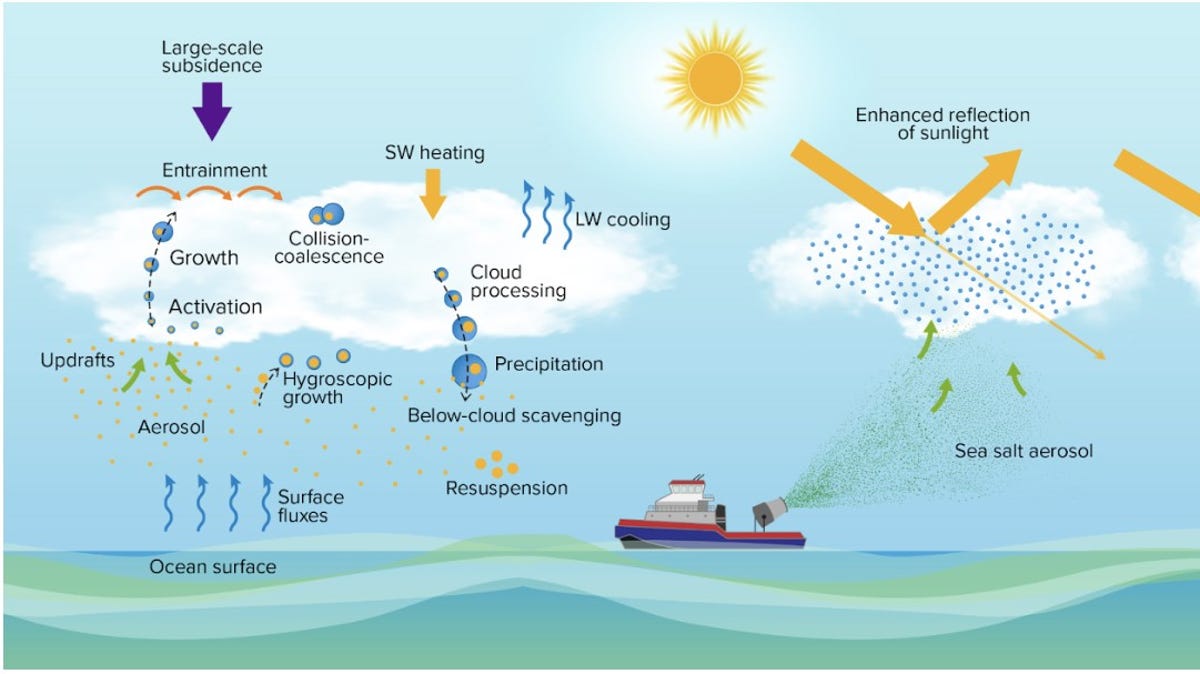
Scientists are considering the possibility of using a geoengineering technique called "marine cloud brightening" (MCB) to combat climate change by making clouds over the oceans thicker and brighter. This would involve a fleet of ships spraying seawater into the clouds to cool the atmosphere underneath. While the idea has been around for 30 years, a new study published in Science Advances lays out the viability of this technique and proposes a research program. However, challenges and potential side effects, such as changes in weather patterns, need to be addressed before considering widespread deployment.
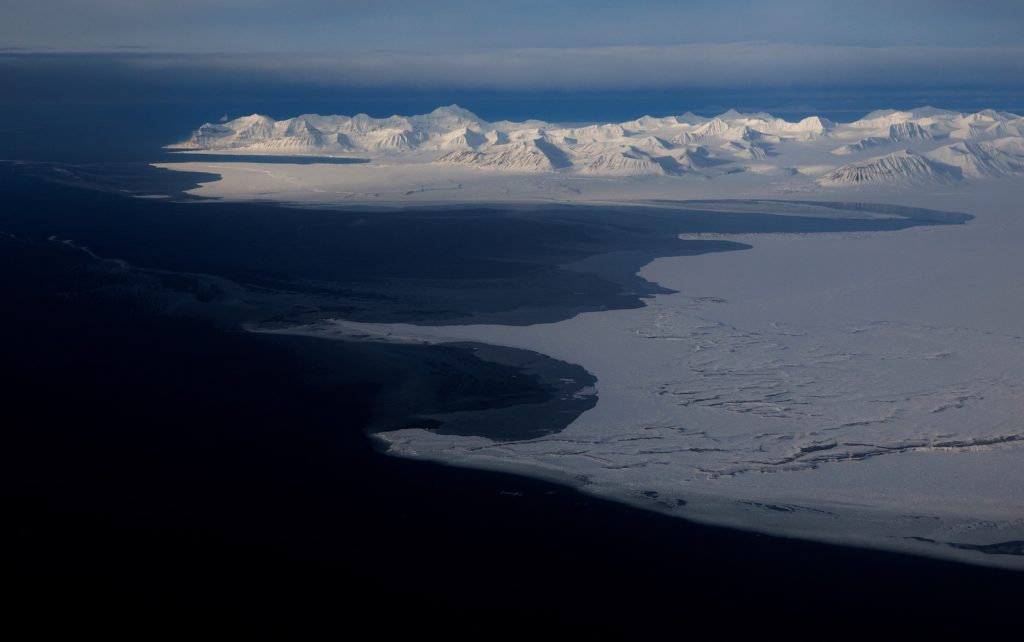
Climate researcher John Abraham discusses the unprecedented rise in ocean temperatures, attributing about half of the effect to global warming and a third to El Nino, with the remaining 20 percent being a question mark. He emphasizes the significant impact of ocean warming on global weather patterns and society, urging conservation of energy and the maximization of clean, renewable energy development as immediate actions to change the current trajectory.