New PNAS Study Links End-Permian Extinction Mechanism to Modern Ocean Warming and Oxygen Loss
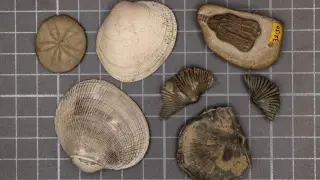
A 2026 study in the Proceedings of the National Academy of Sciences confirms that the end-Permian mass extinction was driven by 'temperature-dependent hypoxia,' where warming oceans reduced oxygen supply while increasing animal metabolic demand. Researchers led by J. Andres Marquez used lab respirometry and trait-based models to show that slow-metabolizing Paleozoic fauna, such as brachiopods, lost viable habitat and died out, while faster-metabolizing groups like bivalves survived. Although modern oceans are currently warming and losing oxygen, the study emphasizes that current conditions are not a direct forecast of the ancient catastrophe, as the scale and drivers differ significantly.